


How Public Health Policies Can Reduce Lung Cancer Rates in India
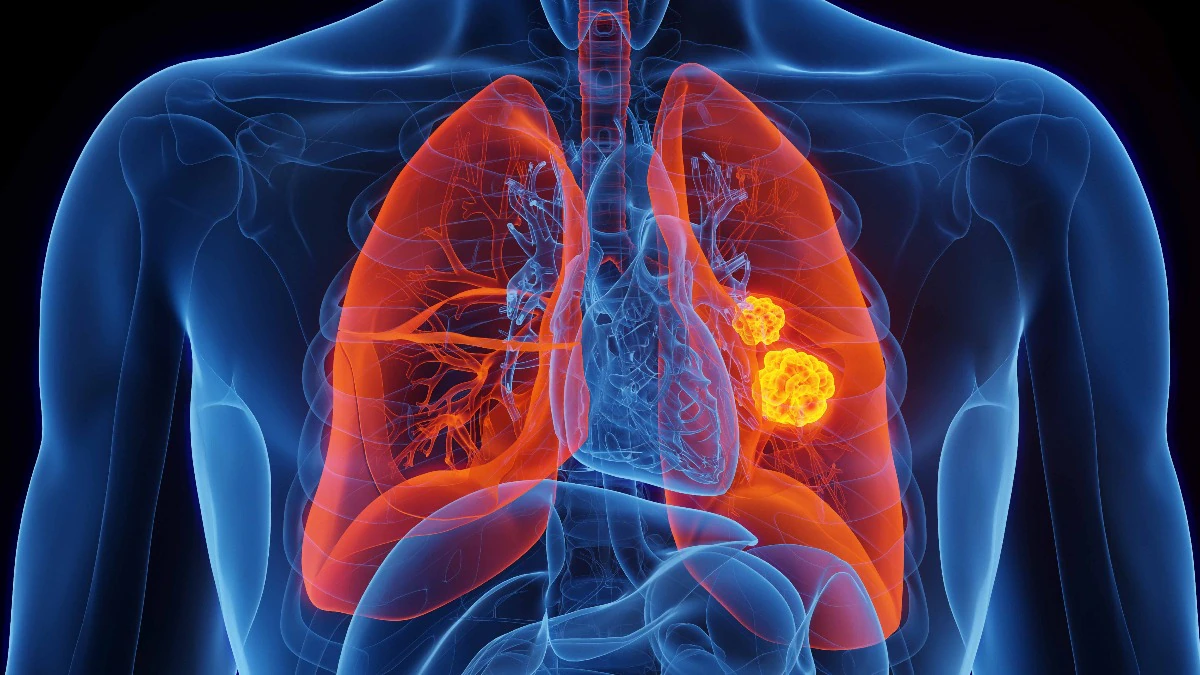
In bustling streets from Delhi to small villages in Bihar, lung cancer touches more lives each year, but thoughtful rules from the government could turn the tide. Drawing from fresh 2025 reports, cases might hit over 81,000 in men and 30,000 in women soon, up from lower numbers a decade back. It's not just statistic families facing tough days because of smoke from cigarettes or dirty air. Let's explore how smarter policies, like cleaner skies and less tobacco use, might ease this burden, even peeking at the tiny cell changes that start it all, explained like a backyard chat.
What do the latest numbers tell us about lung cancer in India?
Across the country, lung troubles make up about 6% of all cancers and 8% of deaths from them, with cities seeing more due to crowds and fumes. The most recent estimates indicate a gradual increase from approximately 64,000 in a decade ago to estimates of approximately 112,000 total, which have struck people in their productive working ages. Spots such as the Northeast are somewhat higher with the Southern areas slightly trailing behind. These shifts come from habits like chewing tobacco or breathing factory smoke, but the good news is policies can nudge them down, much like how past efforts cut other health woes.
What is the answer to the question of how rules on tobacco can make any difference?
Imagine tobacco as a visitor which stays too long. The governmental interventions such as increasing the price of cigarettes and bidis by 70 percent may prompt people to think before smoking. These increases, which are supported by new plans in India where many people start young, could save lungs in the long run. Warnings on packs and bans in public spots already help, but stronger checks in rural markets could reach more. It is a matter of making healthy decisions easier, reducing the stream of bad things that ignite internal destruction.
Why bother about the air that we breathe?
As India drives along with the National Clean Air Programme with the goal of 20-30% reduction of fine dust by the end of 2025, urban centers suffocating with vehicle emissions and factory smog might have an easier breath. This is the dust, tiny particles that fly around, get into the lungs and cause trouble in the depths of the lungs. Rules for better fuels or more trees in urban spots aren't just green dreams; they tie straight to fewer sick days. In places like Punjab with crop burning or Mumbai's traffic jams, these efforts could slow the rise in cases, giving bodies a fighting chance against unseen invaders.
What's the story at the cell level when bad air or smoke hits?
The cells are busy guards in the deep part of the lungs that ensure that things are clean but tobacco smoke and pollution knock them off. Smoke brings with it harsh chemicals such as PAHs short polycyclic aromatic hydrocarbon, which resembles sticky tar bits that stick on the cell DNA, the blueprint to growth and put it together in a form of errors. This initiates oxidative stress, whereby unstable particles known as free radicals are poking holes in cell walls and disrupting cell signals such as NF-KB, a switch that intensifies swelling. It takes years before the cells die when they are supposed to undergo an apoptotic process but instead, they proliferate wildly resulting in clumps. Pollution adds in, with fine particles triggering KRAS gene changes, common in Indian cases, where cells with EGFR tweaks a protein on the surface that controls division haywire, resisting fixes. It's a slow build: immune helpers get confused, releasing messengers that fuel more growth, turning healthy tissue into a battleground. Policies cutting these exposures give cells time to repair, breaking the cycle before it spins out of control.
How might early checks and learning programs fit in?
Rolling out simple lung checks in high-risk spots, like for factory workers or smokers, could spot issues before they grow big. India's national cancer program pushes for this, blending it with village health days where folks learn about risks without fancy words. Teaching in schools about clean habits plants seeds early, while mobile clinics in far-off areas make help reachable. These aren't quick fixes but steady steps, weaving community know-how with rules to lighten the load.
Can teaming up across borders or groups speed things up?
Looking beyond, sharing ideas with neighbors on smoke-free zones or joint air watches could amplify wins. Groups pushing for better laws, like in 2025's global lung health talks, remind us India's story links to wider ones. In the end, these policies aren't distant dreams, they're practical paths, helping cells stay calm and folks stay well, one breath at a time. To get to know more information about cancer awareness over the internet, visit, www.punarjanayurveda.com.
REFERENCE LINKS:
https://www.pib.gov.in/PressReleasePage.aspx?PRID=2102729®=3&lang=2
https://www.ey.com/en_in/insights/health/how-india-can-reduce-its-cancer-burden

 English
 Arabic
 French
 Spanish
 Portuguese
 Deutsch
 Turkish
 Dutch
Dutch
 Italiano
 Russian
 Romaian
 Portuguese (Brazil)