


What Types of Businesses Need Enterprise Applications?
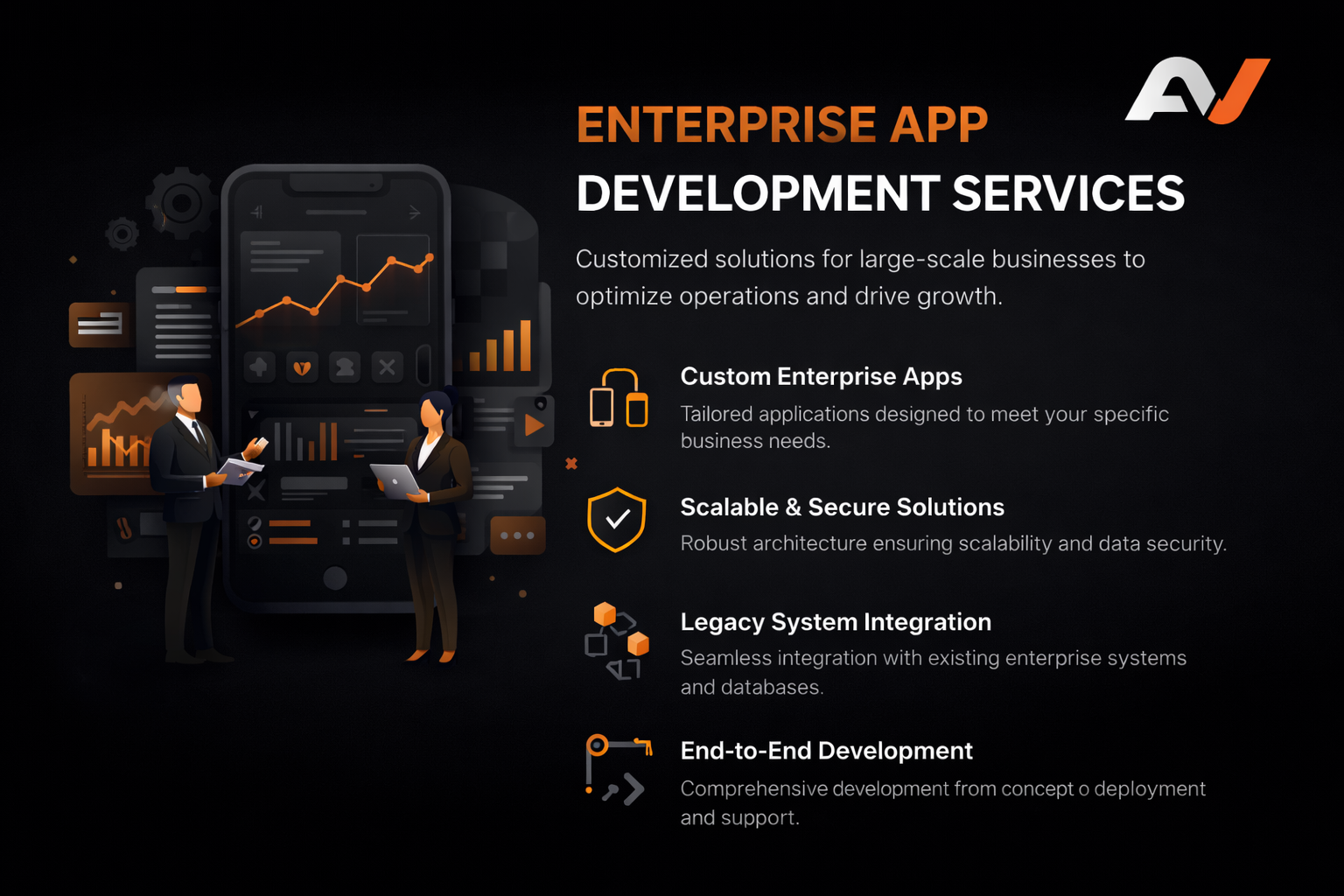
Enterprise applications have become the digital backbone of modern organizations. They’re no longer limited to Fortune 500 corporations running massive ERP systems today, even mid-sized companies and fast-scaling startups rely on enterprise applications to streamline operations, secure data, integrate tools, and make smarter decisions in real time.
If your business is managing multiple departments, complex workflows, high user volume, sensitive data, or growing operational demands, enterprise applications can be a game-changer. Whether it’s automation, system integration, or building a scalable ecosystem, partnering with an experienced enterprise app development company can help you create solutions that reduce friction and unlock productivity.
In this article, we’ll explore what enterprise applications are, what makes a business “enterprise-ready,” and the types of companies that benefit most from enterprise software development and custom enterprise app development.
1) What Is an Enterprise Application?
An enterprise application is software built to support organizational processes at scale. Unlike standard consumer apps or small business tools, enterprise apps are designed for:
-
Multiple roles and permission levels
-
High-volume data handling
-
Integration with other systems (ERP, CRM, HR, BI tools, legacy systems)
-
Compliance and security requirements
-
Reliability, high availability, and performance
-
Scalable architecture and long-term maintainability
Enterprise applications power everything from employee portals and internal dashboards to customer onboarding systems, supply chain platforms, and multi-location operations.
Some common enterprise apps include:
-
Enterprise Resource Planning (ERP)
-
Customer Relationship Management (CRM)
-
Human Resource Management Systems (HRMS)
-
Inventory and Warehouse Management
-
Workflow Automation platforms
-
Business Intelligence (BI) dashboards
-
Document management systems
-
Field service and operations apps
Many organizations build these systems through custom enterprise app development because off-the-shelf solutions often fail to match unique workflows or integration requirements.
2) Signs Your Business Needs Enterprise Applications
Before diving into industries, it helps to identify the operational patterns that typically demand enterprise applications.
You likely need enterprise solutions if you face:
Complex workflows and approvals
If your operations include multi-step approvals across teams (finance approval, manager approval, compliance review), enterprise workflow automation becomes essential.
Disconnected tools and data silos
When data is spread across spreadsheets, email, CRMs, and separate databases, teams waste time and make decisions using incomplete information.
Scaling teams and operations
If your team is growing and processes are becoming harder to manage, enterprise applications improve structure and productivity.
High data sensitivity
If you're storing customer financial data, medical data, proprietary business documents, or regulated information, you need enterprise-grade security and compliance controls.
Multiple branches, departments, or locations
Managing consistent operations across different offices becomes difficult without centralized systems.
Need for performance, reliability, and auditing
Enterprise-grade systems require monitoring, logging, analytics, audit trails, and high availability.
An expert enterprise app development company will evaluate these challenges and recommend the right architecture, tools, and implementation strategy.
3) Types of Businesses That Need Enterprise Applications
Enterprise applications aren’t only for “big businesses.” They’re for businesses with complexity whether operational, regulatory, technological, or scale-related. Let’s break down the main categories.
A) Healthcare Organizations and HealthTech Companies
Healthcare is one of the strongest adopters of enterprise systems due to compliance requirements, multi-department workflows, and sensitive patient data.
Healthcare businesses that need enterprise applications:
-
Hospitals and healthcare networks
-
Clinics and diagnostic centers
-
Telemedicine platforms
-
Health insurance companies
-
EHR/EMR-driven practices
-
Medical supply and pharmacy businesses
Why they need enterprise apps:
-
HIPAA-compliant data processing
-
Secure access control and audit trails
-
Patient record management and workflows
-
Scheduling, billing, and insurance processing
-
Integration with EHR systems and APIs
Healthcare enterprise systems often require advanced authentication (SSO), data encryption, role-based access, and logging making enterprise software development a specialized field in this industry.
B) Financial Services, FinTech, and Insurance
Finance and insurance businesses deal with massive transaction volumes, compliance pressure, fraud detection, and high-demand security requirements.
Businesses in this category:
-
Banks and credit unions
-
Payment processors
-
Lending platforms
-
Investment and portfolio management companies
-
Insurance providers and broker platforms
-
FinTech startups
Why they need enterprise apps:
-
Fraud prevention systems
-
Transaction processing and reporting
-
Customer onboarding and identity verification
-
Claims management and underwriting workflows
-
Compliance logs and audit trails
-
Secure integration with financial institutions and payment networks
In finance, custom enterprise app development is often necessary because compliance and business logic are unique across organizations and security standards are extremely strict.
C) Logistics, Transportation, and Supply Chain Companies
Logistics businesses operate in fast-moving environments where real-time visibility is key. They often need mobile + web enterprise applications to manage fleets, deliveries, warehouse operations, and tracking.
Common businesses here:
-
Freight and trucking companies
-
Courier and last-mile delivery platforms
-
Shipping and warehousing operations
-
Supply chain and procurement firms
-
Inventory-heavy distribution networks
Why they need enterprise apps:
-
Route optimization and live tracking
-
Warehouse management and scanning systems
-
Fleet maintenance scheduling
-
Delivery confirmation and proof of delivery
-
Real-time reporting dashboards
-
IoT integration for smart tracking (RFID, sensors, GPS)
Enterprise systems in logistics often rely on event-driven architecture and high-performance APIs—areas where advanced enterprise software development capabilities matter.
D) Manufacturing and Industrial Businesses
Manufacturing requires precision, quality control, supply tracking, and equipment coordination. Enterprise systems connect operations from sourcing to production to shipping.
Businesses that benefit:
-
Factories and industrial plants
-
Component and equipment manufacturers
-
Assembly and production companies
-
Industrial distribution networks
Why they need enterprise apps:
-
Inventory and raw material tracking
-
Production planning and scheduling
-
Quality assurance workflows
-
Maintenance systems for equipment
-
Procurement and vendor management
-
Integration with ERP platforms
Industrial apps frequently integrate IoT devices and sensors, which adds complexity often requiring custom enterprise app development to match plant operations and processes.
E) Retail, E-Commerce, and Multi-Location Businesses
Retail has evolved far beyond simple POS systems. Companies now operate across online stores, marketplaces, warehouses, and physical locations. Enterprise apps unify operations and customer experiences.
Examples:
-
Retail chains
-
E-commerce brands scaling rapidly
-
Franchises and multi-location service businesses
-
Marketplace platforms
Why they need enterprise apps:
-
Inventory synchronization across locations
-
Order management and fulfillment automation
-
CRM and customer loyalty programs
-
Pricing rules and promotions management
-
Integration with Shopify, Amazon, POS systems
-
Real-time analytics (sales, inventory turnover, customer behavior)
Retail businesses often choose an experienced enterprise app development company to build unified systems that connect customer-facing experiences with backend operations.
F) Education and E-Learning Platforms
Education organizations and EdTech platforms need enterprise-grade systems for student management, content delivery, performance tracking, and staff coordination especially when operating across multiple campuses or serving large user bases.
Businesses and institutions:
-
Universities and colleges
-
School networks and districts
-
Online education platforms
-
Corporate training providers
Why they need enterprise apps:
-
Learning management systems (LMS)
-
Student enrollment and data management
-
Online exams and grading workflows
-
Attendance and progress tracking
-
Collaboration tools for teachers and students
-
Role-based access for staff, students, and admins
Large-scale e-learning platforms require reliable infrastructure and strong analytics—critical elements in enterprise software development.
G) SaaS and B2B Technology Companies
Many B2B SaaS startups eventually need enterprise applications especially when selling to large clients that demand strict security, integrations, and compliance.
SaaS businesses that need enterprise capabilities:
-
HR software platforms
-
Customer support tools
-
Productivity software
-
Analytics tools
-
Industry-specific SaaS platforms
Why they need enterprise apps:
-
Multi-tenant architecture for multiple organizations
-
SSO and advanced identity management
-
Custom permission management
-
Integration marketplace (Zapier, Slack, Salesforce, etc.)
-
Usage tracking and billing automation
-
Scalable infrastructure and monitoring
For SaaS companies, custom enterprise app development enables building robust product foundations that meet enterprise client requirements and support growth.
H) Government and Public Sector Organizations
Government systems require security, compliance, transparency, and long-term reliability. Many processes still rely on manual workflows, and enterprise applications dramatically improve service delivery.
Use cases:
-
Citizen service portals
-
Permit and licensing systems
-
Public health systems
-
Transportation and infrastructure tracking
-
Internal workforce management and reporting
These systems require strict security, accessibility standards, and auditability key priorities for any capable enterprise app development company.
4) Why Businesses Choose Custom Enterprise Applications
Many organizations start with off-the-shelf tools like CRMs, ERPs, spreadsheets, and SaaS subscriptions. But as operations grow, these tools often fall short due to:
-
Rigid workflows that don’t match business reality
-
Limited integrations with internal systems
-
High long-term licensing costs
-
Lack of ownership over data and features
-
Poor scalability for unique use cases
That’s where custom enterprise app development becomes the best option—because it gives full control, tailored workflows, and the ability to build competitive advantage.
Custom enterprise apps can be designed to:
-
Automate unique business workflows
-
Integrate seamlessly with existing tools
-
Centralize reporting and analytics
-
Enforce compliance and security rules
-
Scale with your organization without constant workarounds
5) What to Expect From an Enterprise App Development Company
An experienced enterprise app development company provides more than development they help define the right strategy and ensure success across the entire product lifecycle.
A strong provider will offer:
-
Discovery workshops and requirements analysis
-
System architecture and technical planning
-
UI/UX design for complex workflows
-
Backend development and scalable API design
-
Cloud deployment and DevOps pipelines
-
Security implementation (RBAC, encryption, auditing)
-
Integration with enterprise tools and legacy systems
-
QA automation, performance testing, and monitoring
-
Post-launch support and long-term optimization
This full lifecycle approach is what separates standard development teams from true enterprise-grade partners offering enterprise software development at scale.
Final Thoughts
Enterprise applications are essential for any business that operates at scale, manages complex workflows, handles sensitive data, or depends on multiple systems working together. From healthcare and finance to logistics, manufacturing, retail, and SaaS, enterprise applications provide the infrastructure organizations need to operate efficiently and compete in modern markets.
If your business is facing bottlenecks, disconnected tools, security concerns, or scaling challenges, investing in custom enterprise app development can transform your operations. And working with a trusted enterprise app development company ensures your solution is built with the right architecture, security, and scalability from day one.

 English
 Arabic
 Spanish
 Portuguese
 Deutsch
 Turkish
 Dutch
Dutch
 Italiano
 Russian
 Romaian
 Portuguese (Brazil)
 Greek
Greek