


99 Names of Allah with Meaning | Asma ul Husna in Urdu
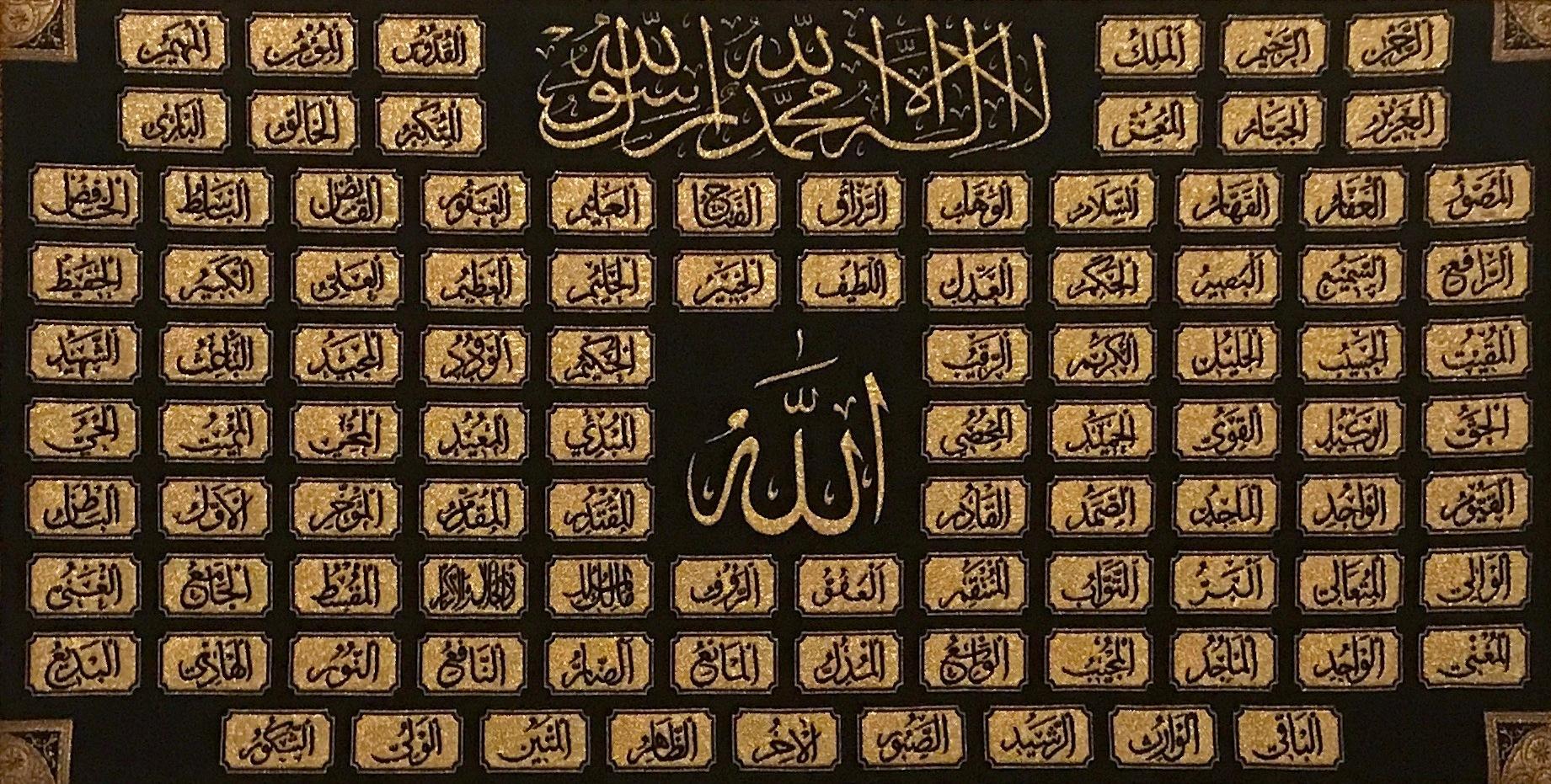
Understanding the 99 Names of Allah with meaning is one of the most beautiful ways to connect with the Creator. Each name carries deep wisdom, reflecting Allah’s unique attributes and divine qualities. These sacred names, known as Asma ul Husna, are mentioned throughout the Quran and Hadith, guiding believers to understand Allah’s mercy, power, and majesty.
What Are the 99 Names of Allah?
The 99 Names of Allah are a collection of divine attributes that describe Allah’s essence and actions. These names reveal how Allah interacts with His creation — through mercy, justice, knowledge, and compassion. For Muslims, learning the beautiful names of Allah strengthens faith and increases spiritual awareness.
The Prophet Muhammad (peace be upon him) said that whoever learns and understands these names will enter Paradise. This Hadith encourages believers to reflect on each name and embody its meaning in daily life.
Importance of Knowing Allah ke 99 Names in Urdu
For Urdu-speaking Muslims, learning Allah ke 99 names in Urdu helps deepen their emotional and spiritual understanding. Urdu translation allows believers to appreciate the divine qualities in their native language, making the connection more heartfelt.
For example, “Ar-Rahman (الرحمن)” means The Most Merciful, and “Al-Ghafoor (الغفور)” means The Forgiving. These names remind believers that Allah’s mercy and forgiveness are limitless.
Asma ul Husna with Meaning in Urdu
The term Asma ul Husna literally means “The Most Beautiful Names.” Each name reflects an aspect of Allah’s perfection. Here are a few examples from the Asma ul Husna with meaning in Urdu that are frequently recited by Muslims:
-
الرَّحْمٰن (Ar-Rahman) – بہت مہربان (The Most Compassionate)
-
الرَّحِيم (Ar-Raheem) – نہایت رحم کرنے والا (The Most Merciful)
-
الْمَلِك (Al-Malik) – بادشاہ (The King)
-
الْقُدُّوس (Al-Quddus) – پاکیزہ (The Most Holy)
-
السَّلَام (As-Salam) – سلامتی دینے والا (The Source of Peace)
These examples highlight how learning the Allah names with meaning in Urdu can inspire Muslims to remember Allah in every aspect of their lives.
99 Names of Allah in English and Urdu
Many believers seek to learn both the 99 Names of Allah in English and Urdu to understand their meanings deeply. Knowing the English translations helps non-Urdu speakers appreciate the divine attributes, while the Urdu meanings bring emotional depth for native speakers.
For instance:
-
Al-Wadood (الودود) – The Loving One / محبت کرنے والا
-
Al-Hakeem (الحكيم) – The Wise / حکمت والا
-
As-Saboor (الصبور) – The Patient / صبر کرنے والا
Understanding these meanings in two languages allows Muslims to reflect on how Allah’s names influence their daily behavior, encouraging kindness, wisdom, and patience.
Allah Names List with Meaning for Daily Life
The Allah names list with meaning is not just for memorization — it’s a source of spiritual guidance. Each name teaches a moral lesson. For example, Ar-Razzaq (The Provider) reminds believers that sustenance comes only from Allah, while Al-Adl (The Just) encourages fairness in all dealings.
Reciting these names brings peace to the heart and helps one stay conscious of Allah’s presence. Whether in prayer, reflection, or daily activities, remembering the beautiful names of Allah can bring comfort and strength during difficult times.
Benefits of Learning Asma ul Husna
There are countless benefits to learning and understanding the Asma ul Husna with meaning in Urdu. It strengthens one’s relationship with Allah, purifies the heart, and encourages humility. Each name serves as a reminder of Allah’s infinite mercy, power, and wisdom.
Muslims often recite these names in prayers, duas, and meditation to seek closeness to Allah. For example, calling upon Al-Shafi (The Healer) during illness or Al-Karim (The Generous) when seeking blessings brings spiritual comfort and faith in Allah’s plan.
How to Memorize the 99 Names of Allah
Memorizing the 99 Names of Allah with meaning can be made easy through consistency and reflection. Here are a few helpful tips:
-
Start with a few names daily — Focus on pronunciation and meaning.
-
Write them down — Visual learning helps retention.
-
Understand the meaning in Urdu — This adds emotional connection.
-
Use them in duas — Incorporating the beautiful names of Allah in prayer strengthens remembrance.
Over time, these names become part of one’s heart and speech, building a stronger spiritual identity.
Conclusion
The 99 Names of Allah are more than just words; they are a reflection of the divine attributes that govern the universe. By studying the 99 Names of Allah with meaning, believers can grow spiritually, understand life’s challenges better, and develop a closer connection to their Creator.
Learning Allah ke 99 names in Urdu, Asma ul Husna with meaning in Urdu, or the 99 Names of Allah in English and Urdu allows Muslims worldwide to experience the beauty of Allah’s attributes in a language they understand best. Every name tells a story — a story of mercy, justice, love, and wisdom — reminding believers that Allah’s presence is eternal and all-encompassing.

 English
 Arabic
 French
 Spanish
 Portuguese
 Deutsch
 Turkish
 Italiano
 Russian
 Romaian
 Portuguese (Brazil)
 Greek
Greek