


Industrial ORP Sensor – Accurate and Reliable Measurement
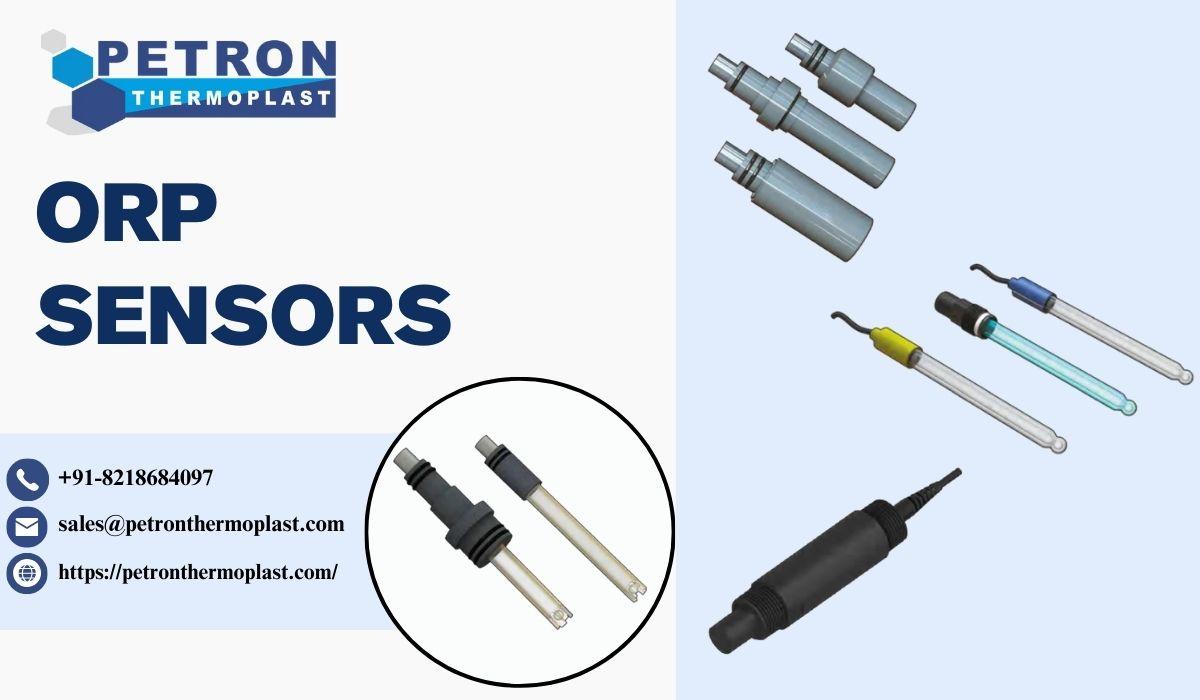
In modern industrial processes, maintaining precise control over chemical reactions and water quality is essential for safety, efficiency, and regulatory compliance. One of the most important parameters used to monitor and control these processes is ORP (Oxidation-Reduction Potential). An Industrial ORP Sensors play a critical role in delivering accurate and reliable measurement of oxidation-reduction reactions across a wide range of industrial applications.
From water treatment plants and chemical processing facilities to power stations and pharmaceutical manufacturing, ORP sensors are indispensable for ensuring consistent process performance. This blog explains what an industrial ORP sensor is, how it works, its benefits, applications, and why accurate ORP measurement is vital for industrial operations.
What Is an ORP Sensor?
An ORP sensor measures the oxidation-reduction potential of a solution, expressed in millivolts (mV). ORP indicates a solution’s ability to either gain electrons (reduction) or lose electrons (oxidation). In simple terms, it shows how chemically active or reactive a solution is.
Unlike pH measurement, which measures acidity or alkalinity, ORP measurement reflects the overall chemical strength of oxidizing or reducing agents present in a system. This makes ORP sensors particularly valuable in processes involving disinfection, chemical dosing, and reaction control.
Importance of Accurate ORP Measurement in Industrial Systems
Accurate ORP measurement is critical because even small deviations can significantly impact process outcomes. Poor ORP control may lead to:
- Inadequate disinfection in water treatment
- Overdosing or underdosing of chemicals
- Reduced process efficiency
- Equipment corrosion or damage
- Non-compliance with environmental regulations
An industrial-grade ORP sensor ensures real-time, precise data that allows operators to make informed decisions and maintain optimal operating conditions.
How an Industrial ORP Sensor Works?
An ORP sensor typically consists of two main components:
- Measuring Electrode
Usually made of platinum or gold, this electrode interacts with the solution and responds to oxidation-reduction reactions. - Reference Electrode
Provides a stable reference potential against which the measuring electrode is compared.
The ORP sensor measures the voltage difference between these two electrodes. This voltage, displayed in millivolts, represents the oxidation-reduction potential of the solution.
Industrial ORP sensors are designed for continuous, online monitoring, making them suitable for automated control systems and SCADA integration.
Key Features of Industrial ORP Sensors
- High Measurement Accuracy
Industrial ORP sensors are engineered to deliver precise readings even in fluctuating process conditions. Accurate measurement ensures reliable process control and chemical optimization.
- Real-Time Monitoring
Online ORP sensors provide continuous data, enabling immediate response to changes in oxidation-reduction conditions. This is essential for processes that operate 24/7.
- Robust Industrial Construction
Industrial ORP sensors are built to withstand harsh environments, including high temperatures, pressure variations, and chemically aggressive media.
- Low Maintenance Design
Modern ORP sensors feature durable electrodes and easy-clean designs that reduce maintenance frequency and downtime.
- Compatibility with Control Systems
Industrial ORP sensors can be easily integrated with PLC, DCS, and SCADA systems for automated process control and data logging.
Applications of Industrial ORP Sensors
Water & Wastewater Treatment
ORP sensors are widely used to monitor disinfection processes such as chlorination, ozonation, and chemical dosing. They ensure effective pathogen control while preventing chemical overuse.
Chemical Processing Plants
In chemical industries, ORP sensors help control oxidation and reduction reactions, ensuring consistent product quality and process safety.
Power Plants
ORP sensors are used in cooling water systems, boiler feedwater treatment, and effluent monitoring to control corrosion and scaling.
Pharmaceutical Manufacturing
Pharma processes demand precise chemical control. ORP sensors support accurate monitoring of critical reactions and cleaning processes.
Food & Beverage Industry
ORP sensors help maintain hygiene standards in CIP (Clean-in-Place) systems and water treatment processes, ensuring product safety.
ORP Sensor vs pH Sensor: Understanding the Difference
While both ORP and pH sensors are commonly used in industrial processes, they measure different parameters:
- pH sensors measure acidity or alkalinity.
- ORP sensors measure the oxidizing or reducing strength of a solution.
In many applications, ORP measurement provides a more direct indication of chemical effectiveness than pH, especially in disinfection and oxidation processes.
Benefits of Using Industrial-Grade ORP Sensors
- Improved process efficiency and consistency
- Reduced chemical consumption and operating costs
- Enhanced safety and environmental compliance
- Reliable performance in continuous industrial operations
- Better protection of equipment and infrastructure
Factors to Consider When Selecting an Industrial ORP Sensor
When choosing an ORP sensor for industrial use, consider the following:
- Measurement range and accuracy
- Process temperature and pressure conditions
- Chemical compatibility with process media
- Installation method (in-line, immersion, or flow cell)
- Maintenance and calibration requirements
Installation and Maintenance Best Practices
To achieve accurate and reliable ORP measurement:
- Install the sensor in a location with consistent flow
- Avoid air bubbles or stagnant zones
- Clean electrodes regularly to prevent fouling
- Calibrate the sensor periodically using standard solutions
- Follow manufacturer guidelines for installation and care
Proper installation and maintenance significantly extend sensor lifespan and measurement accuracy.
Why Industrial ORP Sensors Are Essential for Automation?
With increasing automation in industrial processes, ORP sensors play a crucial role in closed-loop control systems. They enable automatic adjustment of chemical dosing and process parameters, reducing manual intervention and human error.
This level of automation improves efficiency, safety, and consistency across industrial operations.
Conclusion
An Industrial ORP Sensor is a vital instrument for achieving accurate and reliable measurement in modern industrial processes. By providing real-time insight into oxidation-reduction conditions, ORP sensors help industries optimize chemical usage, improve process control, and maintain compliance with stringent quality and environmental standards.
Whether used in water treatment, chemical processing, power generation, or pharmaceuticals, industrial ORP sensors deliver dependable performance that supports efficient and safe operations. Investing in high-quality ORP measurement solutions by Petron Thermoplast is a critical step toward achieving long-term operational excellence.

 Arabic
 French
 Spanish
 Portuguese
 Deutsch
 Turkish
 Dutch
Dutch
 Italiano
 Russian
 Romaian
 Portuguese (Brazil)
 Greek
Greek