


Can Water Damage Ruin Drywall and Insulation?
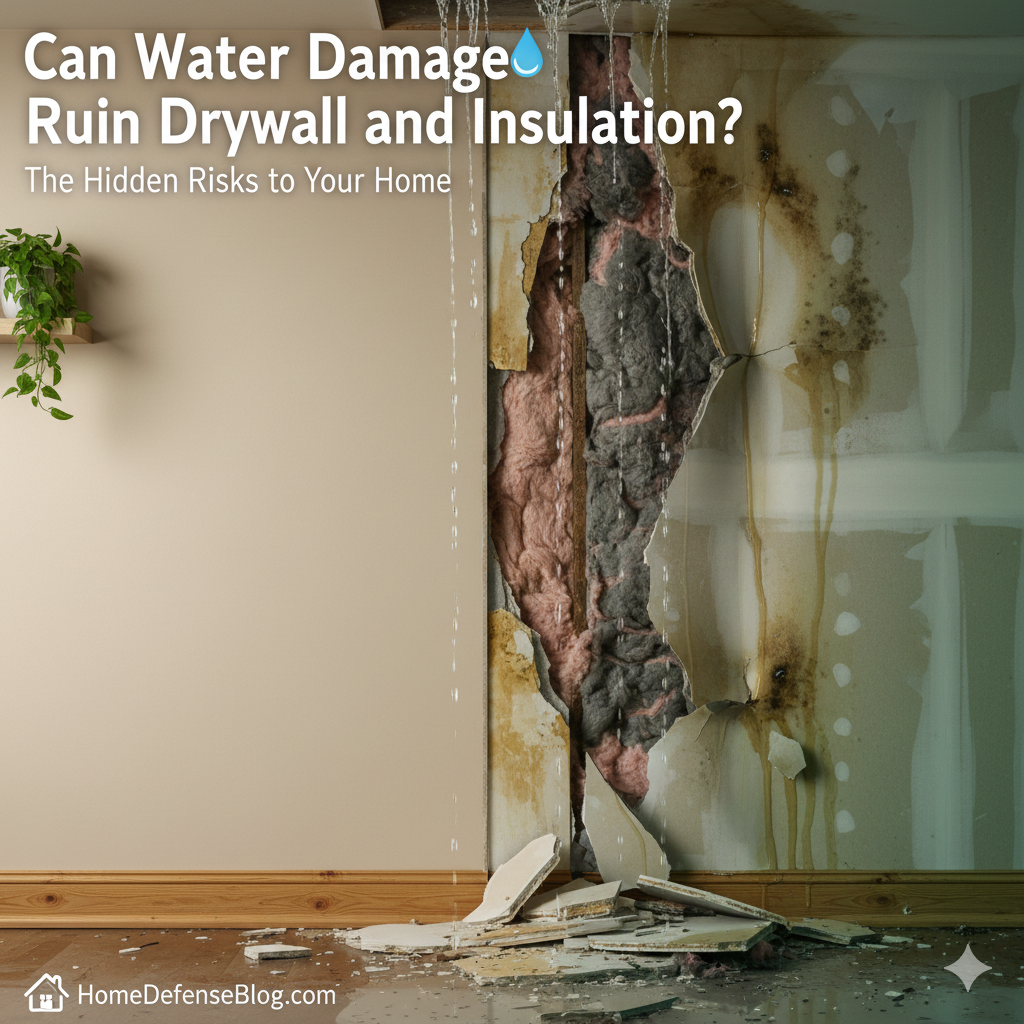
Water damage often starts quietly. A small leak behind a wall. A burst pipe while no one is home. A roof issue after a heavy storm. What looks minor at first can turn into a serious problem when drywall and insulation are involved. Many homeowners only realize the extent of the damage after contacting professionals who specialize in Austin tx water damage restoration and discovering how far moisture has traveled behind the scenes.
Drywall and insulation are two of the most vulnerable materials in a home. They absorb water quickly and hold onto it. Once moisture gets trapped, the damage spreads fast.
How Water Affects Drywall
Drywall is made from gypsum pressed between layers of paper. That structure makes it lightweight and affordable, but also very sensitive to water. When drywall gets wet, it begins to soften. The paper facing absorbs moisture first, then the gypsum core follows.
Early signs of water damage include staining, bubbling paint, or slight warping. Over time, drywall can sag, crumble, or lose its shape completely. Even if it dries on the surface, moisture may remain inside.
Once drywall stays wet for more than a short period, it often cannot be saved. The structural integrity weakens. Nails loosen. Joints crack. Repainting over damaged drywall does not fix the issue.
Why Insulation Suffers Even More
Insulation hides behind walls, so damage often goes unnoticed longer. Fiberglass insulation, one of the most common types in US homes, absorbs water and loses its ability to insulate. Wet insulation clumps together and traps moisture against wood framing and drywall.
Cellulose insulation is even more sensitive. Made from recycled paper, it absorbs water fast and becomes heavy. This added weight can cause ceilings to sag. It also creates a perfect environment for mold.
Foam insulation resists water better, but prolonged exposure still causes problems. Moisture can travel along surfaces and settle in surrounding materials.
When insulation gets wet, drying it fully is very difficult without professional equipment. In many cases, replacement is the safest option.
The Hidden Risks Behind Wet Walls
The biggest danger of water damage inside walls is what you cannot see. Moisture trapped behind drywall creates conditions for mold growth. Mold does not need standing water. Damp materials are enough.
Health risks rise when mold spores spread through indoor air. Children, seniors, and people with allergies or asthma are especially vulnerable.
Water damage also affects structural elements. Wood studs can warp or rot. Metal components may rust. Electrical systems inside walls face corrosion risks.
Ignoring wet drywall and insulation often leads to higher repair costs later.
When Can Drywall and Insulation Be Saved?
Not all water damage leads to full replacement. The outcome depends on the source of water, how long materials stayed wet, and how quickly drying begins.
Clean water from a supply line leak may cause less contamination if addressed fast. Gray or black water from flooding or sewage always requires removal of affected materials due to health risks.
Professionals use moisture meters and thermal imaging to detect hidden water. Industrial drying equipment removes moisture more effectively than household fans.
In many cases, partial removal allows proper drying while limiting repair scope. This approach prevents future mold issues.
Why Professional Restoration Matters
Water damage restoration is not just about drying visible surfaces. It requires understanding how water moves through building materials. Professionals know where moisture hides and how to remove it safely.
A trained team controls humidity, monitors drying progress, and prevents secondary damage. They also document the process, which helps with insurance claims.
Quick action protects both the structure and the health of everyone inside the home.
Frequently Asked Questions
How fast does drywall get damaged by water?
Drywall can start showing damage within hours. Structural weakening often begins within one to two days.
Can insulation dry on its own?
Insulation rarely dries fully without professional equipment. Wet insulation often needs replacement.
Is water-stained drywall always moldy?
Not always, but staining means moisture exposure. Mold can develop if moisture remains trapped.
Should I remove drywall after a leak?
In many cases, yes. Removing affected sections allows proper drying and prevents mold.
How do professionals detect hidden water?
They use moisture meters, infrared cameras, and experience to locate trapped moisture.
Water damage does not end when the leak stops. Drywall and insulation often hold onto moisture long after surfaces look dry. Acting quickly reduces long-term risks and repair costs. When moisture has been present long enough to raise concerns about air quality, contacting experts who provide professional mold removal services Texas helps ensure the home is safe, clean, and fully restored.

 English
 Arabic
 French
 Spanish
 Portuguese
 Turkish
 Dutch
Dutch
 Italiano
 Russian
 Romaian
 Portuguese (Brazil)
 Greek
Greek