


Chicken Manure Composting Process Explained for Sustainable Agriculture
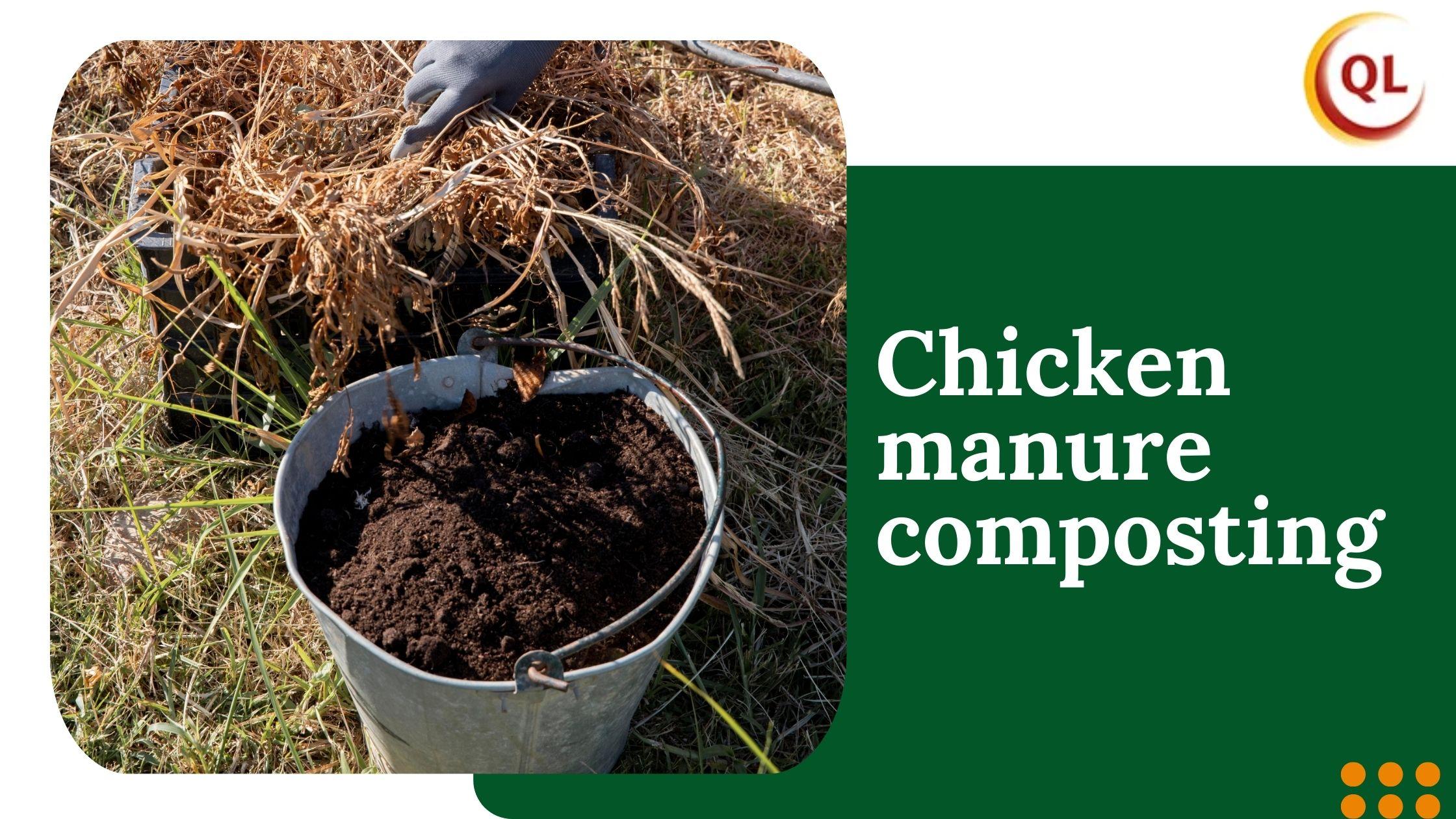
Sustainable agriculture depends on healthy soils, efficient nutrient recycling, and environmentally responsible practices. One of the most effective ways to achieve these goals is through Chicken Manure Composting. At QL Farms, we use controlled composting methods to transform poultry manure into safe, nutrient-rich organic fertilizer that supports long-term soil fertility and crop productivity.
This article explains the Chicken Manure Composting process, its key stages, and how it contributes to sustainable agricultural systems.
What Is Chicken Manure Composting?
Chicken Manure Composting is a biological process that converts raw poultry manure into stable organic fertilizer through controlled decomposition. Fresh chicken manure is rich in nutrients but can be harmful to plants if applied directly due to high ammonia levels and potential pathogens.
Through composting, microorganisms break down organic materials, stabilize nutrients, and eliminate harmful organisms. The result is a safe, odor-free, and plant-friendly fertilizer that improves soil health and supports sustainable farming practices.
Importance of Chicken Manure Composting in Agriculture
Chicken Manure Composting plays a crucial role in sustainable agriculture by recycling agricultural waste into valuable soil nutrients. Instead of allowing manure to pollute water sources or release greenhouse gases, composting captures its nutrient potential and returns it to the soil.
Composted manure improves soil fertility, reduces reliance on chemical fertilizers, and enhances soil biological activity. For farmers, this means healthier crops, lower input costs, and improved long-term productivity.
Key Materials Used in Chicken Manure Composting
Effective Chicken Manure Composting requires a balanced mix of materials. Chicken manure is rich in nitrogen, so it is combined with carbon-rich materials such as straw, rice husks, sawdust, or dry leaves. This balance creates optimal conditions for microbial activity.
Proper moisture content and aeration are also essential. Maintaining the right carbon-to-nitrogen ratio ensures efficient decomposition and prevents issues such as foul odors or nutrient loss.
Step-by-Step Chicken Manure Composting Process
1. Collection and Preparation
The composting process begins with the careful collection of chicken manure from poultry farms. At QL Farms, we ensure manure is free from contaminants before composting. Carbon materials are added to balance nutrients and improve structure.
2. Pile Formation
The prepared materials are arranged into compost piles or windrows. These piles are designed to allow proper airflow, which is essential for aerobic decomposition. Adequate pile size helps retain heat while allowing oxygen circulation.
3. Microbial Decomposition
During Chicken Manure Composting, beneficial microorganisms break down organic matter, generating heat in the process. Temperatures typically rise to levels that destroy weed seeds, pathogens, and harmful bacteria, ensuring compost safety.
4. Turning and Aeration
Regular turning of compost piles introduces oxygen and redistributes materials evenly. This step prevents anaerobic conditions and ensures uniform decomposition. Proper aeration also helps control moisture and odor levels.
5. Curing and Maturation
After active decomposition, the compost enters a curing phase. During this stage, microbial activity slows, and nutrients stabilize. Mature compost becomes dark, crumbly, and earthy in smell, indicating readiness for agricultural use.
Nutrient Stabilization Through Composting
One of the main benefits of Chicken Manure Composting is nutrient stabilization. Raw manure contains nutrients in forms that can be easily lost through leaching or volatilization. Composting converts these nutrients into stable organic compounds.
This stabilization allows nutrients to be released slowly into the soil, providing long-term nutrition to crops. Slow-release nutrients improve fertilizer efficiency and reduce environmental pollution.
Benefits of Chicken Manure Composting for Soil Health
Composted chicken manure improves soil structure by increasing organic matter content. This enhances water retention, aeration, and root penetration. Soils treated with compost are more resilient to erosion and compaction.
Additionally, Chicken Manure Composting promotes beneficial soil microorganisms that support nutrient cycling and suppress soil-borne diseases. Healthy soil biology leads to stronger plant growth and improved crop yields over time.
Environmental Advantages of Chicken Manure Composting
Chicken Manure Composting supports environmental sustainability by reducing waste, minimizing nutrient runoff, and lowering greenhouse gas emissions. Proper composting prevents ammonia loss and protects nearby water bodies from contamination.
By recycling poultry waste into organic fertilizer, composting contributes to circular agriculture, where resources are reused efficiently. This approach aligns with global efforts to reduce agricultural environmental impact.
Applications in Sustainable Farming Systems
Composted chicken manure is suitable for a wide range of crops, including vegetables, fruits, cereals, and plantation crops. It can be applied during soil preparation or as a soil amendment to improve fertility.
Because of its slow-release nature, composted manure supports consistent crop growth throughout the season. It is especially valuable in organic and integrated farming systems that prioritize soil health and environmental protection.
QL Farms’ Commitment to Quality Composting
At QL Farms, we follow strict quality control standards throughout the Chicken Manure Composting process. Our composting methods ensure pathogen-free, nutrient-rich fertilizer that meets the needs of modern sustainable agriculture.
We are committed to providing farmers with reliable organic fertilizer solutions that improve soil health, enhance crop productivity, and support long-term sustainability.
Conclusion
Chicken Manure Composting is a vital process in sustainable agriculture, transforming poultry waste into a valuable resource for soil and crops. Through controlled composting, nutrients are stabilized, pathogens are eliminated, and soil health is improved.
By choosing composted products from QL Farms, farmers invest in sustainable practices that support productive agriculture while protecting the environment for future generations.
Visit Us: https://qlfarmstayninhliabilityltd.com/about-us.php

 English
 Arabic
 French
 Portuguese
 Deutsch
 Turkish
 Dutch
Dutch
 Italiano
 Russian
 Romaian
 Portuguese (Brazil)
 Greek
Greek