


Why Enterprises Are Moving Away from DocuSign Toward White-Label eSignature Platforms
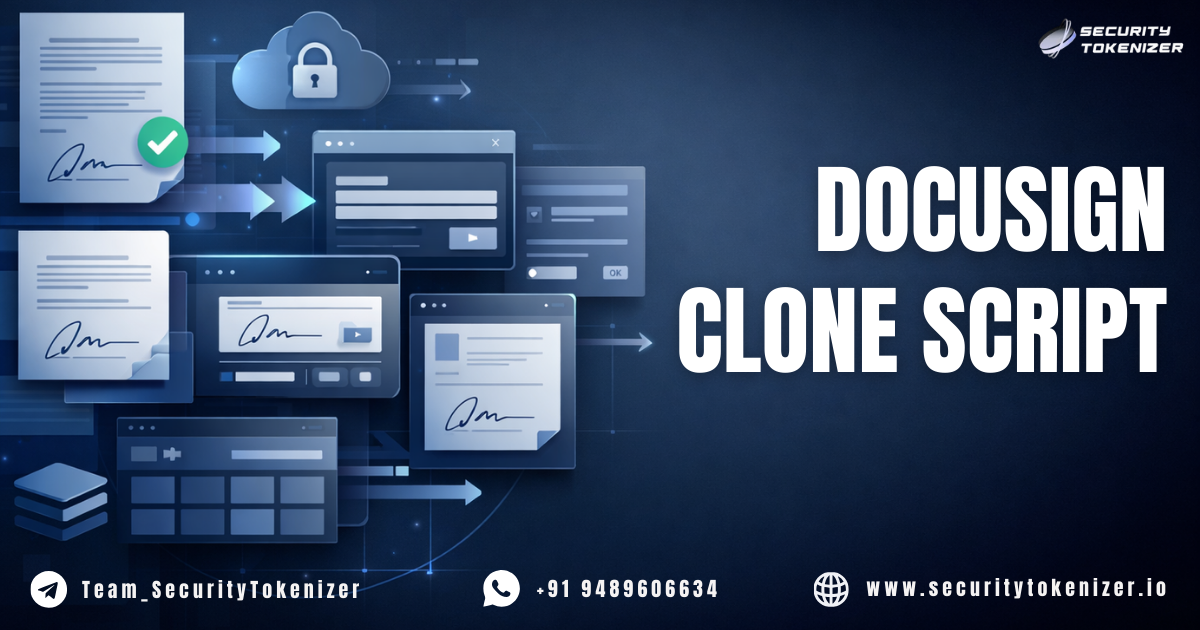
Digital document signing has become essential for modern businesses. For many years, DocuSign has been the most widely used eSignature platform, offering a simple way to sign and manage documents online. However, as enterprises grow and operations become more complex, their expectations from eSignature technology change. Factors such as cost scalability, branding limitations, data ownership, and integration flexibility are now driving companies to explore alternatives. This shift is leading many enterprises toward white-label eSignature platforms that offer greater control and long-term strategic value.
DocuSign Solves a Need, Not Enterprise Ownership
DocuSign is designed as a ready-to-use SaaS product that works well for teams needing quick deployment without technical involvement. However, enterprises often view eSignature as a core business function rather than a standalone tool. When document workflows are deeply connected to internal systems, relying on an external platform can feel restrictive. This is why many enterprises now explore a DocuSign clone script that allows them to own, customize, and control their eSignature platform while aligning it with long-term operational strategies.
What White-Label eSignature Really Means
A white-label e-signature platform enables businesses to utilize digital signing technology under their own brand. The interface, domain, and user experience reflect the company’s identity rather than a third-party provider. Unlike DocuSign, which always displays its own branding, white-label solutions provide full customization. This makes them ideal for enterprises that want consistency across customer touchpoints and internal systems.
Cost Control and Predictable Scaling
Subscription-based pricing is one of the biggest concerns enterprises have with DocuSign. As usage increases, costs can rise unexpectedly due to per-user or per-document pricing models. White-label eSignature platforms typically offer more flexible pricing structures, including one-time licensing or custom agreements. This allows enterprises to forecast costs accurately and scale operations without worrying about recurring SaaS fees increasing year after year.
Data Ownership and Compliance Requirements
Enterprises handle sensitive documents that often fall under strict regulatory and compliance frameworks. Storing contracts and agreements on third-party servers can raise concerns related to data residency, audits, and legal control. White-label eSignature platforms allow organizations to host data on their own infrastructure or preferred cloud environment. This provides stronger control over security policies, audit logs, and compliance standards, especially in regulated industries such as legal, finance, and healthcare.
Integration With Internal Systems
Modern enterprises rely on interconnected systems such as CRM, ERP, HR platforms, and internal dashboards. DocuSign integrations work well at a surface level but may not support deeper customization. White-label eSignature platforms can be tightly integrated into internal workflows, enabling smooth automation, custom logic, and customized user journeys. This level of integration reduces manual work and improves operational efficiency across departments.
Branding, Trust, and User Experience
Brand consistency plays a crucial role in enterprise credibility. When customers or partners interact with documents, seeing a third-party brand can dilute trust and professionalism. White-label eSignature platforms ensure that every document interaction reflects the enterprise’s brand identity. This improves trust, improves user experience, and reinforces brand ownership throughout the document lifecycle.
Building for the Future, Not Just Today
Enterprises are increasingly shifting from renting software to building or owning platforms. This approach offers greater flexibility to adapt as business models evolve. White-label eSignature platforms align with this mindset by allowing enterprises to extend functionality, integrate emerging technologies, and evolve without being constrained by SaaS limitations. Owning the eSignature layer positions organizations for long-term innovation and growth.
Conclusion
DocuSign meets basic eSignature needs, but enterprises with complex workflows increasingly choose white-label eSignature platforms for better control, scalability, and compliance. As a Blockchain development company, Security Tokenizer helps enterprises integrate secure, ownership-driven eSignature solutions into their digital ecosystems. Owning the eSignature infrastructure is becoming a key factor in building trusted, future-ready enterprise platforms.

 English
 Arabic
 French
 Spanish
 Portuguese
 Turkish
 Dutch
Dutch
 Italiano
 Russian
 Romaian
 Portuguese (Brazil)
 Greek
Greek