


Why Your Next Project Needs a Structural Engineering Consultancy
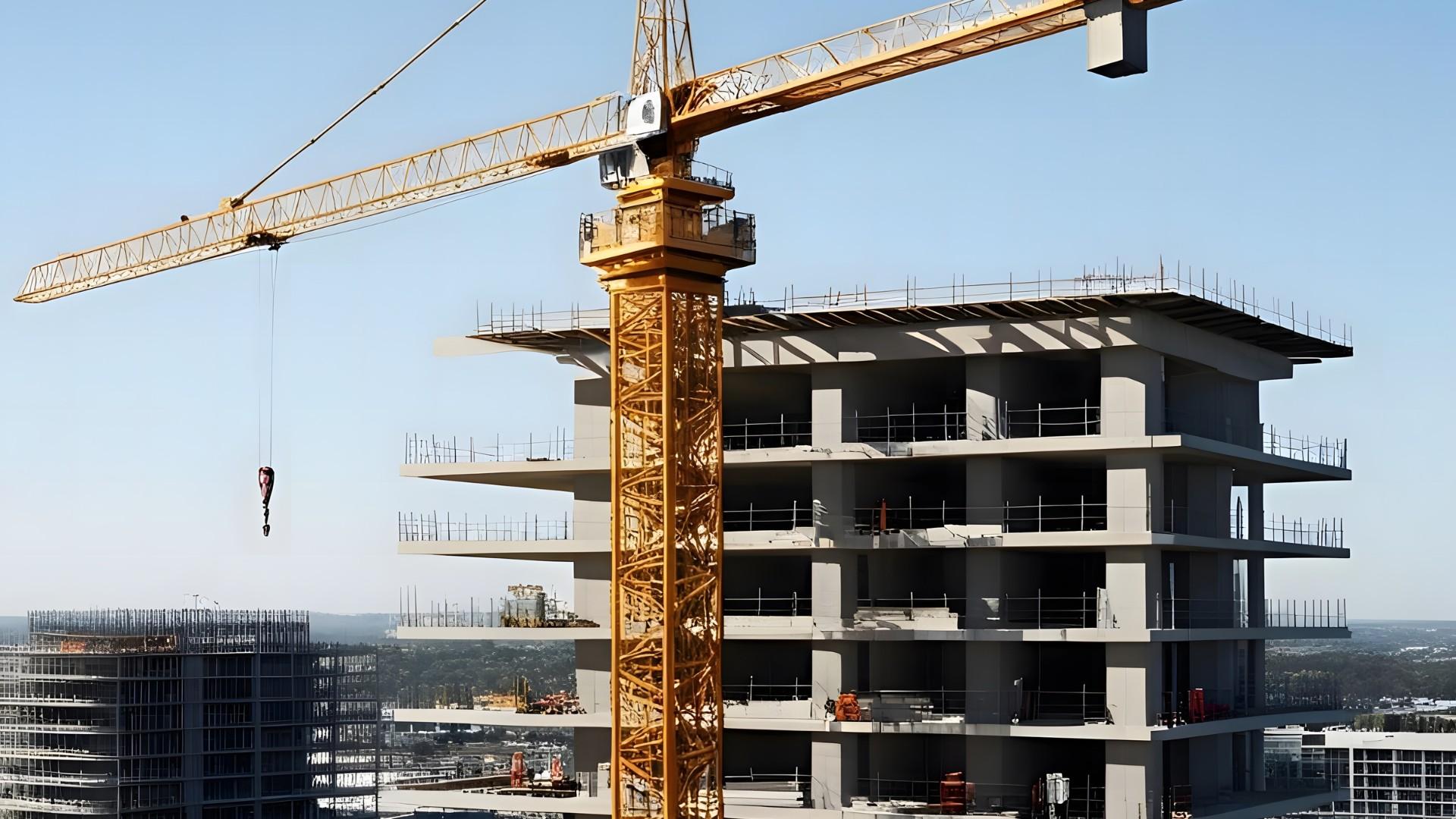
Building a new home, commercial space, or extending a property is an exciting venture. It represents growth, change, and future potential. But beneath the aesthetics of modern architecture and the functionality of well-planned spaces lies the most critical component of all: the structure.
Ensuring your building stands tall, safe, and compliant with regulations isn't just about good design—it's about precise engineering. This is where professional guidance becomes indispensable. Whether you are a homeowner planning a renovation, an architect visualizing a complex design, or a developer managing a large-scale construction, the expertise you bring on board determines the longevity and safety of your project.
Understanding the role of structural engineers can be the difference between a smooth construction process and a project plagued by delays, budget blowouts, or safety concerns.
What is a Structural Engineering Consultancy?
A Structural engineering consultancy is a specialized firm dedicated to the analysis, design, and evaluation of load-bearing structures. Unlike architects, who focus primarily on the aesthetics and spatial functionality of a building, structural engineers focus on the "bones" of the structure. They calculate how a building will stand up to the forces of nature—gravity, wind, earthquakes, and soil pressure—as well as the weight of the people and furniture inside it.
At Integra, our consultancy role involves collaborating with architects and builders to ensure that a vision is not only beautiful but buildable and safe. We prepare detailed drawings, specifications, and calculations that are necessary for obtaining building permits and guiding the construction crew. Hiring a reputable consultancy ensures that your project adheres to local building codes, mitigating legal risks and ensuring public safety.
The Vital Role of Structural Engineers in Construction
Many clients wonder if they truly need a structural engineer, especially for smaller projects. The reality is that almost any modification to a building’s load-bearing elements requires professional input.
Ensuring Safety and Stability
The primary responsibility of a structural engineer is safety. We analyze the materials used—whether concrete, steel, wood, or masonry—to ensure they can support the intended loads. This is not guesswork; it is physics and mathematics applied to real-world scenarios. A minor miscalculation in the load path can lead to catastrophic failure, such as collapsing roofs or cracking foundations.
Optimizing Material Use
Contrary to popular belief, hiring an engineer often saves money. An experienced engineer knows how to design efficient structures. Instead of "over-engineering" a building with unnecessary amounts of expensive steel or concrete, we calculate exactly what is needed to meet safety standards. This optimization reduces material waste and lowers overall construction costs.
Navigating Building Codes
Construction laws are complex and constantly evolving. A structural engineering consultancy stays up-to-date with the latest International Building Code (IBC) and local municipal regulations. We handle the technical documentation required for regulatory approval, smoothing the path through the permitting process.
When Do You Need a Structural Engineer?
Recognizing the trigger points for hiring an engineer can save you time and stress. Here are common scenarios where our expertise is required:
1. Removing Walls
Open-concept living is a massive trend, but tearing down a wall isn't as simple as swinging a sledgehammer. If you remove a load-bearing wall without proper reinforcement, your ceiling could sag or collapse. An engineer determines if a beam is needed to replace the wall and specifies exactly what kind of beam to use.
2. Building Additions
Adding a second story or extending a room outward changes the load distribution on your existing foundation. We assess whether the current foundation can handle the extra weight or if it needs underpinning and reinforcement.
3. Identifying Structural Damage
Cracks in the drywall, sloping floors, or doors that won't close properly can be signs of foundation settling or structural distress. Before you patch the cracks, you need an engineer to diagnose the root cause to ensure you aren't covering up a dangerous problem.
4. Custom Homes and Unique Designs
If you are building from scratch, especially with unique architectural features like cantilevered balconies, large glass facades, or open-span roofs, a structural engineer acts as the critical partner to the architect to make those features physically possible.
The Integra Approach: Precision Meets Innovation
At Integra, we believe that engineering is a creative discipline. We don't just crunch numbers; we solve problems. Our team works closely with clients to understand their vision and budget constraints.
We utilize advanced modeling software to simulate how structures behave under various conditions. This digital-first approach allows us to identify potential conflicts before construction begins, saving costly on-site revisions. From residential retrofits to complex commercial frameworks, our goal is to deliver designs that are robust, efficient, and compliant.
Common Structural Materials and Their Applications
Different projects call for different materials. Part of our consultancy service involves advising on the best materials for your specific needs.
Structural Steel
Steel offers an incredible strength-to-weight ratio. It is ideal for long spans where you don't want columns interrupting the space, such as in warehouses or open-plan offices. It is also ductile, meaning it can bend without breaking, making it excellent for earthquake-prone areas.
Reinforced Concrete
Concrete is the backbone of modern infrastructure. It is exceptionally strong in compression (pushing forces) but weak in tension (pulling forces). By reinforcing it with steel bars (rebar), we create a composite material that handles both forces well. It is durable, fire-resistant, and provides excellent sound insulation.
Timber and Engineered Wood
Wood is sustainable, aesthetically pleasing, and easy to work with. Modern engineered wood products, like Cross-Laminated Timber (CLT), are now strong enough to be used in multi-story buildings, offering a greener alternative to steel and concrete.
Masonry
Brick and stone are timeless. While often used for cladding today, load-bearing masonry is still relevant. It offers high thermal mass, keeping buildings cool in summer and warm in winter, and provides a distinct architectural character.
How to Choose the Right Engineering Firm
Not all engineering firms are created equal. When selecting a partner for your project, consider the following factors:
- Experience: Have they worked on projects similar to yours? A firm specializing in high-rise condos might not be the best fit for a historic home renovation.
- Communication: Engineering is technical, but your engineer should be able to explain concepts in plain English. You need to understand the "why" behind their decisions.
- Responsiveness: Construction moves fast. You need a team that answers emails promptly and can visit the site when issues arise.
- Licensing: Ensure the engineers are licensed Professional Engineers (PE) in your specific state or region.
Finding a "Structural Engineering Consultancy Near Me"
In the digital age, finding a service provider usually starts with a search engine. When you type Structural engineering consultancy near me into Google, you aren't just looking for geographical proximity; you are looking for local expertise. Local engineers understand the specific soil conditions of your area—whether it's expansive clay that shifts with the rain or rocky terrain that is difficult to excavate. They are also familiar with the specific quirks of local building departments and inspectors, which can streamline the approval process significantly. At Integra, we pride ourselves on being accessible to our local community, providing site visits and face-to-face consultations that remote firms simply cannot offer.
Building a Safer Future
The structures we inhabit shape our daily lives. They protect us from the elements, provide spaces for commerce and community, and house our families. Ensuring these structures are sound is a responsibility we take seriously.
By engaging a professional consultancy, you are investing in peace of mind. You are ensuring that your property value is protected, your occupants are safe, and your vision is realized with structural integrity. Whether you are fixing a cracking foundation or planning a skyline-altering skyscraper, the physics remains the same, but the expertise you choose makes all the difference.
Trust Integra to bring stability, safety, and smart solutions to your next construction project.

 Arabic
 French
 Spanish
 Portuguese
 Deutsch
 Turkish
 Dutch
Dutch
 Italiano
 Russian
 Romaian
 Portuguese (Brazil)
 Greek
Greek