


The Science Behind Cardboard Packaging: How Material Strength, GSM, and Structure Influence Product Safety
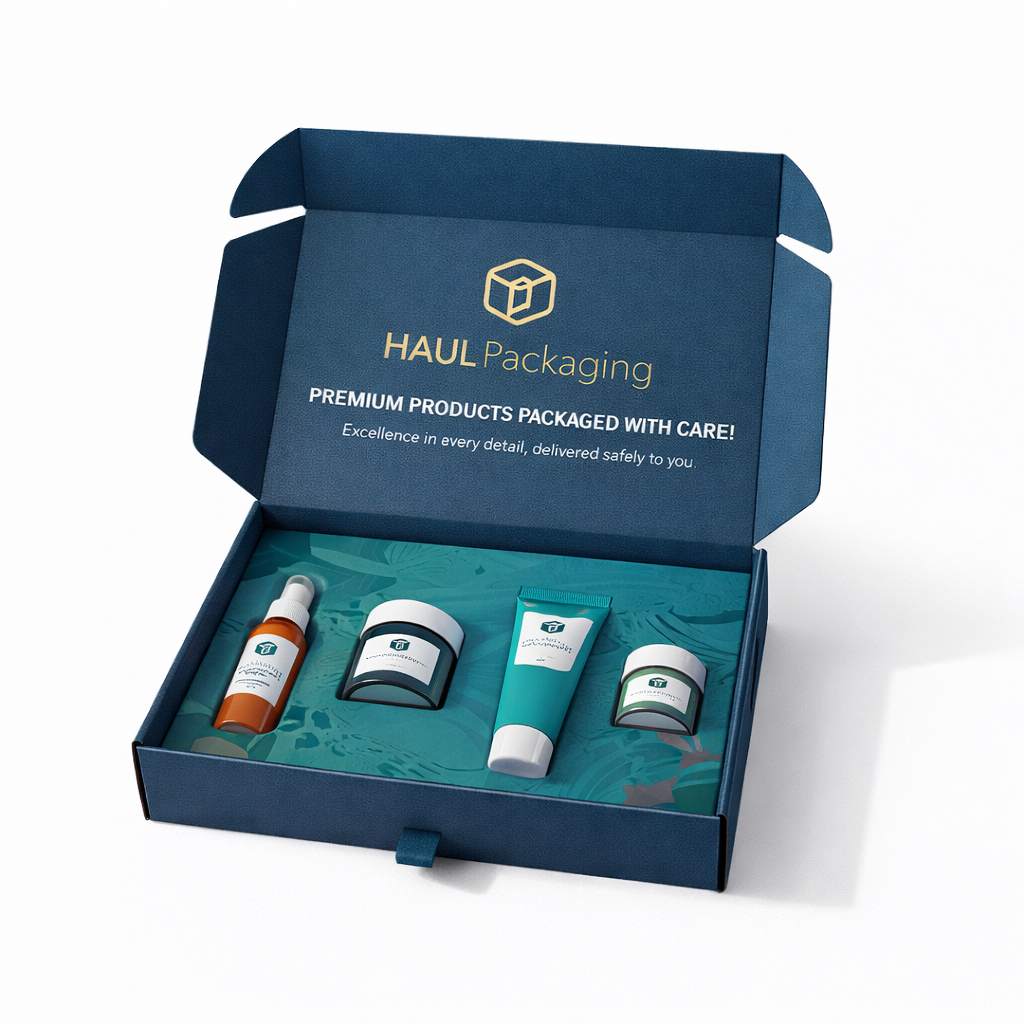
Most people think of cardboard as a basic, everyday material, something ordinary, inexpensive, and predictable. But the cardboard used for professional packaging, especially in retail and e-commerce, is far more complex than it appears. Behind every well-built box is a combination of engineering, material science, and design strategy.
Whether you’re selling food, cosmetics, electronics, clothing, or handmade items, understanding how cardboard packaging works can completely change the way you choose boxes for your business. This is why so many brands today rely on custom cardboard boxes, built specifically to match their product’s weight, fragility, shipping distance, and brand identity.
In this article, we’ll break down the real science behind cardboard packaging from GSM to corrugation to structural engineering and explain why material quality directly affects product safety, customer satisfaction, and overall brand credibility.
1. Cardboard Is Not One Material It’s a System
To the average consumer, cardboard is “just cardboard.” But in manufacturing, cardboard comes in dozens of grades and combinations designed for specific performance levels.
The three key components are:
A. The liner (outer layers)
These provide structure, printability, and strength.
B. The fluting (middle layer)
This provides cushioning, shock absorption, and stiffness.
C. The adhesive
This connects the layers and ensures durability.
Every variation changes how much weight the box can carry, how much pressure it can handle, and how well it protects during shipping.
2. GSM: The Hidden Number That Determines Cardboard Strength
GSM (grams per square meter) measures how dense and strong the cardboard sheet is.
Low GSM → light, bendable, suitable for small or lightweight items
High GSM → strong, stiff, suitable for heavier products
Common GSM ranges:
● 150–220 GSM → light retail boxes
● 250–350 GSM → cosmetics, skincare, and bakery packaging
● 400+ GSM → premium retail boxes
● 600–800 GSM → rigid-like heavy-duty packaging
Brands using custom cardboard boxes often choose GSM based on:
● product weight
● shipping distance
● climate conditions
● storage requirements
Stronger GSM results in fewer damages and higher customer satisfaction.
3. Corrugation: The Engineering Inside Every Strong Box
Corrugated cardboard contains a fluted layer sandwiched between two flat liners. This structure absorbs impact during shipping.
The three most common flute types are:
A-Flute
● Thickest
● Excellent cushioning
● Ideal for fragile items
B-Flute
● Thinner
● Strong sidewall strength
● Common in retail packaging
E-Flute
● Very thin
● Smooth printing surface
● Used for beauty, cosmetics, and premium retail items
There is also F-flute and micro-flute for high-end printing and gift packaging.
The type of flute determines how sturdy the box feels, how well it protects, and how premium it looks.
4. Single Wall vs. Double Wall: Choosing the Right Strength
Single Wall
One layer of fluting
✔ Cost-effective
✔ Good for lightweight items
✔ Ideal for smaller retail boxes
Double Wall
Two layers of fluting
✔ High strength
✔ Ideal for shipping
✔ Excellent for heavy or fragile products
Many businesses underestimate the importance of wall thickness. A product that weighs 500g may still need double-wall packaging if it is fragile or shipped long distances.
5. Box Structure Affects Performance More Than Appearance
Packaging is often judged by its look, but structure is what protects the product. Some of the most effective box structures include:
Tuck Top Boxes
Common for cosmetics, soaps, and small bakery items.
Crash Lock/Auto Lock Bottom
Strong base ideal for slightly heavier items.
Mailer Boxes
Perfect for e-commerce shipping and branding.
Window Boxes
Allow visibility popular for bakery and retail.
Two-Piece Lid-and-Base Boxes
Clean, premium presentation.
Each structure affects:
● assembly time
● stacking ability
● pressure resistance
● customer experience
This is why packaging suppliers analyze your product before recommending structures.
6. Moisture, Heat, and Humidity: The Environmental Enemies of Cardboard
Cardboard behaves differently depending on environmental conditions. This matters especially for:
● food items
● cosmetics
● candles
● skincare
● bath products
High humidity weakens cardboard by softening fibers. Heat can warp thinner sheets. Cold temperatures make it more brittle.
To counter these issues:
● coatings
● laminations
● thickness upgrades
● protective linings
are added to maintain stability.
Businesses often underestimate how climate affects packaging performance until they see customer complaints.
7. Printing Quality Depends on the Cardboard Surface
Premium packaging is not just about structure it’s also about how well the design prints.
Different surfaces offer different results:
Kraft Paper
Natural, eco-friendly, rustic appearance.
SBS (Solid Bleached Sulfate)
Smooth, bright white surface for luxury printing.
CCNB (Clay Coated News Back)
Budget-friendly with decent print quality.
Art Paper Lamination
Used for high-end retail boxes.
Brands that want their packaging to reflect their style almost always choose custom cardboard boxes because they control both structure and finish.
8. Packaging Influences Brand Perception and Conversion Rates
Customers make split-second decisions about brand quality based on packaging.
Strong material + clean design creates:
● instant trust
● higher perceived value
● repeat purchases
● more gift orders
● better shelf presence
Packaging that bends easily, tears, or looks dull gives the opposite impression even if the product inside is excellent.
9. The Role of Sustainability in Modern Packaging Choices
Consumers today value eco-friendly packaging. Cardboard is one of the most sustainable materials available because it is:
● recyclable
● biodegradable
● made from renewable fibers
● reusable
Many brands now switch from plastic to cardboard to strengthen their eco-friendly identity.
Suppliers like Haul Packaging offer kraft-based, recyclable, and FSC-certified options that help brands meet sustainability goals without sacrificing aesthetic or structural quality.
10. The Real Cost of Packaging: Cheap Boxes Are More Expensive Long-Term
Cheaper cardboard might reduce short-term costs, but it creates hidden losses through:
● damages
● returns
● negative reviews
● lower customer trust
● poor branding impact
Investing in stronger materials actually saves money over time.
Businesses that upgrade their cardboard packaging usually see improvements in:
● customer satisfaction
● reorder rates
● brand perception
● unboxing experiences
● product safety
Final Thoughts: Cardboard Packaging Is Engineering, Not Guesswork
Behind every effective box is a combination of:
● the right GSM
● the right flute type
● the right wall structure
● the right coating
● the right printing method
● the right design
This is why thoughtful packaging makes such a difference.
When brands choose high-quality custom cardboard boxes, they’re not just choosing packaging they’re choosing performance, protection, sustainability, and customer experience.
Packaging has evolved from something basic into a strategic business tool. And the brands that understand its science are the ones that grow faster and stand stronger in competitive markets.

 English
 Arabic
 French
 Spanish
 Portuguese
 Deutsch
 Turkish
 Italiano
 Russian
 Romaian
 Portuguese (Brazil)
 Greek
Greek