


Avoid Costly Mistakes When Purchasing Diesel Engine Spare Parts
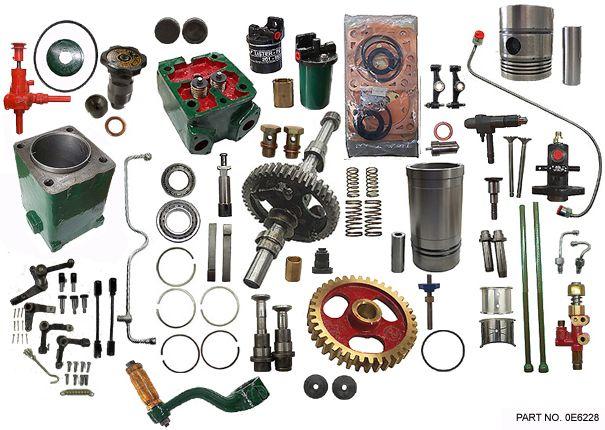
Buying diesel engine spare parts often feels simple at first glance, yet many buyers face trouble after the purchase. A wrong choice can reduce engine life, cause breakdowns, or stop work at the worst moment. These problems do not appear because engines lack strength. They appear because buyers miss small but critical details during selection. This guide explains those details in clear language, so you can make confident decisions without stress or regret.
Why Careful Selection Matters
Diesel engines power trucks, generators, marine vessels, farm equipment, and factory machines. Each engine works under heavy load and heat. Every component inside it must match that pressure. When one part fails, it pulls other parts into damage. Because of this chain effect, a single poor choice can lead to wide repair work and lost time.
Many buyers focus only on speed or availability. That approach invites risk. A better method involves patience, clarity, and basic checks that anyone can learn. When you understand what to inspect, you protect both the engine and your investment.
Understanding the Role of Each Component
Every spare part performs a specific task. Injectors spray fuel, filters block dirt, pistons compress air, and bearings reduce friction. None of these items works alone. Each one depends on others for balance and timing.
Confusion often starts when buyers treat parts as identical. Two injectors may look similar, yet small design changes affect spray pattern and pressure. These differences decide how fuel burns inside the cylinder. When combustion suffers, power drops and wear rises.
A clear understanding of function helps buyers avoid mismatched components. Even a basic idea of how a part supports engine health makes a strong difference.
Common Mistakes Buyers Make
Choosing Parts Without Engine Data
Many people order parts without checking engine model, serial number, or build year. This habit leads to poor fit and poor performance. Engine makers adjust designs across production runs. A part that suits one version may fail in another.
Always collect full engine details before purchase. That habit prevents guesswork and wasted effort.
Ignoring Material Quality
Material choice shapes durability. Low-grade alloys warp under heat and crack under load. Seals made from weak compounds harden and leak. These failures appear fast and cause further damage.
Strong materials resist heat, pressure, and friction. They support steady operation across long hours. When buyers ignore material quality, engines pay the price.
Trusting Visual Similarity
Some parts appear identical at first glance. Dimensions may match, yet internal tolerances differ. Those small gaps decide oil flow, pressure, and heat control.
Relying on appearance invites error. Technical data matters more than looks.
Skipping Compatibility Checks
Compatibility extends beyond size. It includes fuel type, operating speed, emission system, and cooling design. A part that suits one duty cycle may fail under another.
Checking compatibility avoids stress on surrounding components.
How to Verify Compatibility with Confidence
Before placing an order, buyers should follow a short verification routine. This routine saves time and protects engine life.
Step One: Confirm Engine Identification
Write down engine make, model, serial number, and application. Use the engine plate or manual for accuracy. This information guides correct selection.
Step Two: Match Part Numbers
Original manuals list part numbers for each component. Cross-check these numbers with supplier catalogues. This step reduces mismatch risk.
Step Three: Review Technical Specifications
Look at pressure ratings, temperature limits, and material type. These figures show whether the part suits the engine’s working conditions.
Step Four: Seek Documentation
Ask for data sheets or certificates. Reliable suppliers provide clear records. These documents support traceability and quality assurance.
Before reviewing the table below, note how a structured check helps buyers avoid guesswork and confusion. The table outlines key checks that support safe selection.
| Check Area | What to Confirm | Why It Matters |
|---|---|---|
| Engine ID | Model and serial number | Ensures correct fit |
| Part Number | Matches manual listing | Prevents mismatch |
| Material | Heat and wear resistance | Extends service life |
| Rating | Pressure and temperature limits | Protects engine under load |
| Documentation | Data sheets and certificates | Confirms quality |
The Risk of Poor Storage and Handling
Even high-quality parts fail when storage conditions harm them. Moisture causes corrosion. Dust enters sealed surfaces. Sunlight degrades rubber components.
Buyers should inspect packaging on arrival. Seals should remain intact. Metal surfaces should show no rust. Rubber parts should feel firm, not brittle.
Proper handling matters too. Dropping precision components damages internal surfaces. Clean hands and tools protect delicate areas during inspection.
Understanding Counterfeit and Grey Market Parts
Counterfeit parts flood many markets. These items copy appearance but ignore engineering standards. They often use weak materials and poor machining.
Grey market parts pose another challenge. These items may come from surplus stock or unauthorised channels. Storage history often remains unknown. Without traceability, buyers carry full risk.
Signs of suspect parts include missing documentation, unclear markings, and inconsistent packaging. Careful inspection reduces exposure to these risks.
Why Documentation Deserves Attention
Documentation proves origin and specification. Certificates of conformity, test reports, and manuals show how a part meets standards.
Some buyers skip paperwork to save time. This choice removes protection. Without records, warranty claims become difficult. Clear documentation supports accountability and trust.
Always keep copies of documents with maintenance records. This practice supports future service planning.
The Impact of Poor Fit on Engine Health
Poor fit causes vibration, leaks, and uneven wear. Bearings may spin. Seals may fail. Injectors may spray fuel at the wrong angle.
These issues do not stay small. Vibration spreads through the engine. Wear accelerates. Fuel efficiency drops. Repair scope expands.
Correct fit supports balance and smooth operation. Engines reward accuracy with long service life.
Maintenance Planning Starts at Purchase
Buying the right part supports maintenance planning. When parts match specification, service intervals remain predictable. Unexpected failures decline.
Maintenance teams benefit from consistency. They learn how the engine behaves with correct components. This knowledge improves diagnosis and response.
Smart purchasing lays the foundation for reliable operation.
Environmental and Operational Considerations
Engines operate in varied environments. Dusty sites challenge filters. Marine settings expose parts to salt. Cold climates stress seals and fuel systems.
Buyers must consider operating conditions during selection. A part suited for one environment may fail in another. Matching design to environment protects performance.
How to Build a Reliable Purchasing Process
A clear process reduces mistakes. This process does not require complex tools. It requires discipline and awareness.
Start with engine data collection. Move to specification review. Confirm documentation. Inspect delivery condition. Record part details for future reference.
Each step supports the next. Together, they create confidence and control.
Educating Teams and Operators
Many purchasing errors begin with gaps in knowledge. Training helps teams recognise risks and warning signs.
Operators who understand part function report issues early. Maintenance staff who know specifications avoid shortcuts. Shared knowledge strengthens reliability.
Simple training sessions and reference guides support this goal.
Long-Term Value Comes from Correct Choices
Short-term convenience often tempts buyers. Yet long-term value comes from accuracy and care. Engines that receive correct components deliver steady output and long service.
Downtime costs more than careful selection. Repairs disrupt schedules and increase workload. Preventive thinking reduces these pressures.
Wise choices protect both machines and people.
Final Thoughts
Avoiding costly mistakes during spare part purchasing does not require expert training. It requires attention, patience, and respect for engine design. By understanding function, verifying compatibility, checking documentation, and handling parts with care, buyers protect engines from harm.
Each correct decision builds reliability. Each avoided mistake saves time and effort. When buyers treat selection as part of maintenance, engines respond with strength and endurance.

 English
 Arabic
 French
 Spanish
 Portuguese
 Turkish
 Dutch
Dutch
 Italiano
 Russian
 Romaian
 Portuguese (Brazil)
 Greek
Greek