


Does Acupuncture Really Help With Weight Loss? Evidence & Expert Insights (2026)
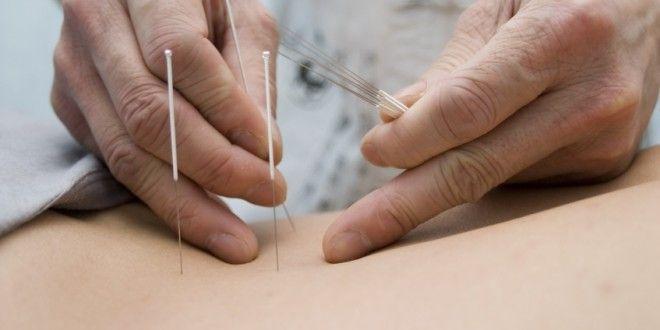
Many people search for gentle ways to manage weight without harsh plans or strict rules. In that search, acupuncture for weight loss appears as a calm, natural option. Stories fill social feeds. Friends share success tales. Clinics promise balance and control. Yet one clear question remains: does it work?
This guide explores that question with care. You will learn how acupuncture links to weight, what science shows, and what experts say in 2026. You will also see where hope meets limits. The aim stays simple: help you decide with clear facts and plain language.
What Is Acupuncture?
Acupuncture grew from Traditional Chinese Medicine. Practitioners place fine needles at points on the body. These points connect to energy paths called meridians. The goal stays balance.
Modern medicine views this through nerves, blood flow, and chemical signals. When a needle enters the skin, it sparks a response in the nervous system. That response releases endorphins and other messengers. These messengers shape pain, mood, hunger, and sleep.
Weight links to all these systems. Stress lifts appetite. Poor sleep shifts hormones. Pain blocks movement. Acupuncture touches each area.
How Weight Gain Happens
Weight change rests on energy. The body stores excess fuel as fat. Yet that process depends on more than food.
-
Hormones steer hunger and fullness
-
Stress hormones drive cravings
-
Sleep loss alters sugar control
-
Pain limits movement
-
Mood shapes habits
A method that calms stress, steadies sleep, and lifts movement may guide weight change. This is where acupuncture enters the picture.
What Science Shows in 2026
Researchers across Asia, Europe, and North America study acupuncture and weight. Trials compare it with sham needling, diet plans, and no treatment.
Most studies show modest change. Participants lose small amounts of weight over weeks. The change beats no treatment in many trials. It does not match strict diet plans.
Researchers also note shifts in waist size, hunger scores, and blood sugar markers. Some trials show improved insulin response. Others show lower stress markers.
The evidence remains mixed. Study quality varies. Sample sizes stay small. Yet patterns emerge. Acupuncture seems to help people feel control over hunger. It may soften stress. It may ease pain that blocks exercise.
Experts in 2026 agree on one point: acupuncture alone does not cause large weight loss. It supports change rather than replaces effort.
How Acupuncture May Support Weight Change
1. Hunger Signals
Needling certain points influences the hypothalamus, a brain region that manages hunger. Studies show shifts in leptin and ghrelin, two key appetite hormones. Many patients report fewer cravings.
2. Stress Load
Stress pushes the body toward fat storage. Acupuncture lowers cortisol in some trials. Lower stress can cut emotional eating.
3. Sleep Quality
Better sleep improves sugar control and hunger balance. People who sleep well choose food with care. Acupuncture often improves sleep patterns.
4. Pain Relief
Joint pain, back pain, and headaches stop people from moving. Pain relief opens space for walking and exercise.
Each path links to behaviour. Acupuncture sets the stage. The person still walks through the door.
Expert Views in 2026
Clinicians now frame acupuncture as a tool, not a cure. Nutritionists pair it with mindful eating. Doctors use it for stress-linked obesity. Therapists see it as a bridge for people who fail with strict plans.
Experts stress honesty. They tell patients to expect small steps. They ask patients to track food and sleep. They remind people that needles do not burn fat.
This balanced view protects trust. It also raises success rates. When people see acupuncture as support, they engage with change.
What a Typical Programme Looks Like
A programme may start with weekly sessions. The practitioner checks pulse, tongue, sleep, and mood. Needles target the ear, abdomen, and limbs.
Each session lasts around thirty minutes. Many people feel calm. Some feel light warmth or tingling.
After several weeks, visits drop. Practitioners suggest water intake, light movement, and simple food habits. They may teach breathing.
Results vary. Some lose a few kilos. Some feel less hunger. Some gain energy without scale change.
Evidence at a Glance
Before the table, it helps to see how research categories differ. Studies group outcomes by type. This view shows where acupuncture shows promise and where it falls short.
| Area Studied | Common Findings | Strength of Evidence |
|---|---|---|
| Body weight | Small reduction over weeks | Moderate |
| Waist circumference | Mild decrease | Moderate |
| Appetite control | Reduced hunger scores | Moderate |
| Stress markers | Lower cortisol in some trials | Low to Moderate |
| Long-term maintenance | Limited data | Low |
The table shows promise with limits. It also shows why experts avoid bold claims.
Who May Benefit Most
Some people respond better than others.
-
Those with stress-driven eating
-
People with chronic pain
-
Individuals with sleep problems
-
Anyone who resists strict plans
People with hormonal disorders still need medical care. Acupuncture can assist but not replace treatment.
Common Myths
“Needles melt fat.”
No needle breaks fat cells. Weight change follows behaviour and body chemistry.
“One session fixes appetite.”
Change takes time. The body needs repeated signals.
“It works for everyone.”
Bodies differ. Some respond. Some feel no change.
Clearing myths builds realistic hope.
Safety and Side Effects
Acupuncture carries low risk when trained hands guide it. Minor bruising or soreness may appear. Infection risk stays low with sterile needles.
People with bleeding disorders should speak with doctors. Pregnant women need specialised care.
Beyond Weight: Aesthetic Claims
Some clinics link weight plans with skin tone goals and mention acupuncture face lift. This refers to cosmetic needling for muscle tone and circulation. It does not lift tissue like surgery. It may boost glow and firmness. It does not reshape bone or remove fat.
This shows a wider trend. Acupuncture now spans wellness, pain care, and appearance. Each area needs clear limits.
How to Decide
Ask these questions:
-
Do I seek calm rather than fast change?
-
Can I pair sessions with simple habits?
-
Do I accept slow progress?
-
Can I commit for several weeks?
If you answer yes, acupuncture may suit you.
Pair it with walking, water, and sleep. Track hunger and mood. Keep goals small.
The Bottom Line
Acupuncture does not replace effort. It does not erase calories. It does not solve weight alone.
It can lower stress. It can steady hunger. It can ease pain. These changes help people act with care.
In 2026, experts view acupuncture as a bridge. It links intention with action. It supports the body while the mind learns new habits.
Weight change remains a journey. Acupuncture offers a calm companion on that path.

 English
 Arabic
 French
 Spanish
 Deutsch
 Turkish
 Dutch
Dutch
 Italiano
 Russian
 Romaian
 Portuguese (Brazil)
 Greek
Greek