


Embroidery Digitising Process Explained Step by Step
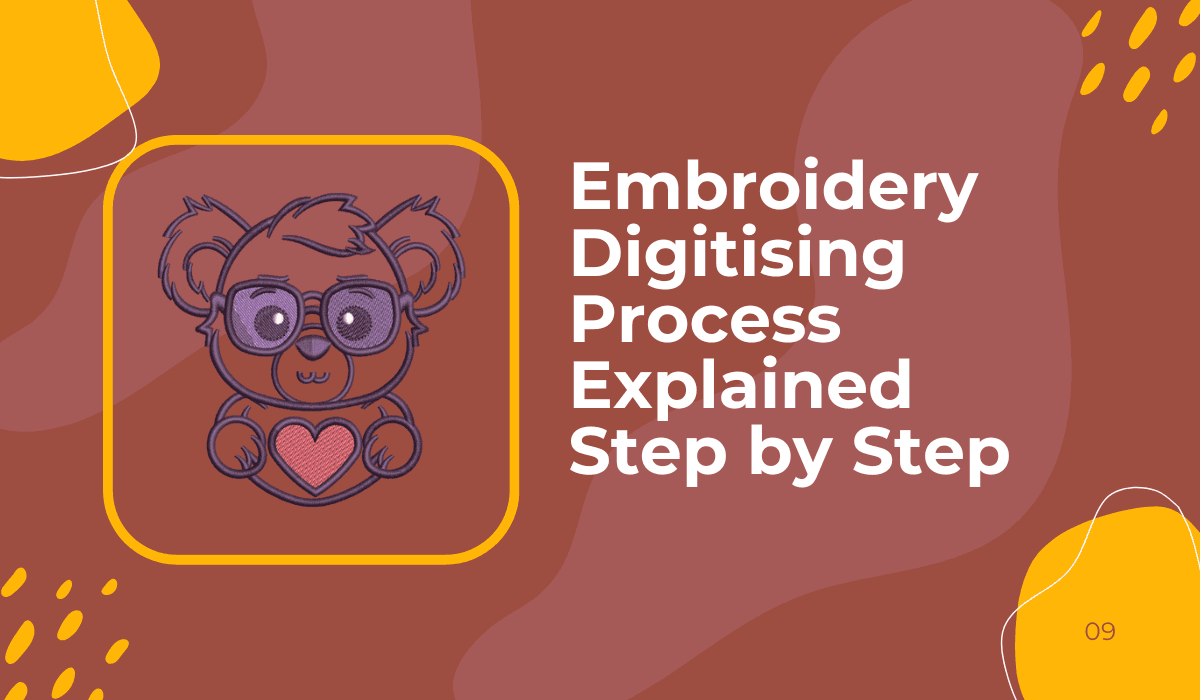
A embroidery digitising is the foundation of high-quality machine embroidery. It is the process of converting artwork into stitch instructions that embroidery machines can read and execute accurately. Each step in this process plays a vital role in achieving clean stitching, proper alignment, and professional results.
Understanding the step-by-step workflow helps businesses, designers, and embroidery operators recognize why quality digitising matters before production begins.
Step 1 – Reviewing the Original Artwork
The digitising process starts with a detailed review of the artwork provided by the client. This step helps identify potential challenges before conversion begins.
During artwork review, professionals focus on:
-
Design complexity
-
Fine details and text size
-
Color count and layering
This analysis ensures the design is suitable for embroidery and helps plan the stitching strategy.
Step 2 – Selecting the Right Stitch Types
Different design elements require different stitch types to achieve the best result.
Common stitch types include:
-
Satin stitches for text and borders
-
Fill stitches for large areas
-
Running stitches for fine details
Selecting the correct stitch type ensures visual clarity and stitch stability on fabric.
Step 3 – Defining Stitch Direction and Flow
Stitch direction affects both appearance and fabric behavior. Poor stitch flow can make embroidery look uneven or distorted.
Professionals define stitch direction to:
-
Improve visual depth
-
Enhance readability
-
Reduce fabric stress
Consistent stitch flow contributes to a polished final look.
Step 4 – Adjusting Stitch Density
Stitch density controls how closely stitches are placed. Incorrect density can cause fabric puckering or weak embroidery.
Balanced density helps by:
-
Preventing thread breaks
-
Maintaining fabric flexibility
-
Improving durability
Density adjustments vary depending on fabric type and design size.
Step 5 – Planning Stitch Sequence
Stitch sequence determines the order in which the design is stitched. Proper sequencing reduces production issues.
Good stitch sequencing:
-
Minimizes thread trims
-
Reduces jump stitches
-
Improves machine efficiency
This step also helps maintain design alignment.
Step 6 – Handling Small Text and Fine Details
Text and small elements require special attention during digitising.
Professionals manage fine details by:
-
Adjusting stitch length
-
Simplifying shapes when necessary
-
Ensuring letter spacing remains clear
This prevents merging and improves readability.
Step 7 – Applying Underlay Stitches
Underlay stitches provide a foundation for top stitches. They help stabilize fabric and improve coverage.
Underlay stitches:
-
Reduce fabric movement
-
Improve stitch consistency
-
Enhance design sharpness
Proper underlay selection is essential for professional results.
Step 8 – Adapting the Design for Fabric Type
Different fabrics behave differently during embroidery. A design that works on one fabric may fail on another.
Digitising adjustments are made for:
-
Stretch fabrics
-
Thick materials
-
Lightweight textiles
These adjustments ensure stitch stability and prevent distortion.
Step 9 – Setting Machine Parameters
Machine settings must align with the digitised file for smooth production.
Professionals consider:
-
Stitch length limits
-
Machine speed
-
Thread type compatibility
Correct settings help avoid production interruptions.
Step 10 – Test Stitching and Sample Review
Before final delivery, test stitching is performed to check design performance on fabric.
This step helps identify:
-
Stitch gaps or overlaps
-
Tension issues
-
Alignment errors
Necessary adjustments are made based on test results.
Step 11 – Quality Control and Final Checks
Quality control ensures the design meets professional embroidery standards.
Final checks include:
-
Reviewing stitch paths
-
Verifying density and direction
-
Confirming file accuracy
Only error-free designs move to production.
H2: Step 12 – Exporting the Final Embroidery File
After approval, the digitised design is saved in the required machine format.
Common formats include:
-
DST
-
PES
-
EXP
-
JEF
Providing the correct format ensures compatibility with embroidery machines.
Why Following a Step-by-Step Process Matters
Skipping steps in digitising often leads to production problems.
A structured process:
-
Improves stitch quality
-
Reduces rework
-
Saves time and materials
Professional results depend on careful execution at every stage.
Conclusion
The embroidery digitising process involves far more than simple file conversion. Each step, from artwork review to final quality checks, directly influences stitch accuracy, durability, and overall appearance. By following a structured, step-by-step workflow, embroidery professionals can ensure reliable production results and consistent quality. This disciplined approach reflects the quality standards maintained by Emdigitizing in professional embroidery preparation.
FAQs
Q1. What is the first step in embroidery digitising?
The process begins with reviewing the original artwork to assess complexity and suitability.
Q2. Why is stitch density important?
Proper density prevents fabric damage and ensures clean, durable embroidery.
Q3. Does fabric type affect digitising?
Yes, different fabrics require specific stitch adjustments for stability.
Q4. Why is test stitching necessary?
Test runs help identify issues before full production begins.
Q5. Can skipping steps affect stitch quality?
Yes, skipping steps often leads to poor stitching and production errors.

 English
 Arabic
 French
 Spanish
 Deutsch
 Turkish
 Dutch
Dutch
 Italiano
 Russian
 Romaian
 Portuguese (Brazil)
 Greek
Greek