


How to Prevent Injuries Caused by Using Unsuitable Equipment
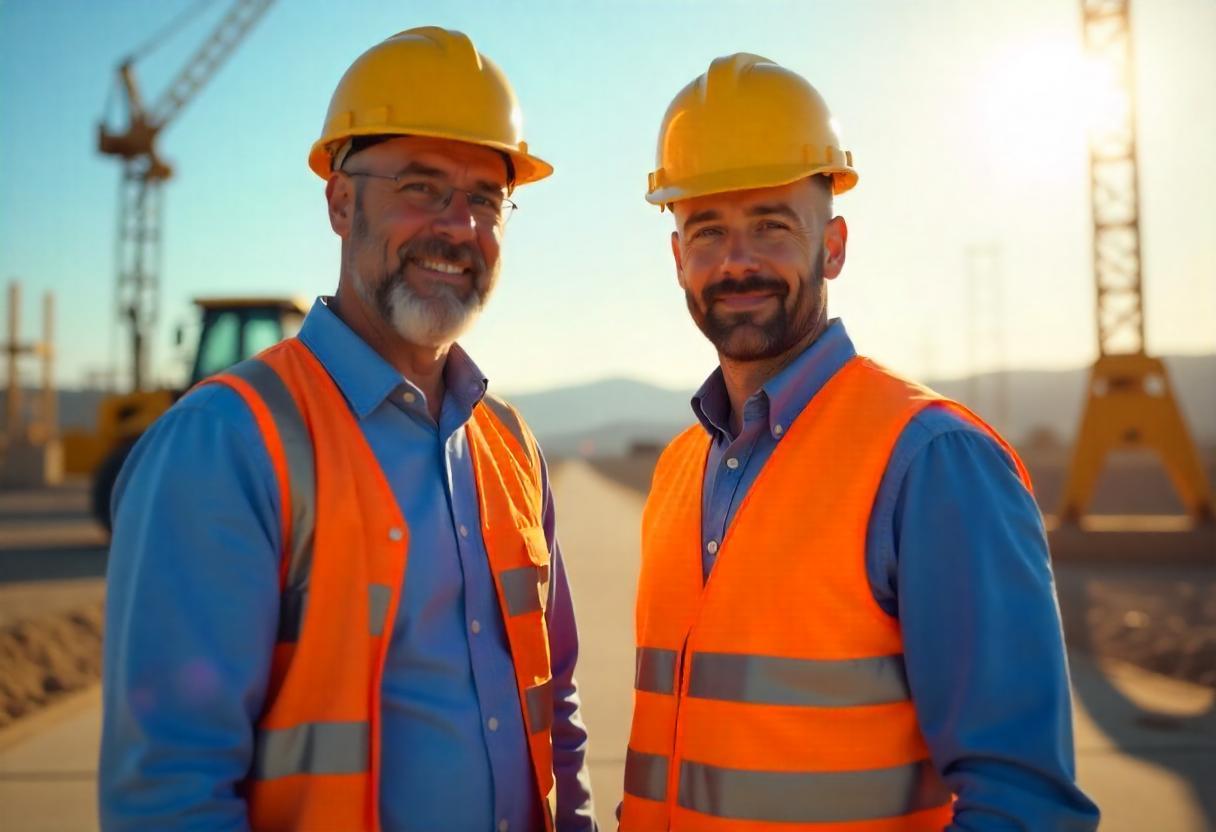
Have you ever picked up a tool at work and thought, “This doesn’t feel right,” but used it anyway? Maybe it was a cracked ladder, a heavy machine without proper guards, or a chair that left your back aching by lunchtime. These small compromises often feel harmless in the moment, yet they are one of the most common reasons people get injured at work.
Injuries caused by unsuitable equipment are rarely dramatic at first. They build quietly through poor choices, lack of training, or pressure to get the job done quickly. Understanding how and why these injuries happen is a core topic in professional safety education, including the NEBOSH course in Pakistan, where learners are trained to recognize hidden risks before they turn into accidents.
This guide will walk you through what unsuitable equipment really means, how it leads to injuries, and most importantly, what practical steps individuals and organizations can take to prevent harm.
What Does “Unsuitable Equipment” Really Mean?
Unsuitable equipment is not just broken equipment. It includes anything that is inappropriate for the task, the user, or the environment.
Equipment may be unsuitable if it is:
-
Designed for a different purpose than how it is being used.
-
Incorrectly sized or poorly adjusted for the user.
-
Outdated and lacking modern safety features.
-
Poorly maintained or partially damaged.
-
Used without proper accessories or protective components.
For example, using a domestic ladder on a construction site might save time, but it is not designed to handle heavy loads or uneven surfaces. The risk is built in from the start.
Why Injuries from Unsuitable Equipment Are So Common
One reason these injuries are widespread is familiarity. Workers often adapt to unsafe tools instead of questioning them. Over time, shortcuts become habits.
Common contributing factors include:
-
Lack of training on proper equipment selection.
-
Cost cutting that prioritizes cheap tools over safe ones.
-
Poor supervision or unclear safety responsibilities.
-
Overconfidence, especially among experienced workers.
-
Pressure to meet deadlines at any cost.
In many injury investigations, the equipment did not fail suddenly. It was simply never the right choice to begin with.
The Hidden Types of Injuries Caused by Wrong Equipment
Not all injuries are immediate or visible. Some develop slowly and are harder to trace back to their source.
Musculoskeletal Disorders
Poorly designed tools, awkward handles, or incorrect seating can lead to back pain, wrist strain, and shoulder injuries. These issues often build over months and may become permanent.
Cuts, Crushes, and Impact Injuries
Machines without guards, unstable platforms, or unsuitable lifting devices can cause sudden accidents such as crushed fingers or deep cuts.
Slips, Trips, and Falls
Using the wrong footwear, ladders, or access equipment significantly increases fall risk, especially in wet or uneven environments.
Long-Term Health Effects
Vibration, noise, and poor ergonomics can cause chronic conditions such as hearing loss or nerve damage when equipment is not designed for prolonged use.
How to Identify Unsuitable Equipment Before an Accident Happens
Prevention always starts with awareness. Spotting unsuitable equipment early can save lives.
Ask these simple questions:
-
Is this tool designed specifically for this task?
-
Does it match the user’s physical capabilities?
-
Is it suitable for the environment, such as heat, moisture, or dust?
-
Are safety features present and functional?
-
Has it been inspected and maintained regularly?
If the answer to any of these questions is no, the equipment should not be used until the issue is resolved.
The Role of Risk Assessment in Equipment Safety
Risk assessment is not just paperwork. It is a thinking process that forces you to slow down and evaluate real-world conditions.
An effective equipment risk assessment includes:
-
Identifying hazards related to equipment use.
-
Evaluating who might be harmed and how.
-
Considering whether the equipment is appropriate.
-
Implementing control measures such as replacement or modification.
-
Reviewing the assessment regularly.
Training programs often emphasize that risk assessment should happen before work begins, not after something goes wrong.
Training as a Foundation for Safe Equipment Use
Even the best equipment becomes dangerous in untrained hands. Training bridges the gap between design and real-world use.
Quality safety training helps workers:
-
Choose the right equipment for specific tasks.
-
Understand equipment limitations.
-
Adjust tools correctly for comfort and safety.
-
Recognize early signs of wear or malfunction.
-
Feel confident to stop work when equipment is unsafe.
This is where structured qualifications play a vital role. Courses aligned with international standards teach not just rules, but the reasoning behind them.
Real-Life Example: The Wrong Tool for the Job
Consider a warehouse worker asked to move heavy boxes using a damaged trolley. One wheel sticks, forcing the worker to twist their body repeatedly. At first, it seems manageable. After weeks of use, the worker develops severe lower back pain and requires medical leave.
The injury did not come from lifting a single heavy box. It came from using unsuitable equipment day after day. Replacing the trolley early would have cost far less than lost productivity and medical expenses.
Creating a Culture Where Equipment Safety Comes First
Policies alone do not prevent injuries. Culture does.
A strong safety culture encourages people to:
-
Report unsuitable equipment without fear.
-
Refuse unsafe tasks when necessary.
-
Participate in equipment selection decisions.
-
Look out for each other’s safety.
Management plays a key role by leading through example and responding promptly to safety concerns.
Practical Steps to Prevent Injuries from Unsuitable Equipment
Step 1: Match Equipment to the Task
Never adapt a task to fit the equipment. Always select equipment designed for the job.
Step 2: Involve Users in Equipment Selection
Workers know what feels right and what does not. Their input is invaluable.
Step 3: Maintain and Inspect Regularly
Routine inspections help catch issues before they cause harm.
Step 4: Provide Ongoing Training
Refresher training ensures safe practices do not fade over time.
Step 5: Replace Instead of Repair When Necessary
Some equipment becomes unsafe even after repair. Knowing when to replace is critical.
Step 6: Document and Review Incidents
Near misses often reveal unsuitable equipment long before injuries occur.
How Professional Safety Courses Strengthen Prevention
Formal safety education helps individuals think systematically about hazards. Learners gain the confidence to challenge unsafe practices and the knowledge to propose better solutions.
Many professionals consider training not as an expense, but as an investment in long-term career growth and workplace credibility. Understanding safety principles also opens doors to supervisory and management roles across industries.
Understanding Training Costs and Value
When exploring professional development, many learners naturally compare training options and expenses. Discussions around the NEBOSH course fee in Pakistan often focus on affordability, but value matters more than price alone.
A well-structured course offers:
-
Internationally recognized certification.
-
Practical skills applicable across industries.
-
Improved employability and career mobility.
-
A deeper understanding of risk management and prevention.
Choosing the right training can significantly influence how effectively you prevent equipment-related injuries in real workplaces.
FAQs
What is considered unsuitable equipment in the workplace?
Unsuitable equipment is any tool or machine that is not designed for the task, environment, or user, or lacks proper safety features.
Can training really prevent equipment-related injuries?
Yes. Training helps workers recognize hazards, choose appropriate equipment, and use it correctly, reducing injury risk significantly.
Who is responsible for ensuring equipment suitability?
Responsibility is shared. Employers must provide safe equipment, while workers must use it correctly and report issues.
Are ergonomic tools worth the investment?
Absolutely. Ergonomic equipment reduces strain injuries, improves productivity, and lowers long-term health costs.
How often should equipment be inspected?
Inspection frequency depends on usage and risk level, but high-risk equipment should be checked daily or before use.
Conclusion
Preventing injuries caused by unsuitable equipment is not about blame. It is about awareness, education, and proactive decision-making. Small choices, such as selecting the right tool or refusing to use damaged equipment, can prevent life-changing injuries.
By combining practical workplace measures with professional safety education, individuals and organizations can build safer environments where people thrive instead of merely cope. Whether you are just starting your career or aiming to advance into safety leadership, understanding equipment suitability is a skill that protects both lives and futures.
The safest workplaces are not accident-free by luck. They are built by informed people who choose the right equipment, every single time.

 Arabic
 French
 Spanish
 Portuguese
 Deutsch
 Turkish
 Dutch
Dutch
 Italiano
 Russian
 Romaian
 Portuguese (Brazil)
 Greek
Greek