


Marine Telephone: Choosing Reliable Marine Common Battery Telephones for Dubai Vessels
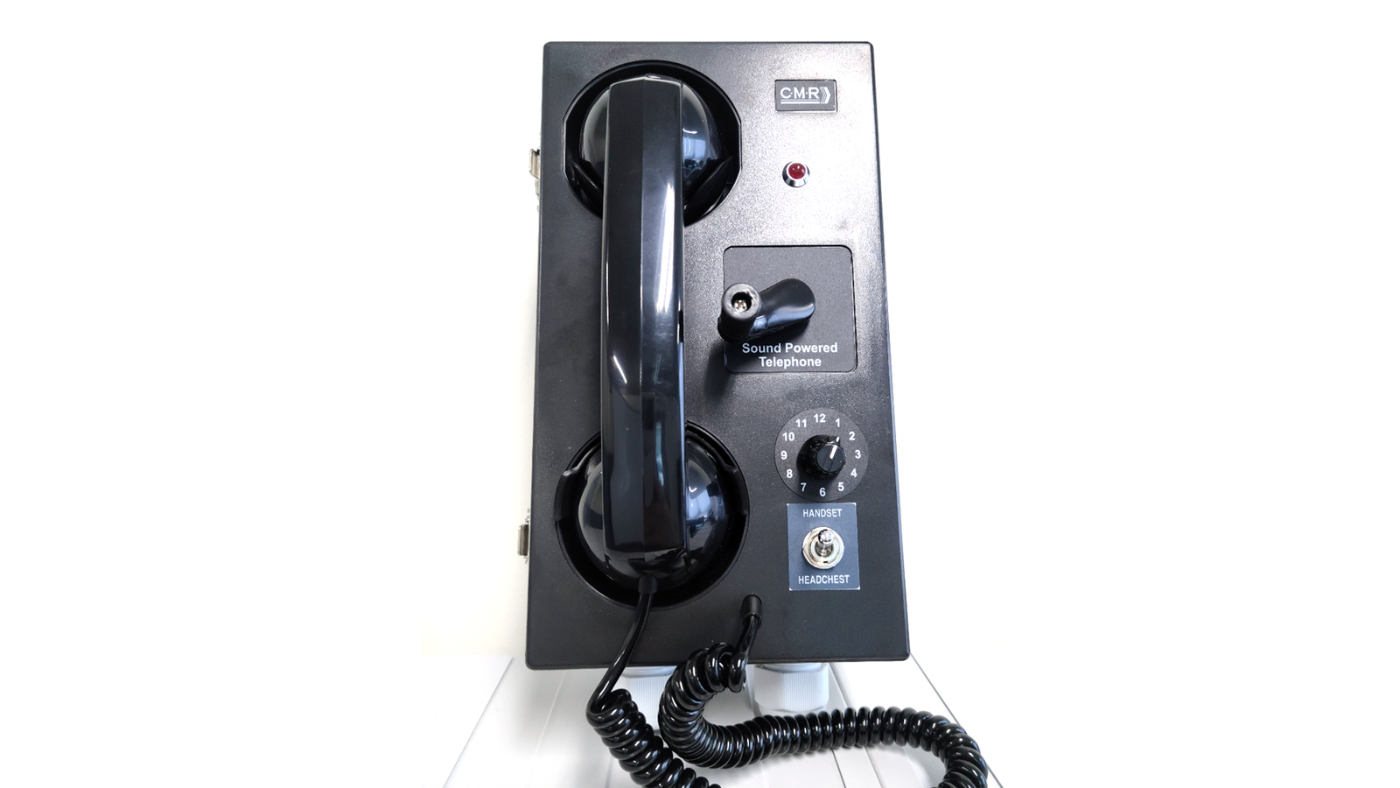
Marine telephones keep shipboard teams connected when lives and cargo depend on clear voice links. This guide explains marine common battery telephone systems, buying criteria, service needs, and where to get support in Dubai.
TL;DR:
-
Best marine telephones are rugged 24V DC units powered from a common battery system.
-
Use intrinsically safe, weatherproof phones for hazardous or exposed areas.
-
Choose configuration (1:1, 1:2, multi-link) by operations and redundancy needs.
-
For Dubai support, authorized suppliers offer 24/7 service and class documentation.
What is a marine/common battery telephone system?
Summary: A marine common battery telephone is a shipboard voice network powered centrally.
Definition: A common battery telephone system uses a single 24V DC supply to power multiple telephones. This design keeps voice links alive during local power faults and reduces wiring complexity.
Examples: Typical setups include bridge-to-engine room 1:1 pairs and multi-link networks for larger vessels. Modern marine telephones are inherently rugged and often certified for hazardous zones.
Stat: Many commercial ships use 24V DC systems for reliability and safety.
Use cases, benefits & features
Summary: Marine telephones serve safety, routine operations, and emergency coordination.
Benefits: They provide direct voice paths during alarms, power disturbances, and heavy vibration. *Robust handsets, sealed keypads, and corrosion-resistant materials extend service life.*
Key features to require: IP66/IP67 protection, ATEX or IECEx approval for hazardous areas, stainless steel fixtures, and replaceable handset cords. Integration often includes PABX, PA/GA and alarm interface capabilities.
Use cases: Tanker deck manifold calls require intrinsically safe units. Cargo ships use multi-station networks for cargo handling coordination. Offshore vessels often combine telephones with PABX for crew communications.
Buying & specification questions
Summary: Choose a system by environment, topology, and integration needs.
Checklist: Confirm voltage (24V DC), hazardous approvals, IP rating, and handset durability. Decide between 1:1 pairs for critical links and multi-link systems for operational coverage.
Cost and lifespan: Expect 7–15 years with proper maintenance. Initial cost varies by model, approvals, and installation complexity.
Documentation: Ask suppliers for test certificates, makers declarations for hazardous areas, wiring diagrams, and class approval guidance. For Dubai buyers, local service and documentation speed up commissioning.
Supplier note: For product options and regional support, view the marine common battery telephone page from an authorized Dubai supplier. Use that page to request datasheets and wiring diagrams.
Service, installation & support
Summary: Correct installation and rapid service keep telephone networks reliable.
Installation tips: Mount handsets away from direct spray and secure cables with marine-grade glands. Test loop resistance and polarity during commissioning.
Maintenance: Test call paths monthly and perform annual functional tests with recorded logs. Keep key spares like handsets and cords on board.
Local support: Choose vendors who provide 24/7 response and certified engineers in the UAE and nearby ports. Al Ghwasa offers regional service, spares, and commissioning support in Dubai and other Gulf ports.
Certifications: Validate installations against maritime standards from authorities such as the IMO and class rules from bodies like DNV.
Final summary:
A marine telephone built for ship conditions ensures clear, dependable voice links. Specify 24V DC common battery systems with hazardous approvals for exposed areas. Choose suppliers who provide local Dubai support, class documentation, and fast spares to reduce downtime. For product details and regional service, check the supplier landing page linked above or contact a certified marine communications provider.
FAQ
What is the difference between marine telephones and marine PABX?
Answer: Marine telephones are point-to-point or multi-link handsets. PABX manages many internal extensions and external trunking.
Why do marine telephones use 24V DC?
Answer: Ships commonly use 24V DC for critical systems. The voltage offers stable power and simplifies battery-backed networks.
Where are intrinsically safe telephones required on ships?
Answer: Required in hazardous areas like cargo manifolds and pump rooms. Classification depends on zone and cargo type.
How many stations does a cargo ship need?
Answer: Small cargo ships often use 6 6 stations. Larger vessels need 20 or more stations per operations layout.
Can older vessels retrofit new marine telephones?
Answer: Yes. Retrofits usually require new wiring, a central power supply, and updated documentation.
Who installs and maintains these systems in Dubai?
Answer: Authorized marine communication suppliers with certified technicians perform installation. Local vendors often provide 24/7 service and spare parts.

 Arabic
 French
 Spanish
 Portuguese
 Deutsch
 Turkish
 Dutch
Dutch
 Italiano
 Russian
 Romaian
 Portuguese (Brazil)
 Greek
Greek