


Commercial Contractors Explained: Roles, Responsibilities, and Costs
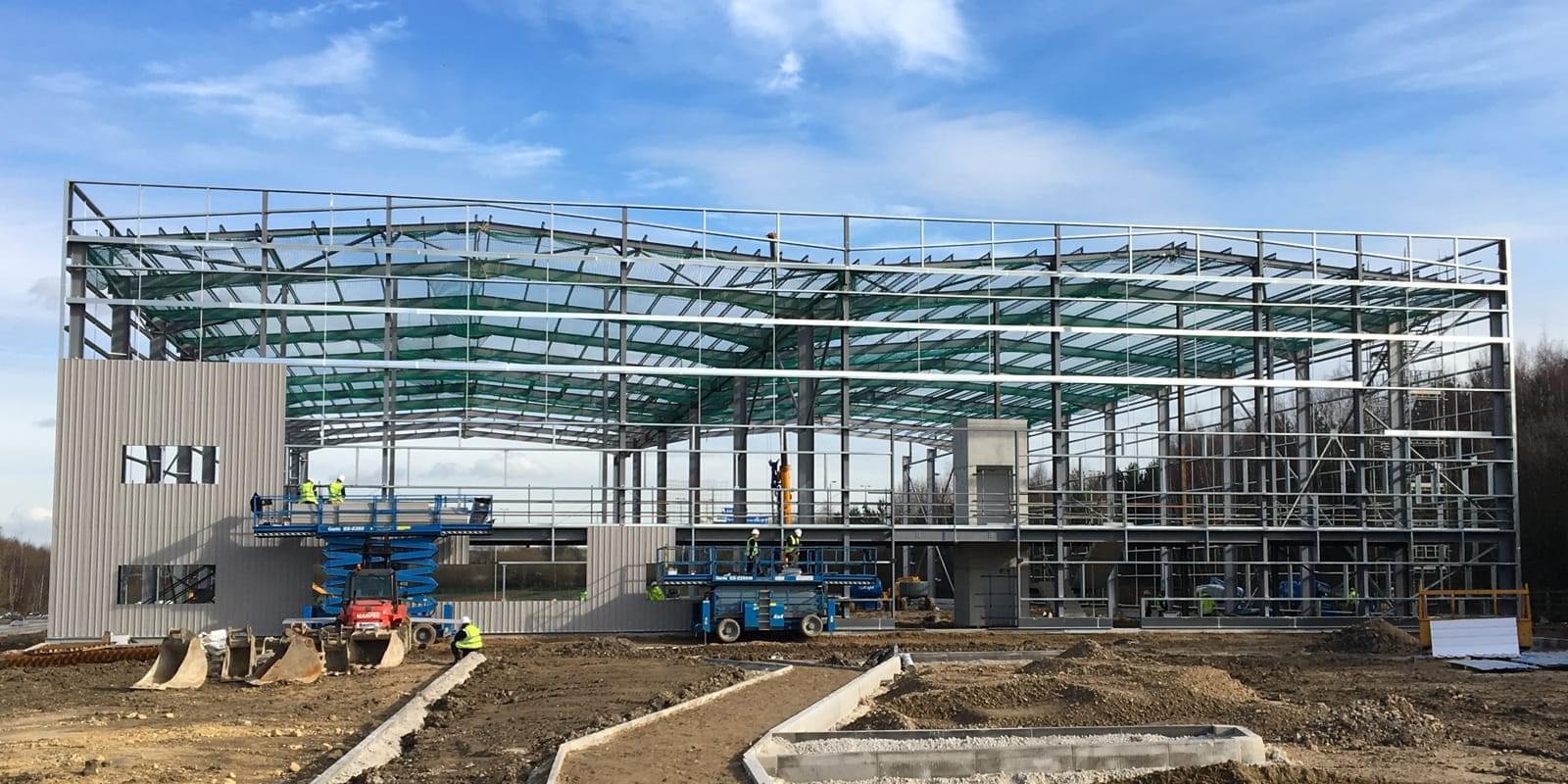
When planning a business construction project, choosing the right professionals can make the difference between a smooth delivery and costly delays. Commercial contractors play a central role in turning designs into fully functional commercial spaces while managing risk, budgets, and compliance.
This guide explains what commercial contractors do, their key responsibilities, how costs are calculated, and what businesses should consider before hiring one.
What Are Commercial Contractors?
Commercial contractors are construction professionals who specialise in building, refurbishing, and maintaining commercial properties rather than residential homes. These properties include offices, retail units, warehouses, schools, healthcare facilities, and industrial buildings.
Unlike domestic builders, commercial contractors work within stricter regulatory frameworks, larger budgets, and more complex project timelines. They often manage multiple trades, suppliers, and stakeholders while ensuring projects meet legal, safety, and quality standards.
The Core Role of Commercial Contractors
The primary role of commercial contractors is to deliver construction projects safely, efficiently, and within agreed budgets and timelines. Their responsibilities extend far beyond physical building work.
Key functions include:
-
Coordinating construction activities
-
Managing subcontractors and suppliers
-
Ensuring compliance with building regulations
-
Controlling project costs and schedules
-
Acting as the main point of communication for clients
This end-to-end responsibility allows businesses to focus on operations while construction professionals manage the complexities of delivery.
Key Responsibilities of Commercial Contractors
1. Project Planning and Management
Commercial contractors begin by reviewing designs, specifications, and timelines. They create structured project plans covering labour, materials, scheduling, and risk management.
This phase is critical for avoiding delays and ensuring realistic expectations from the outset.
2. Regulatory Compliance and Safety
Commercial construction is heavily regulated. Contractors must comply with:
-
Building regulations
-
Health and safety legislation
-
Fire safety standards
-
Environmental and accessibility requirements
Experienced commercial contractors ensure compliance at every stage, reducing the risk of fines, legal disputes, or project shutdowns.
3. Subcontractor and Workforce Management
Most commercial projects involve multiple specialist trades such as electricians, plumbers, steel fabricators, and HVAC engineers. Contractors coordinate these teams to ensure work is completed in the correct order and to required standards.
Effective workforce management prevents clashes, rework, and costly downtime.
4. Quality Control and Inspections
Maintaining quality is a core responsibility. Commercial contractors monitor workmanship, materials, and installations to ensure the finished building meets contractual and regulatory standards.
Regular inspections help identify issues early, avoiding expensive corrections later.
5. Budget Control and Cost Management
Controlling costs is one of the most important roles of commercial contractors. They monitor spending, manage variations, and provide clear reporting so clients understand where money is being allocated throughout the project.
Types of Projects Commercial Contractors Handle
Commercial contractors work across a wide range of sectors, including:
-
Office buildings and fit-outs
-
Retail and hospitality spaces
-
Industrial and warehouse facilities
-
Healthcare and education buildings
-
Commercial refurbishments and extensions
Each project type requires different expertise, which is why selecting contractors with relevant experience is essential.
How Commercial Contractor Costs Are Calculated
Understanding how commercial contractors price projects helps businesses plan budgets more effectively.
1. Labour Costs
Labour typically represents a significant portion of overall costs. This includes on-site workers, supervisors, and project managers.
2. Materials and Equipment
Costs vary depending on the quality of materials, structural requirements, and specialist equipment needed for the project.
3. Project Complexity
Larger or technically complex projects require more coordination, compliance checks, and specialist trades, which can increase costs.
4. Procurement and Competitive Bidding
Many projects use competitive bidding to ensure value. Commercial contractors may submit detailed tenders outlining scope, timelines, and pricing.
5. Contingencies and Variations
Unexpected issues such as structural changes or regulatory updates can affect budgets. Professional contractors include contingency planning to manage these risks.
Typical Commercial Contract Pricing Models
Commercial contractors may use different pricing structures depending on the project:
-
Fixed-price contracts – Cost agreed upfront
-
Cost-plus contracts – Actual costs plus an agreed margin
-
Design and build – Single contractor manages both design and construction
Each model has advantages depending on project size, risk tolerance, and budget flexibility.
Why Hiring Experienced Commercial Contractors Matters
Working with experienced commercial contractors offers clear benefits:
-
Reduced risk of delays and overspending
-
Better compliance with regulations
-
Higher quality workmanship
-
Clear communication and accountability
-
Improved long-term value for the property
For businesses, these benefits translate into fewer disruptions and better returns on investment.
How to Choose the Right Commercial Contractor
Before appointing a contractor, businesses should consider:
-
Proven experience with similar projects
-
Strong health and safety record
-
Transparent pricing and contracts
-
Clear communication processes
-
References and completed project examples
Choosing based solely on the lowest price can lead to higher long-term costs if quality or compliance is compromised.
Final Thoughts
Commercial contractors play a vital role in delivering safe, compliant, and cost-effective business construction projects. From planning and compliance to cost control and quality assurance, their expertise helps businesses navigate complex builds with confidence.
Understanding their roles, responsibilities, and pricing structures allows decision-makers to plan projects more effectively and select the right contractor for long-term success.

 Arabic
 French
 Spanish
 Portuguese
 Deutsch
 Turkish
 Dutch
Dutch
 Italiano
 Russian
 Romaian
 Portuguese (Brazil)
 Greek
Greek