


Window Glass for Optical Industry | Precision Optical Window Solutions
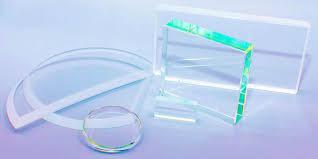
In the optical industry, even a small flaw in glass can cause serious performance issues. Blurred images, light distortion, reflection loss, and reduced system accuracy are common problems when low-quality or incorrect glass is used. Many optical devices fail to meet performance expectations simply because the window glass is not designed for optical precision.
High-quality window glass is engineered to protect sensitive optical components while allowing light to pass through with minimal distortion. From imaging systems to laser equipment, the right optical window glass plays a critical role in overall system performance.
Why Standard Glass Causes Problems in Optical Applications
Regular architectural or industrial glass is not suitable for optical systems. It often introduces defects that reduce accuracy and clarity.
Common issues include:
-
Light scattering and image distortion
-
Surface imperfections affecting precision
-
Poor transmission at specific wavelengths
-
Reflection losses without proper coatings
In optical instruments, these problems can lead to inaccurate measurements, reduced image quality, and system inefficiency.
What Makes Window Glass Suitable for the Optical Industry
Optical window glass is specially manufactured to meet strict optical requirements. Unlike standard glass, it is designed to maintain flatness, clarity, and consistency under demanding conditions.
Key characteristics include:
-
High optical transmission
-
Controlled thickness tolerance
-
Excellent surface quality
-
Compatibility with optical coatings
These features ensure that light passes through the glass without altering the beam path or image quality.
Types of Window Glass Used in Optical Systems
Optical Window Glass
Used in cameras, sensors, and imaging systems, this type offers high transparency and low distortion.
Laser Window Glass
Designed to handle high-energy laser beams while maintaining optical stability.
Infrared and UV Window Glass
Special materials allow transmission in infrared or ultraviolet ranges where normal glass fails.
Each type is selected based on wavelength, environment, and application requirements.
Common Applications of Window Glass in the Optical Industry
High-precision window glass is widely used in:
-
Optical imaging systems
-
Laser equipment and protective housings
-
Medical optical devices
-
Industrial inspection systems
-
Scientific and research instruments
In all these applications, window glass acts as a protective barrier while preserving optical accuracy and system performance.
Key Factors to Consider When Choosing Optical Window Glass
Before selecting window glass for an optical system, consider the following:
-
Optical clarity and transmission range
-
Surface flatness and scratch-dig quality
-
Environmental resistance (heat, moisture, chemicals)
-
Coating requirements for reflection control
Choosing the wrong glass can compromise the entire optical setup, even if other components are high quality.
Conclusion
In the optical industry, window glass is far more than a protective cover. It directly affects image quality, system accuracy, and long-term reliability. Poor glass selection can lead to distortion, signal loss, and reduced performance. By choosing the right optical window glass with proper specifications, optical systems can achieve higher precision, better durability, and consistent results across demanding applications.

 English
 Arabic
 French
 Spanish
 Portuguese
 Deutsch
 Turkish
 Dutch
Dutch
 Italiano
 Romaian
 Portuguese (Brazil)
 Greek
Greek