


Best Writing Desk for Home Use: A Practical Buying Guide
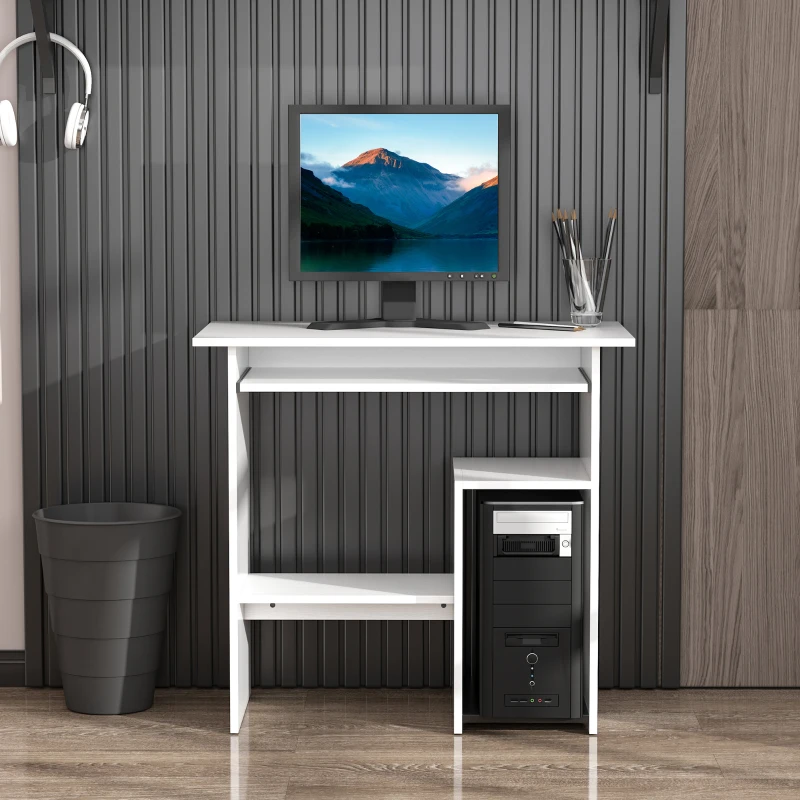
A writing desk may seem like a simple piece of furniture, but choosing the right one can significantly improve how comfortable, organised, and productive your home workspace feels. Whether you use it for remote work, studying, journaling, or creative projects, the right writing desk should support focus without taking over your room. Unlike bulky office desks, writing desks are designed to be practical, compact, and visually balanced, making them ideal for everyday home use.
This guide explains what makes a writing desk suitable for home use, how to choose the best option for your space, and which features truly matter so you can invest in a desk that fits your routine and your home.
What Is a Writing Desk?
A writing desk is typically a streamlined desk designed for light to moderate tasks such as writing, laptop work, reading, or planning. Compared to traditional office desks, writing desks usually have:
-
A slimmer profile
-
Fewer drawers or storage elements
-
A focus on surface space rather than equipment housing
This makes them easier to place in bedrooms, living rooms, or compact home offices without overwhelming the space.
Why a Writing Desk Is Ideal for Home Use
For many homes, space is limited, and not everyone needs a large workstation. Writing desks offer a practical balance between usability and size.
They are ideal for:
-
Remote workers using laptops
-
Students completing assignments
-
Creative writing or journaling
-
Light admin tasks like budgeting or planning
Their minimal design helps reduce visual clutter, which can make smaller rooms feel calmer and more organised.
Choosing the Right Size for Your Space
One of the most important factors when selecting a writing desk is size. A desk that is too large can dominate a room, while one that is too small may feel restrictive.
Desk Width
-
100–120 cm works well for laptops and notebooks
-
120–140 cm allows space for books or a second screen
Desk Depth
-
50–60 cm is usually sufficient for writing and laptop use
-
Deeper desks are helpful if you spread out materials
Desk Height
-
Standard desk height is around 73–75 cm
-
This suits most chairs and supports comfortable posture
Always measure your available floor space and allow room for a chair and leg movement.
The material of a writing desk affects durability, appearance, and maintenance. Choosing the right one depends on how often you’ll use the desk and the look you prefer.
Wood and Engineered Wood
-
Warm, classic appearance
-
Suitable for most interiors
-
Easy to clean with basic care
Engineered wood options offer consistency and affordability while maintaining a clean finish.
Metal Frames
-
Strong and stable
-
Often paired with wooden tops
-
Ideal for modern or minimalist spaces
Metal frames also help keep desks lightweight without compromising support.
Glass Tops
-
Create a light, open feel
-
Best for occasional use
-
Require regular cleaning
Glass desks work well in modern interiors but may feel less practical for daily writing.
Comfort and Ergonomics Matter More Than You Think
Even for light tasks, comfort is essential. A writing desk should allow you to sit naturally without strain.
Key comfort features include:
-
Adequate legroom under the desk
-
A flat, smooth surface for writing
-
Stable construction with no wobble
Pairing the desk with a supportive chair at the correct height is just as important as the desk itself.
Storage: How Much Do You Really Need?
One of the defining features of writing desks is minimal storage. However, some light storage can be helpful for home use.
Common storage options:
-
A single drawer for stationery
-
Open shelves for books or planners
-
Slim side compartments
If you rely heavily on storage, consider nearby shelving rather than choosing a bulky desk.
A writing desk should blend naturally with your existing furniture. Since it’s often placed in shared spaces, appearance matters.
Modern Homes
-
Clean lines
-
Neutral colours
-
Metal and wood combinations
Traditional or Cozy Spaces
-
Wood finishes
-
Soft edges
-
Natural tones
Small or Multi-Use Rooms
-
Slim profiles
-
Light colours
-
Simple designs
Choosing a desk that complements your décor helps maintain a cohesive look throughout your home.
Stability and Build Quality
A good writing desk should feel solid, even if it’s lightweight. Stability affects comfort, especially when writing by hand.
Check for:
-
Even leg support
-
Secure joints and fittings
-
Balanced weight distribution
A desk that shifts or creaks can quickly become distracting.
Writing Desks for Different Home Uses
Not all writing desks serve the same purpose. Identifying your main use helps narrow down the best option.
For Work-from-Home
-
Slightly wider surface
-
Space for laptop and documents
-
Optional drawer for essentials
For Students
-
Compact size
-
Easy-to-clean surface
-
Durable construction
For Creative Use
-
Extra surface depth
-
Comfortable writing height
-
Calm, uncluttered design
Tailoring the desk to your routine improves long-term satisfaction.
Assembly and Maintenance Considerations
Most writing desks are designed for straightforward assembly, but it’s still worth checking.
Look for:
-
Clear instructions
-
Minimal tools required
-
Easy-to-clean surfaces
Low-maintenance desks are ideal for busy households where time is limited.
Value, Durability, and Everyday Use
A writing desk should feel like a long-term solution, not a temporary fix. Instead of focusing only on price, consider overall value.
A well-chosen desk:
-
Supports daily use comfortably
-
Fits naturally into your space
-
Maintains stability over time
Brands like Aosom UK focus on functional, home-friendly desk designs that balance everyday practicality with clean styling, making them suitable for a wide range of living spaces.
Common Mistakes to Avoid When Buying a Writing Desk
Many buyers regret their choice due to small oversights. Avoid these common mistakes:
-
Choosing style over comfort
-
Ignoring room measurements
-
Overestimating storage needs
-
Selecting desks that are too deep or bulky
Taking a few extra minutes to plan prevents long-term frustration.
Finding the Best Writing Desk for Home Use
The best writing desk for home use is one that supports your daily tasks without overwhelming your space. By focusing on size, comfort, materials, and stability, you can choose a desk that feels natural in your home and practical for your routine. Writing desks excel because of their simplicity, offering just enough surface and support to stay productive while keeping rooms calm and organised. With thoughtful selection, a writing desk becomes more than furniture, it becomes a reliable part of your everyday home life.

 English
 French
 Spanish
 Portuguese
 Deutsch
 Turkish
 Dutch
Dutch
 Italiano
 Russian
 Romaian
 Portuguese (Brazil)
 Greek
Greek