


Audio Visual Communication: Transforming the Way We Share Ideas
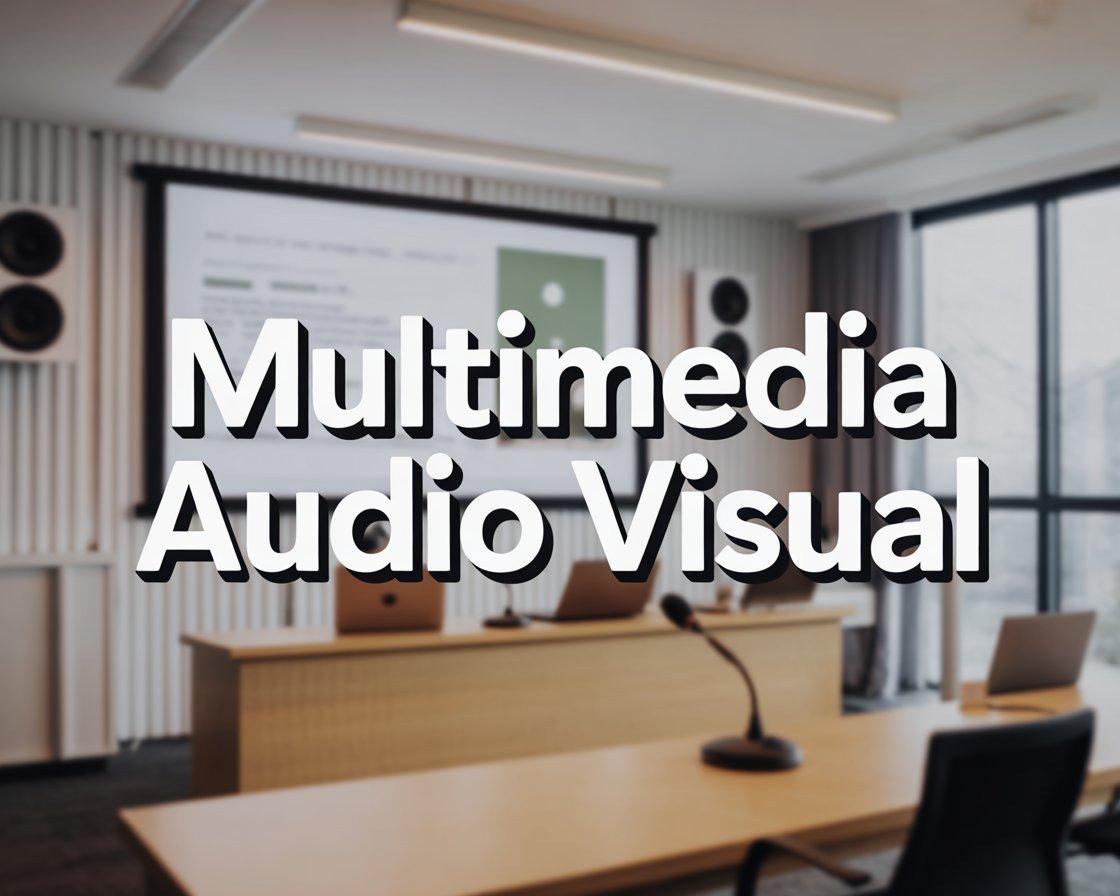
In an increasingly digital and connected world, audio visual communication has become one of the most powerful ways to convey information, ideas, and emotions. By combining sound and visuals, this form of communication enhances understanding, engagement, and retention across business, education, media, and everyday interactions.
What Is Audio Visual Communication?
Audio visual communication refers to the use of sound and visual elements together to transmit messages effectively. It includes tools and platforms such as:
-
Videos and animations
-
Presentations with sound and graphics
-
Video conferencing systems
-
Digital signage and displays
-
Public address and sound reinforcement systems
By engaging both the auditory and visual senses, audio visual communication ensures messages are clearer, more impactful, and easier to understand.
Importance of Audio Visual Communication
1. Improved Understanding
Visuals help simplify complex information, while audio provides context and explanation. Together, they reduce confusion and improve clarity.
2. Higher Engagement
People are naturally drawn to visuals and sound. Audio visual communication keeps audiences attentive and interested, whether in meetings, classrooms, or marketing campaigns.
3. Better Information Retention
Studies show that people remember information better when it is presented through both audio and visual formats rather than text alone.
4. Real-Time Collaboration
With modern video conferencing and collaboration tools, teams can communicate effectively across locations, enabling remote and hybrid work environments.
Applications of Audio Visual Communication
-
Corporate Sector: Meetings, presentations, training sessions, and internal communications
-
Education: Smart classrooms, e-learning, virtual lectures, and digital learning tools
-
Marketing & Media: Advertisements, brand storytelling, social media content
-
Events & Public Spaces: Conferences, seminars, exhibitions, and public announcements
-
Healthcare & Government: Information sharing, training, and public awareness campaigns
Role of Technology in Audio Visual Communication
Advancements in technology have elevated audio visual communication to new levels. High-definition displays, immersive sound systems, wireless connectivity, and interactive platforms allow organizations to communicate more efficiently and professionally. Integrated AV systems ensure smooth operation and consistent performance across different environments.
The Future of Audio Visual Communication
As technology evolves, audio visual communication will continue to become more interactive, immersive, and intelligent. Trends such as AI-powered conferencing, virtual reality, augmented reality, and smart automation are shaping the future, making communication more personalized and effective.
Conclusion
Audio visual communication is a vital tool in modern society, bridging gaps between people, ideas, and locations. By combining sound and visuals, it enhances clarity, engagement, and collaboration across industries. Organizations that invest in effective audio visual communication solutions gain a powerful advantage in delivering messages that truly connect with their audiences.

 English
 Arabic
 French
 Spanish
 Portuguese
 Deutsch
 Dutch
Dutch
 Italiano
 Russian
 Romaian
 Portuguese (Brazil)
 Greek
Greek