


Title: Understanding the Concept of Bottleneck: Causes, Effects, and Solutions
Introduction:
In any system—whether it’s a business process, computer hardware, or supply chain—there’s one common challenge that often limits performance: the bottleneck. A bottleneck occurs when one component or stage in a process slows down the overall flow, preventing the entire system from reaching its full potential. This issue can lead to inefficiency, delays, and wasted resources if not properly addressed.
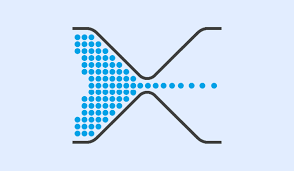
The term “bottleneck” originates from the shape of a bottle: the neck is narrower than the rest, restricting how fast liquid can flow out. Similarly, in business, technology, or production, a bottleneck acts as a constraint that restricts throughput. Understanding how bottlenecks form, how to identify them, and how to resolve them is essential for improving performance in any area.
What Is a Bottleneck?
A bottleneck refers to any point in a process where the flow of operations is limited or slowed down by one particular component. It can occur in various contexts:
-
In business: A slow approval process or a single overworked employee can delay project completion.
-
In manufacturing: A malfunctioning machine or limited manpower can hold up production.
-
In computing: A CPU or GPU bottleneck occurs when one hardware component limits the performance of another.
-
In logistics: A transportation delay can prevent timely delivery of goods.
In all these examples, the bottleneck determines the overall speed and efficiency of the system.
Types of Bottlenecks
Bottlenecks can generally be categorized into two types—short-term and long-term:
-
Short-Term Bottleneck:
These are temporary issues caused by sudden changes or disruptions. For example, an employee on leave or a machine undergoing maintenance may create a short-term slowdown. -
Long-Term Bottleneck:
These are systemic problems that occur repeatedly due to structural flaws. For instance, an outdated computer system or limited production capacity consistently slowing down operations.
Both types can severely impact productivity if not addressed promptly.
Common Causes of Bottlenecks
Identifying the root cause of a bottleneck is the first step toward resolving it. Here are some of the most common causes:
-
Inefficient Processes:
Poorly designed workflows or unnecessary steps can cause slowdowns. -
Limited Resources:
Insufficient manpower, outdated equipment, or lack of materials can all restrict capacity. -
Overdependence on One Element:
Relying too heavily on a single team member, system, or machine can create vulnerability in the process. -
Poor Communication:
Miscommunication or unclear roles among team members often cause delays and confusion. -
Unbalanced Workload:
When one stage of the process receives more work than it can handle, it becomes a bottleneck for the rest of the system.
Examples of Bottlenecks in Different Fields
To better understand the concept, let’s look at a few real-world applications of bottlenecks:
-
In Computing:
A common issue for gamers and professionals is a CPU or GPU bottleneck. For example, if a graphics card is powerful but the processor cannot keep up, performance suffers. This imbalance reduces frame rates and efficiency. -
In Manufacturing:
If one machine on an assembly line produces fewer units than others, the entire line must slow down to match its pace. -
In Business Operations:
A slow approval or decision-making process can delay entire projects. Similarly, lack of automation in administrative work can create bottlenecks in reporting and communication. -
In Logistics and Supply Chains:
A single delayed shipment can hold up the delivery of finished products, creating ripple effects throughout the supply chain.
See more: Bottleneck Rechner
How to Identify a Bottleneck
Detecting a bottleneck early can save time and money. Here are a few ways to identify one:
-
Observe Workflow Patterns:
Look for areas where work or information piles up. -
Measure Output Rates:
Compare the throughput of each stage—whichever has the lowest output is likely your bottleneck. -
Analyze Delays and Idle Times:
If other departments or machines spend time waiting, it’s a sign that something upstream is slowing down. -
Use Data and Metrics:
Performance metrics, software tools, and production logs can help you pinpoint recurring slow points.
Consequences of a Bottleneck
Ignoring a bottleneck can have several negative effects on productivity and efficiency:
-
Reduced Output: The entire process operates below capacity.
-
Increased Costs: Delays lead to overtime, wastage, and missed deadlines.
-
Lower Customer Satisfaction: In business and manufacturing, late deliveries or reduced quality can hurt reputation.
-
Employee Frustration: Workers may feel demotivated when inefficiencies prevent them from completing their tasks effectively.
Strategies to Eliminate Bottlenecks
Once you’ve identified the problem, it’s time to act. Here are effective strategies to remove or reduce a bottleneck:
-
Redistribute Workload:
Balance tasks among employees or machines to avoid overburdening a single point. -
Upgrade Resources:
Invest in better tools, software, or equipment to increase capacity at the slow point. -
Automate Processes:
Automation can eliminate manual steps and reduce dependency on human intervention. -
Streamline Communication:
Clear instructions and consistent updates help prevent confusion and delays. -
Continuous Monitoring:
Regularly review processes to ensure that bottlenecks don’t reappear over time. -
Apply Lean Principles:
Techniques like the Theory of Constraints (TOC) and Six Sigma can help systematically identify and resolve process inefficiencies.
Preventing Future Bottlenecks
Eliminating a bottleneck is one thing—keeping it from returning is another. To prevent future issues:
-
Maintain consistent performance tracking.
-
Train employees to handle multiple roles.
-
Regularly upgrade technology and systems.
-
Encourage open feedback from teams to detect early warning signs.
Conclusion
A bottleneck might seem like a small issue at first, but its impact can ripple throughout an organization or system, limiting performance and increasing costs. Whether it appears in production, computing, or business operations, identifying and resolving bottlenecks should be a top priority for sustainable growth and efficiency.
By analyzing processes, redistributing workloads, and continuously improving systems, you can remove bottlenecks and unlock your operation’s true potential. In short, overcoming bottlenecks is the key to achieving smooth performance, higher productivity, and long-term success in any field.
See more blogs: Click Here

 Arabic
 French
 Spanish
 Portuguese
 Deutsch
 Turkish
 Dutch
Dutch
 Italiano
 Russian
 Romaian
 Portuguese (Brazil)
 Greek
Greek