


How to Choose the Right Reamer Tool for Perfect Hole Finishing in Modern Manufacturing
Introduction
In modern manufacturing, achieving precise hole size, smooth surface finish, and tight tolerances is critical for product quality and performance. While drilling creates the initial hole, it is the reamer tool that delivers the final accuracy and finish required in high-precision applications. Choosing the right reamer tool is not just about size, it involves understanding material type, machining conditions, and production goals. This guide explains how to select the ideal reamer tool to ensure perfect hole finishing, improved efficiency, and long tool life in today’s advanced manufacturing environment.
What Is a Reamer Tool and Why It Matters
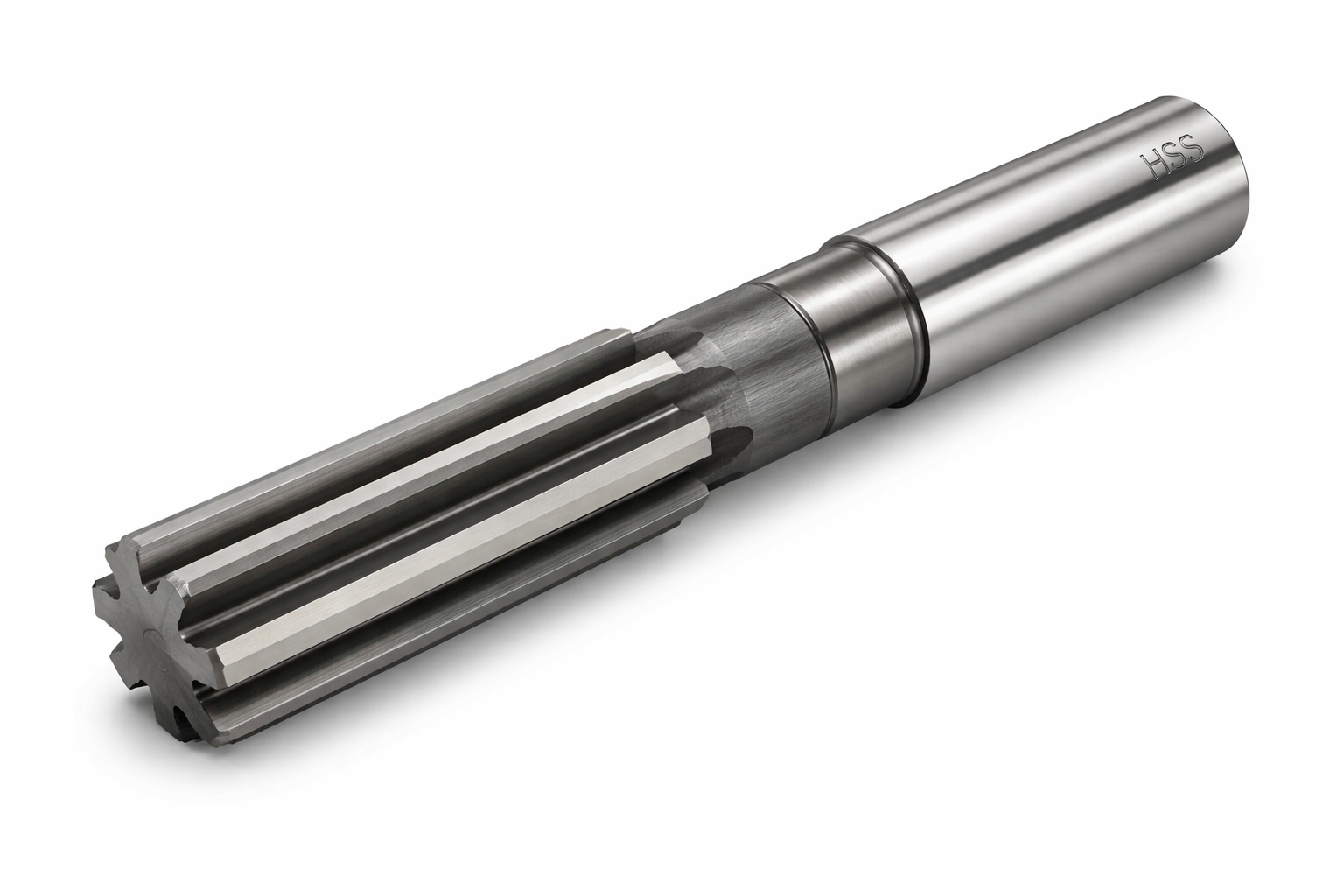
A reamer tool is a cutting instrument used to slightly enlarge, true, and finish an existing hole to a precise diameter. Unlike drill bits, reamers remove minimal material, which results in superior dimensional accuracy and surface quality. Industries such as automotive, aerospace, tooling, and heavy engineering rely on reamer tools for assembling components where precision is non-negotiable. Selecting the wrong reamer tool can lead to poor finish, oversized holes, or rapid tool wear.
Types of Reamer Tools
Understanding the different types of reamer tools is the first step in making the right choice. Hand reamers are suitable for manual operations and low-volume tasks, while machine reamers are designed for CNC and automated machines. Straight flute reamers work well for general-purpose applications, whereas spiral flute reamers are ideal for blind holes and chip evacuation. Taper reamers are used for tapered holes, and adjustable reamers offer flexibility for varying hole sizes. Choosing the correct type ensures consistent results and machining stability.
Material Compatibility and Reamer Selection
The workpiece material plays a crucial role in selecting a reamer tool. For softer materials like aluminum or brass, high-speed steel reamers provide excellent performance and cost efficiency. For harder materials such as stainless steel, alloy steel, or cast iron, carbide reamer tools offer better wear resistance and longer life. Coated reamer tools, such as TiN or TiAlN, further enhance performance by reducing friction and heat generation. Matching the reamer tool material to the workpiece improves finish quality and reduces downtime.
Tolerance and Surface Finish Requirements
Different applications demand different tolerance levels. If your component requires tight tolerances, precision-ground reamer tools are essential. For general manufacturing, standard tolerance reamers may be sufficient. The desired surface finish also influences selection, as multi-flute reamer tools provide smoother finishes compared to fewer-flute designs. Always consider the final assembly requirements when choosing a reamer tool to avoid costly rework.
Machine Type and Operating Conditions
The type of machine being used significantly impacts reamer tool performance. CNC machines require reamer tools with high concentricity and rigidity to handle high-speed operations. Manual or semi-automatic machines may work better with simpler designs. Proper cutting speed, feed rate, and coolant usage are equally important. Using the right operating parameters ensures the reamer tool performs efficiently and maintains dimensional accuracy.
Common Mistakes to Avoid
One common mistake is using a reamer tool to correct poorly drilled holes. Reamers are finishing tools, not corrective tools. Another mistake is ignoring chip evacuation, which can cause surface scratches or tool breakage. Incorrect speeds and feeds can also reduce tool life and compromise hole quality. Avoiding these errors helps achieve consistent results and maximizes the value of your reamer tool investment.
Maintenance and Tool Life Optimization
Proper maintenance extends the life of a reamer tool. Regular inspection for wear, proper storage, and timely regrinding are essential practices. Using quality coolant and maintaining clean cutting conditions also contribute to longer tool life. Investing in high-quality reamer tools reduces replacement frequency and improves overall machining efficiency.
Conclusion
Selecting the right reamer tool is essential for achieving perfect hole finishing in modern manufacturing. By considering tool type, material compatibility, tolerance requirements, and machining conditions, manufacturers can ensure precision, consistency, and productivity. High-quality reamer tools not only improve component performance but also reduce operational costs. For reliable, precision-engineered reamer tool solutions that meet today’s manufacturing demands, trust Buyohlic.

 Arabic
 French
 Spanish
 Portuguese
 Deutsch
 Turkish
 Dutch
Dutch
 Italiano
 Russian
 Romaian
 Portuguese (Brazil)
 Greek
Greek