


How to Personalize a Jellycat Bunny: Embroidery, Patches, and Keepsake Ideas
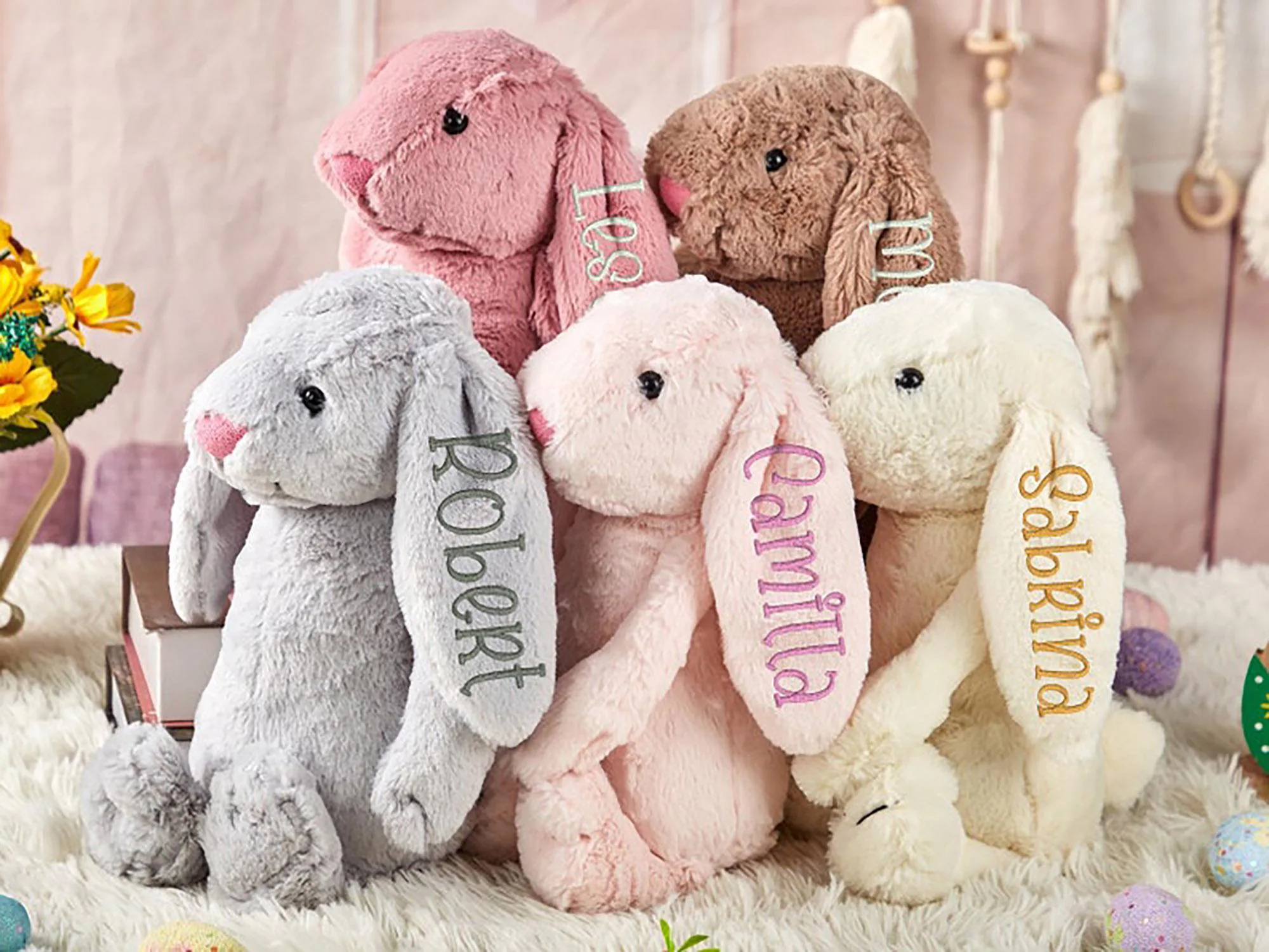
When I first bought a Jellycat bunny, I thought it was already perfect. Soft, safe, and comforting, it checked all the boxes for a baby gift. But once I saw how quickly children bond with these plush toys, I realized something important. A personalized jellycat bunny becomes more than a toy. It becomes part of a child’s emotional world.
Personalization transforms a familiar plush into a one-of-a-kind keepsake. Parents across the United States are choosing personalization not just for style, but for emotional connection. In this guide, I’ll walk through why personalization matters, what problems it solves, and how embroidery, patches, and keepsake ideas can turn a simple Jellycat bunny into something truly meaningful.
The Problem: Beautiful Plush Toys That Feel Replaceable
Jellycat plush toys are popular for a reason. According to industry data from Circana, plush toy sales in the US remain strong, driven by demand for comfort and emotional support items for children. But even the most loved plush can feel replaceable if it looks exactly like every other one.
I’ve seen it happen many times. A child loses a favorite bunny, and parents rush to replace it. The new one looks the same, but the emotional connection feels different. The toy is there, but the memory is not.
This is the core problem. Without personalization, even high-quality toys can feel interchangeable. For babies and toddlers who rely on familiarity for emotional security, that gap matters. A personalized jellycat bunny solves this by adding identity and emotional ownership.
Parents also face another issue. Baby gifts are often duplicated. At baby showers, it is common to see several plush toys that look similar. Personalization helps one gift stand out and stay relevant long after the others are forgotten.
Agitating the Issue: Emotional Loss When Comfort Objects Change
Comfort objects play a major role in early emotional development. According to the American Academy of Pediatrics, transitional objects help children cope with separation, stress, and new environments. When a child loses a comfort item, the emotional reaction can be intense.
I remember a friend whose toddler lost a favorite plush during travel. The replacement was identical, but the child noticed the difference immediately. The missing detail was familiarity. That experience stuck with me.
A personalized jellycat bunny reduces that emotional disruption. The child associates their name, initials, or a special symbol with the toy. It becomes theirs in a deeper way. This emotional imprint is harder to replace but also more comforting.
Retailers in the US have noticed this pattern. A boutique owner in Illinois shared that parents specifically request personalization after their child becomes attached to a plush. They are not looking for decoration. They are looking for emotional continuity.
Even alternatives like a jellycat puppy dog are often personalized for the same reason. Whether it is a bunny or a puppy, personalization anchors emotional value.
Why Personalization Matters in Early Childhood
Personalization is not just about aesthetics. It supports emotional development. Studies published in the Journal of Child Psychology and Psychiatry show that familiar objects reduce anxiety in young children by providing predictability.
A personalized jellycat bunny offers consistent sensory input and emotional reassurance. When a child sees or touches something that is uniquely theirs, it reinforces a sense of safety.
From my own experience, I noticed that children treat personalized items differently. They carry them more carefully, look for them when upset, and include them in routines like bedtime and travel.
Parents also benefit emotionally. Seeing a child’s name stitched onto a favorite plush creates a sense of permanence. It turns a moment into a memory.
This same effect is seen with other Jellycat designs, including the jellycat puppy dog. Personalization works across styles because the emotional principle remains the same.
Embroidery: The Most Popular Way to Personalize a Jellycat Bunny
Embroidery is the most common method for creating a personalized jellycat bunny. In the US, embroidery services for baby products have grown alongside personalized gifting trends. According to IBISWorld, embroidery and personalization services have seen steady growth due to demand for customized goods.
Embroidery offers durability. Names and dates stitched into fabric last through years of use and washing. Parents often choose simple fonts and neutral thread colors to maintain a timeless look.
Placement matters. Most parents prefer embroidery on the ear, foot, or a small fabric tag. These areas are visible but not irritating to sensitive skin. Safety standards in the US require that embroidery threads are securely stitched, especially for infant products.
I once worked with a local embroidery shop that specialized in baby items. The owner shared that Jellycat products were among the most requested items for personalization. Customers valued both the brand quality and the emotional impact of embroidery.
The same shops often personalize items like a jellycat puppy dog, showing that the demand for emotional customization goes beyond one design.
Patches and Fabric Add-Ons for Personal Expression
Patches offer a flexible way to personalize without permanent stitching. Some parents prefer removable patches that can be updated as a child grows. While patches are more common on clothing, they are increasingly used on plush toys.
A personalized jellycat bunny with a fabric patch can feature initials, symbols, or small messages. These patches are often sewn rather than glued to meet safety requirements.
In the US handmade market, platforms like Etsy show strong demand for custom patches designed specifically for plush toys. Sellers report that parents like the option to change or add patches for milestones.
From my perspective, patches work best for older toddlers rather than newborns. They allow personalization without altering the original plush permanently. This flexibility appeals to parents who want customization but also want to preserve resale or heirloom value.
Similar approaches are used with a jellycat puppy dog, especially when parents want matching personalized plush toys for siblings.
Keepsake Ideas That Go Beyond the Name
Personalization does not stop at embroidery or patches. Keepsake ideas add layers of meaning to a personalized jellycat bunny. Some parents include birth details like date, weight, or hospital name in subtle ways.
One US-based baby brand shared a case study where they paired personalized plush toys with memory cards. Parents could write notes about milestones and store them with the toy. Sales increased because customers saw emotional value, not just a product.
I’ve seen parents include small keepsake tags with handwritten notes tucked into the packaging. These notes often become treasured items years later.
Another idea is creating a memory box that includes the personalized bunny along with photos and hospital bracelets. This approach turns the plush into part of a larger story.
Keepsake personalization is also popular with other Jellycat animals, including the jellycat puppy dog, especially for families creating themed nursery memories.
USA Business Trends in Personalized Plush Toys
The personalized gift market in the US continues to grow. According to Grand View Research, personalized products appeal to consumers seeking emotional connection and uniqueness. Plush toys are a major part of this trend.
Small businesses have built strong brands around personalization. Many embroidery shops partner with baby boutiques to offer in-store customization. This model benefits both parties and keeps personalization local.
Large retailers have also noticed the demand. Limited personalization options for plush toys are becoming more common in online stores. A personalized jellycat bunny fits perfectly into this trend because the base product is already trusted.
I’ve spoken with business owners who say personalization increases customer loyalty. Parents return not just for products, but for emotional experiences.
The Solution: Turning a Plush Toy into a Lifelong Memory
The solution to replaceable toys and forgettable gifts is thoughtful personalization. A personalized jellycat bunny combines comfort, identity, and emotional value in one simple object.
Embroidery provides permanence. Patches offer flexibility. Keepsake ideas add depth. Together, they turn a plush toy into something that grows with a child.
From my experience, personalization is not about trends. It is about intention. When you personalize a toy, you are saying this moment matters.
Whether parents choose a bunny or explore options like a jellycat puppy dog, the goal is the same. Create something that feels personal, safe, and lasting.
Conclusion
In a world full of mass-produced items, personalization stands out. A personalized jellycat bunny is not just soft fabric and stitching. It is a symbol of care, memory, and emotional security.
I’ve seen how these toys become part of daily routines, emotional comfort, and family stories. That is why personalization matters.
From embroidery to patches to keepsake ideas, there are many ways to make a Jellycat bunny truly unique. The process is simple, but the impact lasts for years.
If you are looking for a gift or a keepsake that holds real meaning, personalization is the answer. A personalized jellycat bunny is not just owned. It is loved, remembered, and kept.

 English
 Arabic
 French
 Spanish
 Portuguese
 Turkish
 Dutch
Dutch
 Italiano
 Russian
 Romaian
 Portuguese (Brazil)
 Greek
Greek