


The World of Non-Alcoholic Wines | A Sophisticated Sip Without the Spirits
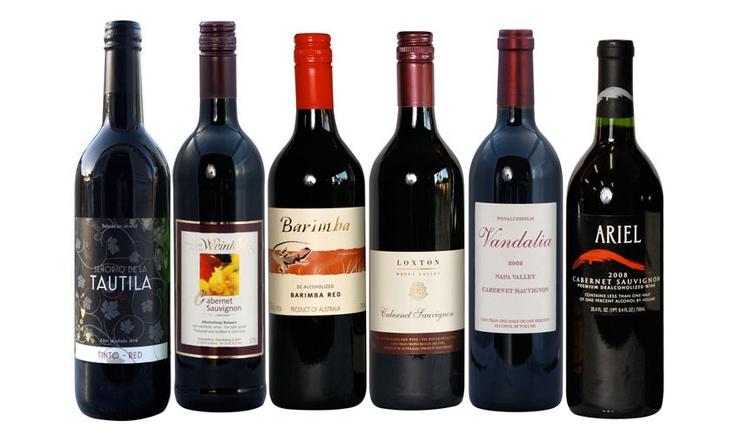
In a world where wellness, mindfulness, and conscious consumption have taken center stage, non-alcoholic wines have emerged as one of the most elegant alternatives for those who wish to enjoy the sophistication of wine without the intoxicating effects of alcohol. This fascinating beverage category has seen remarkable growth over the past decade, bridging the gap between traditional wine lovers and individuals seeking a healthier or more balanced lifestyle. Far from being a simple grape juice replacement, non-alcoholic wines today capture the essence, aroma, and complexity of their alcoholic counterparts—proving that refinement doesn’t require fermentation’s final punch.
The Evolution of Non-Alcoholic Wines
The concept of non-alcoholic wine is not as new as many believe. The early 20th century saw primitive attempts at creating alcohol-free wines, especially during periods of prohibition and religious restrictions. However, the technology of that era limited the ability to maintain the full-bodied flavor, bouquet, and structure that make wine so cherished.
Fast forward to today, and advancements in de-alcoholization processes have transformed the industry. Modern producers use state-of-the-art techniques like vacuum distillation and reverse osmosis to carefully remove alcohol while preserving the natural flavors and aromatic compounds of the wine. These innovations have elevated non-alcoholic wines from mere imitations to authentic tasting experiences that rival traditional vintages.
The modern consumer’s demand for authenticity, transparency, and wellness-focused products has further propelled the rise of this segment. Today’s non-alcoholic wines are not simply “alternatives” but sophisticated beverages celebrated for their craftsmanship and character.
How Non-Alcoholic Wines Are Made
The production of non-alcoholic wine begins just like that of any fine traditional wine—through careful cultivation of grapes, fermentation, and aging. What differentiates them is the final stage: alcohol removal.
In most cases, non-alcoholic wines start as regular wines. The grapes are crushed, the juice is fermented, and the resulting liquid develops the depth and texture of conventional wine. The alcohol is then gently extracted through specialized processes designed to retain as much of the flavor and aroma as possible.
Vacuum distillation, one of the most common methods, uses lower temperatures to evaporate alcohol without compromising the integrity of delicate flavor compounds. Reverse osmosis, on the other hand, separates alcohol and water from the wine, then reintegrates the flavor-rich components back into a non-alcoholic base.
The result is a drink that looks, smells, and tastes remarkably similar to standard wine—but with less than 0.5% alcohol by volume. Many producers also add natural flavor extracts or grape must to restore mouthfeel and body, ensuring a satisfying sensory experience.
The Taste and Aroma of Non-Alcoholic Wines
One of the biggest misconceptions surrounding non-alcoholic wines is that they lack depth or complexity. While early versions may have struggled with flatness or excessive sweetness, today’s offerings are anything but simple. Advances in winemaking technology have enabled producers to capture the signature notes of the original vintage—whether it’s the crisp acidity of Sauvignon Blanc, the rich fruitiness of Merlot, or the elegant minerality of Chardonnay.
Non-alcoholic reds often display bold aromas of berries, spices, and oak, while whites can range from zesty and citrus-forward to smooth and floral. Rosé varieties tend to be light, aromatic, and delicately balanced, offering an ideal summer refreshment. Sparkling non-alcoholic wines, in particular, have gained popularity at celebrations and social gatherings, offering effervescence and elegance without the buzz.
The subtlety and sophistication of these beverages are now winning over even seasoned wine connoisseurs, demonstrating that pleasure doesn’t always require potency.
Health Benefits and Lifestyle Advantages
One of the most appealing aspects of non-alcoholic wines is their contribution to a healthier lifestyle. As people increasingly focus on fitness, mental clarity, and long-term wellness, reducing or eliminating alcohol consumption has become a conscious choice rather than a compromise.
Non-alcoholic wines allow individuals to enjoy the ritual of wine drinking without the negative side effects of alcohol, such as dehydration, disrupted sleep, or hangovers. They also contain fewer calories compared to traditional wines, making them a friendlier choice for those managing their diet or weight.
Additionally, these wines retain many of the beneficial antioxidants found in grapes—particularly polyphenols and resveratrol—known for supporting heart health and combating oxidative stress. For pregnant individuals, designated drivers, or those managing specific medical conditions, non-alcoholic wines provide an inclusive option that maintains social enjoyment without risk.
From a psychological standpoint, they also encourage mindful drinking—helping individuals participate in social rituals, dinners, and celebrations without feeling excluded or pressured.
Popular Varieties and Styles
The world of non-alcoholic wines is now as diverse as the traditional wine industry, offering something for every palate. Below are some of the most beloved styles and what makes each unique:
Non-Alcoholic Red Wines
Rich and full-bodied, these varieties are typically crafted from classic red grapes such as Cabernet Sauvignon, Merlot, or Shiraz. Expect bold fruit notes of cherry, plum, or blackberry, complemented by hints of spice and oak. These pair wonderfully with red meats, pasta, and aged cheeses.
Non-Alcoholic White Wines
Light, refreshing, and crisp—non-alcoholic whites often feature flavors of green apple, citrus, or pear. Varieties such as Chardonnay or Sauvignon Blanc provide versatility, pairing beautifully with seafood, salads, and light appetizers.
Non-Alcoholic Rosé Wines
Rosés have become the go-to beverage for warm weather and casual occasions. Their delicate pink hue and balance of fruity and floral notes make them a stylish, crowd-pleasing choice. Perfect with grilled vegetables, cheeses, or desserts.
Non-Alcoholic Sparkling Wines
Perhaps the most festive of all, sparkling non-alcoholic wines bring effervescence to celebrations. With their fine bubbles and lively taste, they’re ideal for toasts, weddings, and special events—offering all the glamour of champagne without the intoxication.
Pairing Non-Alcoholic Wines with Food
Pairing food with non-alcoholic wines follows the same principles as traditional wine pairing—balance and complementarity. A crisp white pairs beautifully with lighter dishes like seafood or poultry, while a robust red enhances the flavors of hearty meats and sauces.
Rosé wines bridge the gap, working well with both savory and sweet fare. Sparkling varieties, with their acidity and bubbles, can cut through richness and cleanse the palate, making them perfect for multi-course meals.
Since these wines lack the heat of alcohol, subtle flavors often shine brighter, allowing food to take center stage. This makes non-alcoholic wines particularly appealing for fine dining, where taste precision is paramount.
Social and Cultural Acceptance
Non-alcoholic wines have become far more than a niche product—they’ve evolved into a cultural phenomenon. From Michelin-starred restaurants to trendy bars and wellness retreats, they are now embraced as a symbol of inclusivity and sophistication.
You’ll find them prominently displayed on menus across the globe, often with dedicated non-alcoholic sections. Influencers, athletes, and celebrities have also played a major role in normalizing alcohol-free lifestyles, demonstrating that glamour and fun don’t depend on intoxication.
This cultural shift is particularly evident among younger generations. Millennials and Gen Z consumers are more likely to embrace mindful drinking habits, seeking out alternatives that align with their values of health, sustainability, and mental well-being.
Sustainability and Ethical Production
Sustainability has become an essential focus in the beverage industry, and non-alcoholic wine producers are no exception. Many brands are committed to eco-friendly farming practices, reduced carbon emissions, and minimal packaging waste. Organic and vegan certifications are increasingly common, reflecting a broader dedication to environmental and ethical responsibility.
The process of alcohol removal itself, when done efficiently, reduces waste and energy consumption. Moreover, since non-alcoholic wines appeal to a broader audience, they can help reduce overconsumption while still supporting vineyard economies.
In essence, the growth of this market aligns beautifully with global trends toward conscious living—where taste, ethics, and wellness coexist harmoniously.
The Future of Non-Alcoholic Wines
The future for non-alcoholic wines looks exceptionally promising. Industry analysts predict exponential growth over the next decade, driven by innovation, evolving tastes, and global health movements. Producers are experimenting with new grape varieties, fermentation techniques, and flavor enhancement methods to push the boundaries of what’s possible.
We’re also witnessing collaborations between traditional winemakers and modern wellness brands, blending heritage with innovation. As non-alcoholic wines become mainstream, accessibility and quality continue to rise, ensuring consumers no longer have to choose between pleasure and health.
Conclusion
Non-alcoholic wines have transcended their early reputation as mere substitutes. They now represent a movement—one rooted in sophistication, wellness, and choice. Whether you’re raising a glass at a celebration, pairing with a gourmet meal, or simply unwinding after a long day, non-alcoholic wines offer the same sense of ritual and enjoyment as traditional wine—without compromise.
This new era of conscious consumption celebrates balance: the ability to indulge responsibly, to savor life’s moments fully, and to redefine what it means to enjoy a truly great glass of wine. The art of winemaking has evolved, and with non-alcoholic wines, it has found a way to honor tradition while embracing the future—a future that toasts to taste, wellness, and inclusivity for all.

 English
 Arabic
 Spanish
 Portuguese
 Deutsch
 Turkish
 Dutch
Dutch
 Italiano
 Russian
 Romaian
 Portuguese (Brazil)
 Greek
Greek