


How Often Should You Get Termite Treatment?
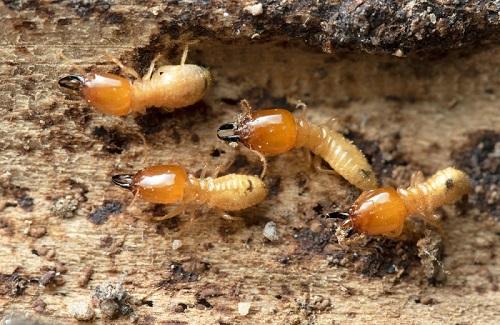
Termites are among the most destructive pests for homeowners, capable of causing serious structural damage before their presence is even noticed. In Australia, especially in warm and humid regions such as the Gold Coast, termite activity is common year-round. One of the most frequent questions homeowners ask is: how often should termite treatment be done? The answer depends on several factors, including the type of treatment used, the age and condition of the property, and the local risk of termite activity. Understanding these factors can help homeowners maintain long-term protection and avoid costly repairs.
Why Regular Termite Treatment Is Essential
Termites feed on cellulose, which is found in timber, paper, and other plant-based materials. They typically enter homes through the soil, cracks in foundations, or hidden access points. Because termites often remain hidden, infestations can go undetected for years, causing extensive damage to floors, walls, roof frames, and other structural components.
Regular termite treatment helps:
-
Prevent termite infestations before they start
-
Detect early signs of termite activity
-
Protect the structural integrity of your home
-
Reduce long-term repair costs
-
Maintain property value
Waiting until termites are visible often means the infestation is already well established. Preventative treatment and regular inspections are far more effective and economical.
How Often Should Termite Inspections Be Done?
While termite treatments vary in longevity, annual termite inspections are strongly recommended for all homes, regardless of location. In high-risk areas such as coastal and subtropical regions, inspections may be recommended every 6 to 12 months.
Regular inspections allow pest control professionals to:
-
Identify early termite activity
-
Check the effectiveness of existing treatments
-
Detect moisture issues or construction changes that increase termite risk
-
Recommend additional preventative measures if needed
Even homes with active termite protection systems should not skip inspections, as barriers and baiting systems can deteriorate or be disturbed over time.
Frequency of Termite Treatment by Type
The type of termite treatment you choose plays a major role in determining how often treatment is required.
Chemical Barrier Treatments
Chemical soil barriers are one of the most common termite treatment methods. These treatments involve applying termiticides around the property’s foundation to prevent termites from entering.
How often is treatment needed?
-
Most chemical barriers last between 3 to 5 years, depending on the product used, soil conditions, and environmental factors.
-
Regular inspections are still required to ensure the barrier remains intact and effective.
Best for:
-
Homes in high-risk termite areas
-
Properties with a history of termite activity
Termite Baiting Systems
Termite baiting systems are designed to eliminate termite colonies and provide ongoing monitoring. Bait stations are placed around the property and checked regularly.
How often is treatment needed?
-
Baiting systems require continuous monitoring, typically every 3 to 6 months.
-
The system remains in place long-term, but bait is replaced as needed based on termite activity.
Best for:
-
Environmentally conscious homeowners
-
Properties where chemical barriers are difficult to install
Wood Treatments
Wood treatments, such as borate-based products, protect timber by making it toxic to termites. These treatments can be used preventatively or to treat localized infestations.
How often is treatment needed?
-
Preventative wood treatments can last many years if the timber remains dry and undisturbed.
-
Treated areas should still be inspected annually for signs of termite activity or moisture damage.
Best for:
-
New constructions
-
Homes undergoing renovations
Physical Barriers
Physical termite barriers are usually installed during construction and include stainless steel mesh or termite-proof membranes.
How often is treatment needed?
-
Physical barriers can last decades if installed correctly.
-
Inspections are essential to ensure the barrier has not been compromised by landscaping, plumbing, or structural changes.
Best for:
-
New homes
-
Long-term, chemical-free protection
Factors That Affect How Often You Need Termite Treatment
Several factors influence how frequently termite treatment should be applied:
1. Location and Climate
Warm, humid environments are ideal for termites. Homes in coastal or tropical regions typically require more frequent inspections and maintenance than those in cooler climates.
2. Age and Construction of the Property
Older homes may have untreated timber or structural vulnerabilities that increase termite risk. Renovations, extensions, or landscaping changes can also disturb existing termite barriers.
3. Previous Termite Activity
Properties with a history of termite infestations are at higher risk of recurrence. These homes may require more frequent inspections and follow-up treatments.
4. Moisture Levels
Leaking pipes, poor drainage, and inadequate ventilation attract termites. Homes with moisture issues may require more regular monitoring and preventative treatments.
Warning Signs That Treatment May Be Needed Sooner
Even if your home is on a regular treatment schedule, immediate action is needed if you notice:
-
Mud tubes along walls or foundations
-
Hollow-sounding or damaged wood
-
Discarded termite wings
-
Frass (termite droppings) near timber
-
Doors or windows sticking due to warped wood
These signs indicate active termite activity and should be addressed by a professional immediately.
Why Skipping Termite Treatment Is Risky
Termite damage is often not covered by home insurance, leaving homeowners responsible for repair costs. Delaying or skipping termite treatment can result in:
-
Extensive structural damage
-
Reduced property value
-
Safety risks due to weakened timber
-
Expensive and disruptive repairs
Regular termite treatment and inspections are far more cost-effective than repairing damage caused by long-term infestations.
Creating a Long-Term Termite Protection Plan
The most effective approach to termite management combines:
-
Annual professional inspections
-
Preventative treatments such as chemical barriers or baiting systems
-
Moisture control and proper drainage
-
Ongoing maintenance and monitoring
Professional pest control providers can tailor a termite management plan based on your home’s location, construction, and risk level.
Conclusion
So, how often should you get termite treatment? While the exact frequency depends on the type of treatment and your property’s risk factors, annual inspections are essential for every home, and most preventative treatments require maintenance every 3 to 5 years. Homes in high-risk areas or with previous termite activity may need more frequent monitoring.
Regular termite treatment is not just about eliminating pests—it’s about protecting your home’s structure, preserving its value, and ensuring long-term peace of mind. By staying proactive and working with professional termite control experts, homeowners can prevent costly damage and keep their properties safe from these silent destroyers year after year.

 English
 Arabic
 French
 Spanish
 Portuguese
 Deutsch
 Turkish
 Dutch
Dutch
 Italiano
 Russian
 Romaian
 Greek
Greek