


How Dry Needling Helps Relieve Muscle Pain and Tension
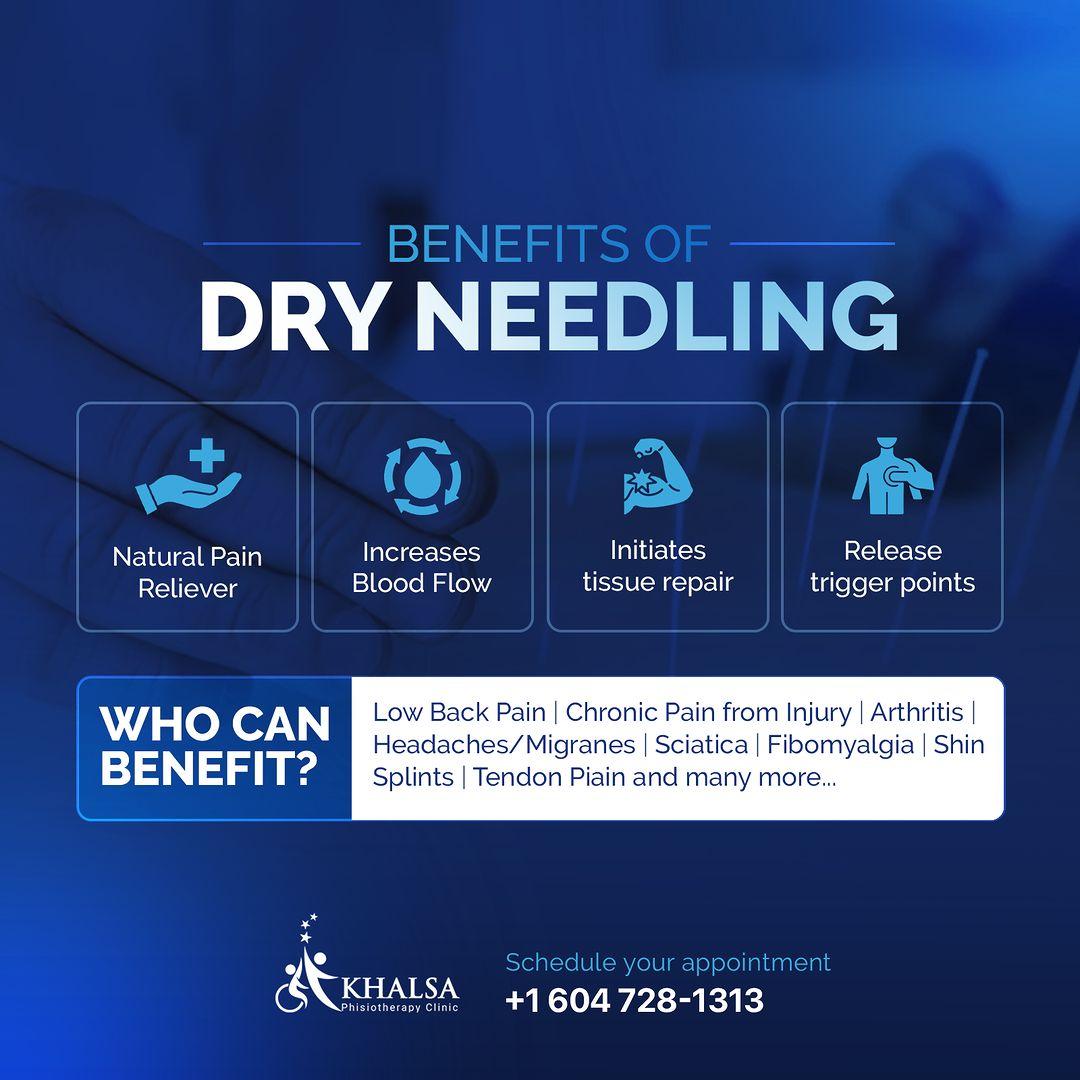
Muscle pain, stiffness, and tension can significantly impact daily life, limiting movement and reducing overall comfort. Whether caused by poor posture, sports injuries, repetitive strain, or chronic conditions, persistent muscle tightness often requires more than just rest or stretching. This is where physiotherapy in Surrey plays a vital role in providing effective, long-term relief.
Used by trained physiotherapists worldwide, dry needling offers targeted pain relief, improved mobility, and faster recovery by addressing the root cause of muscular dysfunction. With expert physiotherapy in Surrey, patients benefit from personalized treatment plans designed to restore movement, reduce pain, and improve overall physical well-being.
What Is Dry Needling Physiotherapy?
Dry needling physiotherapy is a therapeutic technique that involves inserting very fine, sterile needles into specific muscle trigger points. These trigger points are tight, sensitive areas within muscles that can cause pain, stiffness, weakness, and restricted movement.
Unlike acupuncture, which is based on traditional Chinese medicine, dry needling is grounded in modern medical science and anatomy. It focuses on the musculoskeletal system and is used to treat neuromuscular conditions.
Physiotherapists use dry needling as part of a comprehensive treatment plan that may also include manual therapy, exercise rehabilitation, and posture correction.
How Dry Needling Relieves Muscle Pain
Muscle pain is often caused by overworked or injured muscle fibers that remain in a constant state of contraction. These tight bands reduce blood flow, limit oxygen delivery, and cause the buildup of waste products, leading to pain and inflammation.
Dry needling physiotherapy works by targeting these problem areas directly.
1. Releases Trigger Points
When a needle is inserted into a trigger point, it causes a small, controlled muscle twitch response. This reflex helps reset the muscle, allowing it to relax and return to its normal resting length. As a result, tight muscles loosen, and pain decreases.
2. Improves Blood Circulation
Tight muscles restrict blood flow. Dry needling stimulates circulation in the treated area, delivering oxygen and nutrients while flushing out inflammatory chemicals that contribute to pain.
3. Reduces Nerve Sensitivity
Chronic muscle tension can irritate surrounding nerves, leading to referred pain or tingling sensations. Dry needling helps calm the nervous system, reducing sensitivity and restoring normal nerve function.
Benefits of Dry Needling Physiotherapy
Dry needling offers a wide range of benefits for both acute and chronic muscle conditions.
Fast Pain Relief
Many patients experience noticeable relief after just one session, especially for tension-related pain in the neck, shoulders, and lower back.
Improved Mobility
By releasing tight muscles, joints are able to move more freely, improving flexibility and overall range of motion.
Faster Recovery
Athletes and active individuals often use dry needling to speed up recovery after training, competitions, or injuries.
Long-Term Results
When combined with physiotherapy exercises and posture correction, dry needling can provide lasting pain relief and prevent future flare-ups.
Conditions Treated With Dry Needling Physiotherapy
Dry needling is effective for a wide range of musculoskeletal conditions, including:
- Neck and shoulder pain
- Lower back pain
- Sciatica
- Headaches and migraines
- Tennis elbow and golfer’s elbow
- Plantar fasciitis
- Hip and knee pain
- Sports injuries
- Postural muscle tension
- Repetitive strain injuries
It is commonly used for office workers, athletes, seniors, and anyone dealing with persistent muscle discomfort.
What to Expect During a Dry Needling Session
A dry needling physiotherapy session begins with a detailed assessment. Your physiotherapist will examine your posture, movement patterns, and muscle function to identify problem areas.
During treatment:
- Fine, sterile needles are gently inserted into targeted muscles
- You may feel a brief twitch or cramping sensation
- Mild soreness afterward is normal and usually fades within 24 hours
- Most sessions last between 20 and 40 minutes
Your physiotherapist may combine dry needling with stretching, massage, or strengthening exercises to enhance results.
Is Dry Needling Safe?
When performed by a qualified and trained physiotherapist, dry needling is very safe. Physiotherapists undergo extensive education in anatomy, needling techniques, and infection control.
Side effects are usually mild and may include:
- Temporary muscle soreness
- Minor bruising
- Fatigue
Serious complications are extremely rare when treatment is performed by a licensed professional.
Who Can Benefit From Dry Needling?
Dry needling physiotherapy is suitable for most people experiencing muscle pain, stiffness, or movement restrictions. It is particularly helpful for:
- Office workers with posture-related pain
- Athletes with overuse injuries
- Individuals with chronic pain conditions
- People recovering from surgery or injury
Your physiotherapist will determine whether dry needling is appropriate for your specific condition.
Why Choose Dry Needling Physiotherapy?
Dry needling is not a temporary fix. It addresses the underlying cause of muscle pain rather than simply masking symptoms. When integrated into a personalized physiotherapy program, it promotes long-term healing and improved physical performance.
This evidence-based approach has become a cornerstone of modern physiotherapy care for managing pain and restoring function.
Final Thoughts
Muscle pain and tension can affect every aspect of your life, from work productivity to sleep quality and physical activity. Dry needling physiotherapy offers a safe, effective, and scientifically backed solution for relieving muscle tightness, improving movement, and accelerating recovery.
If you’re tired of living with persistent muscle discomfort, dry needling may be the breakthrough your body needs to heal, move better, and feel stronger again.

 English
 Arabic
 French
 Spanish
 Portuguese
 Deutsch
 Turkish
 Italiano
 Russian
 Romaian
 Portuguese (Brazil)
 Greek
Greek