


High-Rise Apartment Security in Oakland: Tips for Safe Living
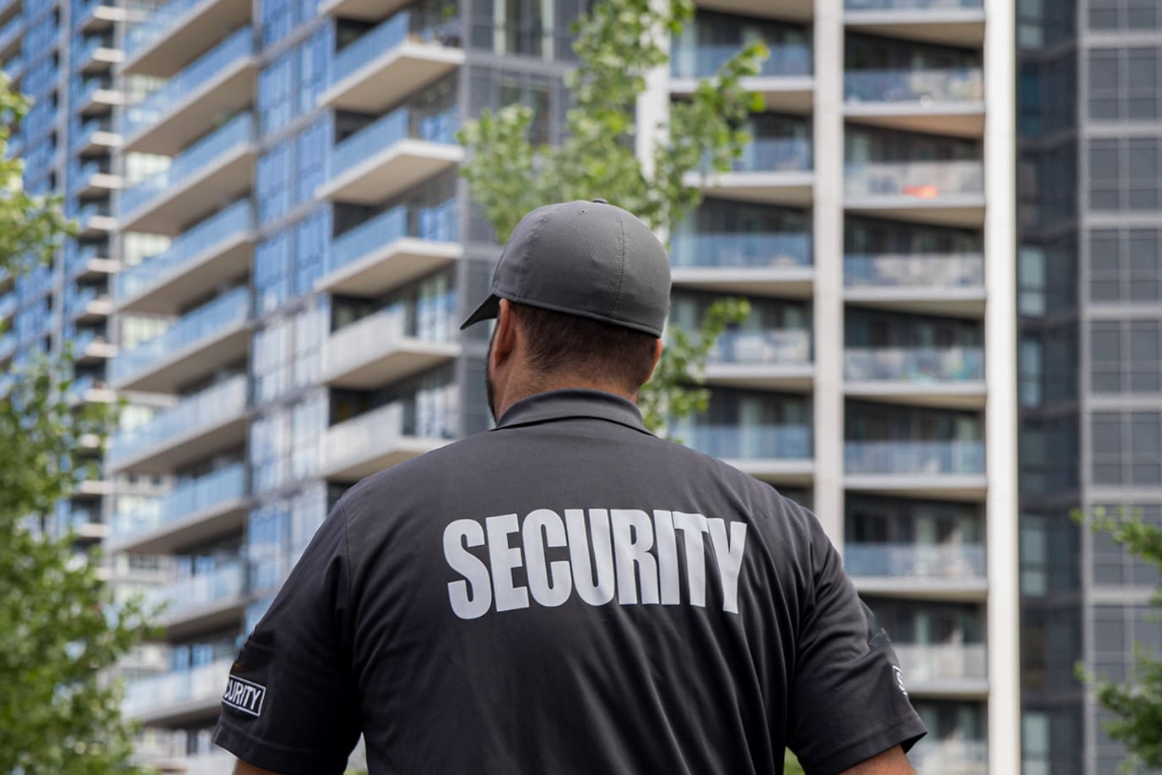
Living in a highrise apartment security Oakland has its perks. You get the views, the convenience of urban living, and access to amenities that single-family homes just don't offer. But high-rise living also comes with security considerations that renters and buyers should think about. Shared entrances, common areas, and lots of neighbors mean you're relying on building-wide security measures to keep everyone safe.
Oakland has high-rise residential buildings scattered across downtown, Lake Merritt, Jack London Square, and other neighborhoods. Some of these buildings have full-time security staff and modern access systems. Others have older setups with minimal coverage. Knowing what to look for helps you choose a building that fits your safety expectations, and knowing how to participate in building security makes the whole community safer.
What Good Building Security Looks Like
The lobby is where building security starts. Buildings with staffed front desks have someone controlling who gets in and out. Security officers or concierge staff verify visitors, sign for packages, and keep an eye on things. They get to know residents over time and can spot when something seems off. Buildings without staffed lobbies rely on intercoms and remote buzzing systems, which work but provide less protection.
Access control systems determine who can enter the building and where they can go inside. Key fobs and access cards work better than traditional keys because they're harder to copy and can be deactivated if lost or stolen. Some buildings require credentials to operate elevators to residential floors, which adds another barrier. When you're touring apartments, ask about these systems and how the building handles lost credentials.
Camera systems throughout the building help with both deterrence and documentation. Lobbies, hallways, parking garages, and amenity spaces should all have video coverage. The question to ask is what happens with that footage. Is someone actively watching the monitors, or is it just recorded for later review if something happens? Active monitoring means faster response to problems.
Parking Security Matters More Than You Think
Parking structures in high-rise buildings present real security concerns. Cars and their contents attract thieves. The enclosed spaces with limited visibility create opportunities for crimes against people. A parking garage with poor security can undermine an otherwise well-protected building.
Access control for parking should work separately from building access. Gate systems keep unauthorized vehicles out. Pedestrian doors between the garage and the building should require credentials too. When these systems work properly, people can't use the parking structure as a way to sneak into the building.
Lighting makes a difference in parking areas. Dark corners and dim stairwells don't just feel unsafe, they actually are. Good building management keeps parking areas well-lit and replaces burned-out fixtures quickly. If you're considering a building, take a walk through the parking structure and see how it feels.
What Residents Can Do
Building security isn't just the property manager's job. Individual residents play a role through their daily habits. The basics matter: don't hold doors open for people you don't recognize, don't prop open secure doors for convenience, and report suspicious activity when you see it. These small actions by lots of residents add up to meaningful improvements in building safety.
Package theft has become a real headache in apartment buildings. Packages left in lobbies or at unit doors disappear with frustrating regularity. Using package lockers when your building has them solves this problem. Timing deliveries for when you'll be home helps too. Some residents have started shipping packages to their workplaces or using pickup lockers at retail stores just to avoid the issue entirely.
Getting to know your neighbors creates informal security networks. When people on a floor recognize each other, they notice when strangers show up. Building community through casual conversations in hallways or at resident events strengthens these connections. Many buildings have online groups or apps where residents share information, including security-related updates.
Dealing with Problems
When something happens, reporting it helps the whole building. Even minor things like someone going door-to-door soliciting or a fire door that's been propped open deserve a report to management. Security teams and property managers can't fix problems they don't know about. Most buildings make reporting easy through apps, email, or front desk communication.
Serious incidents need police reports regardless of what building security does. Theft, assault, and other crimes require official documentation for insurance purposes and prosecution. Building security staff can help you file reports and may be able to provide camera footage that helps investigators.
Following up with management shows that residents care about security. Ask what actions were taken after you reported something. Attend building meetings where security gets discussed. When management sees that residents pay attention to these issues, they're more likely to invest in improvements.
How Buildings Can Get Better
Property managers thinking about security upgrades should start with professional assessments. Security consultants look at current measures, find the weak spots, and recommend improvements that actually address real risks. This approach prevents wasting money on things that look impressive but don't help much.
Adding or improving security personnel often makes the biggest difference. Buildings without lobby staff might start with daytime coverage. Buildings that already have coverage might extend hours or add patrol services for parking areas and common spaces. Companies like Vigilant Pro Private Security Services work with property managers to figure out what level of coverage makes sense for each building's situation and budget.
Technology investments should support the people doing security work, not replace them. The fanciest camera system doesn't help if nobody responds to what the cameras capture. Access control systems need someone managing credentials and investigating when things don't add up. Balance spending on equipment with investment in trained personnel who make everything work together.
Oakland's high-rise residents deserve to feel safe coming home at any hour. That takes a combination of good building security measures, residents who participate in keeping things safe, and management that takes security seriously. Buildings that get this right build communities where people actually want to live, and that benefits everyone from residents to property owners.

 English
 French
 Spanish
 Portuguese
 Deutsch
 Turkish
 Dutch
Dutch
 Italiano
 Russian
 Romaian
 Portuguese (Brazil)
 Greek
Greek