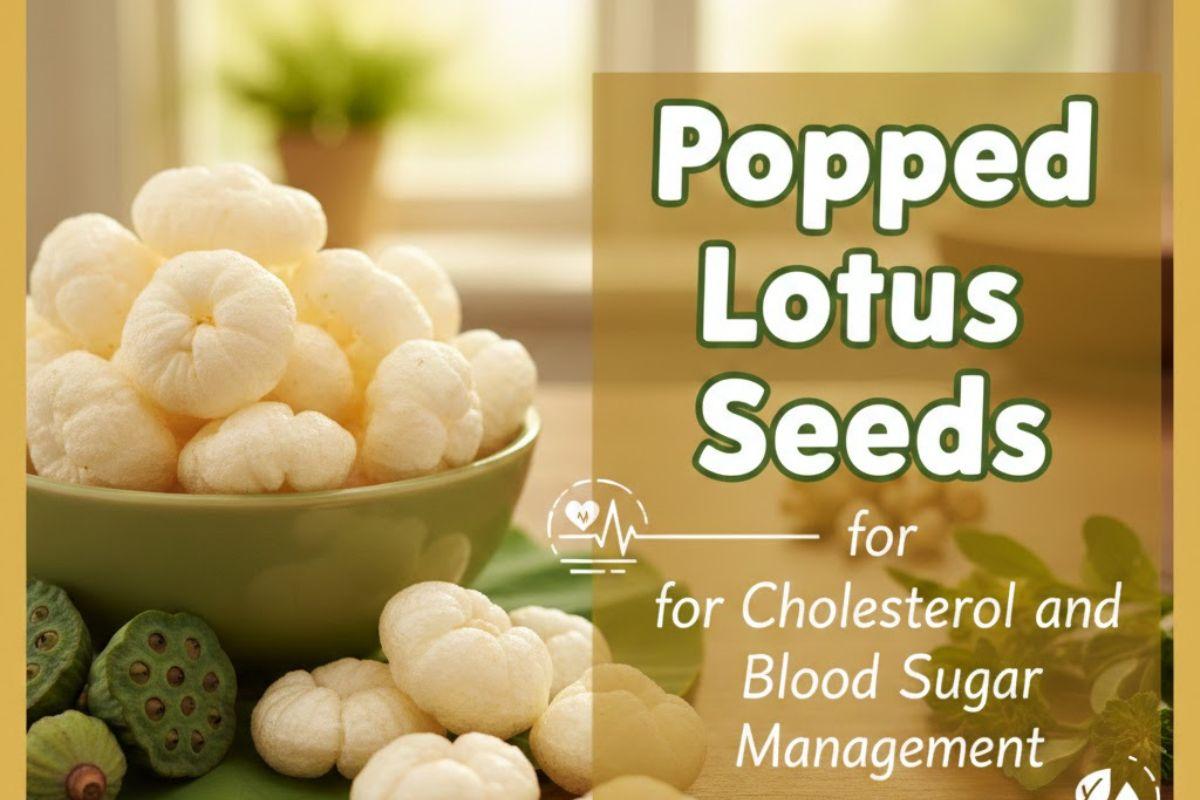
Popped lotus seeds don’t usually announce themselves loudly. They just sit there in a bowl, light, airy, almost boring at first glance. Then you start eating them. One handful becomes two. And somewhere between the crunch and that faint nutty taste, you realize they feel… easy. Not heavy. Not greasy. Just clean. A lot of people come to them while trying to manage cholesterol or blood sugar, sometimes out of curiosity, sometimes because their doctor casually suggested “lighter snacks.” In the middle of that shift, popped lotus seeds quietly find a place, often without much resistance.
I remember someone telling me they swapped their evening fried snacks with lotus seeds almost by accident. No big plan. Just trying. A few weeks later, they felt less bloated, less sluggish. Numbers on reports changed slowly, not magically, but enough to keep going.
Why cholesterol issues often start with snacking habits
Cholesterol rarely spikes because of one bad meal. It’s the daily stuff. The handful of chips. The biscuits with tea. Late-night nibbling that feels harmless.
Popped lotus seeds step in as a calmer option. They’re low in saturated fat and naturally light, which helps people reduce the intake of foods that push LDL cholesterol higher. Over time, replacing heavy snacks with something airy can ease pressure on lipid levels. It’s not dramatic. It’s steady. And steady works better for most bodies.
There’s also fiber. Not the flashy kind people talk about online, but enough to support digestion and help the body move excess cholesterol out rather than holding onto it.
Blood sugar and the problem with quick spikes
Blood sugar issues often feel sneaky. Energy crashes mid-morning. Sudden hunger even after eating. That weird shaky feeling if meals run late.
Popped lotus seeds have a low glycaemic impact compared to refined snacks. They digest slowly. That slow pace helps avoid sharp sugar jumps. People with prediabetes or those just trying to stay balanced often notice fewer sudden cravings when these seeds become part of the routine.
A small bowl between meals can feel surprisingly filling. Not stuffed. Just satisfied. That alone helps prevent reaching for sugary fixes later.
The role of fiber and plant protein
Lotus seeds bring a mix of dietary fiber and plant protein. Nothing extreme, yet enough to matter over time.
Fiber slows down carbohydrate absorption. That matters for blood sugar stability. Protein supports satiety, which reduces overeating later. Together, they create a snack that behaves politely inside the body. No chaos. No sugar rollercoaster.
Some people notice improved digestion too. Less heaviness after snacking. Less regret.
How popped lotus seeds compare to other “healthy” snacks
Nuts are good, sure. But they’re dense and easy to overeat. Protein bars often hide sugars behind clever labels. Rice cakes spike blood sugar faster than expected.
Popped lotus seeds land somewhere gentler. They’re low calorie by volume, so you can eat more without overdoing it. That psychological comfort matters. Feeling restricted rarely lasts.
Their texture also helps. Crunchy snacks feel more satisfying. Soft foods don’t register the same way.
Real-life eating patterns that actually work
Most people don’t revamp their entire diet overnight. They tweak. Slowly.
Replacing one snack a day with lotus seeds is common. Evening tea time. Office desk snack. Post-dinner munching when watching something mindless.
Some roast them lightly with a pinch of salt. Others add spices. A few prefer them plain. There’s room to adjust without losing the core benefit.
Consistency beats intensity here. Eating them once won’t change blood markers. Eating them often might.
What happens over weeks, not days
People often ask how fast results appear. Honestly, it varies.
Some feel changes in energy within a couple of weeks. Blood sugar readings may stabilize a bit. Cholesterol numbers usually take longer, sometimes months. That’s normal.
The body likes rhythm. Sudden changes confuse it. Gentle shifts settle in deeper.
Popped lotus seeds and weight balance
Weight ties closely to cholesterol and blood sugar. Lotus seeds don’t promise weight loss, but they help with portion control.
Low calorie density means fewer excess calories sneaking in. High satiety means less mindless eating. Together, they support gradual weight balance, which indirectly helps metabolic markers.
No drama. Just quieter eating habits.
Cultural roots and modern kitchens
Lotus seeds aren’t new. They’ve existed in traditional diets across Asia for generations. What’s new is the popped version fitting into modern snack culture.
They travel well. Store easily. Don’t leave greasy fingers. That practicality helps people stick with them.
Health foods that feel inconvenient rarely survive long-term.
A few small cautions, just being real
Portion still matters. Anything eaten endlessly can backfire.
Some packaged versions come with excess salt or flavor coatings. Reading labels helps. Plain or lightly seasoned versions usually feel better over time.
And yes, everyone’s body responds differently. Paying attention beats blind following.
How people usually add them into daily life
Morning snack with tea. Afternoon hunger fix. Evening TV companion. Some even toss them into salads for crunch.
They don’t demand a schedule. They fit into gaps. That flexibility keeps them around.
Over time, they stop feeling like a “health food” and start feeling normal. That’s probably the biggest win.
Some snacks shout about health. Others just quietly do their job. Popped lotus seeds feel like the second kind. You keep eating them because they feel right, not because someone told you to. And sometimes, that’s how habits actually stick.




 English
 Arabic
 French
 Spanish
 Deutsch
 Turkish
 Dutch
Dutch
 Italiano
 Russian
 Romaian
 Portuguese (Brazil)
 Greek
Greek