


Where Do Australian Fashion Brands Source Linen Fabric Clothing?
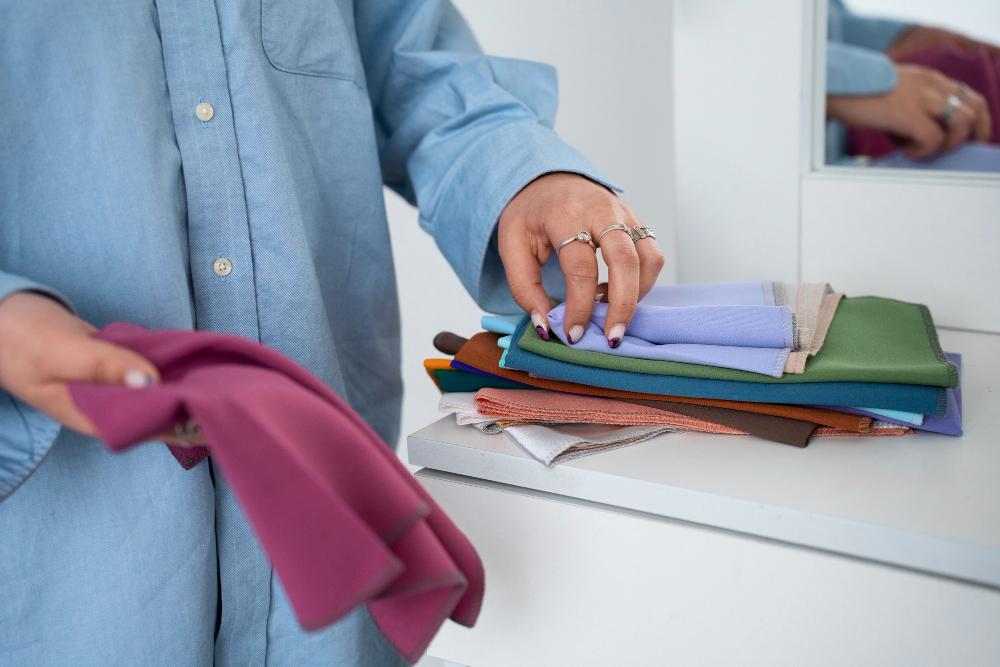
Linen fabric clothing has cemented its place in the Australian fashion landscape. Its breathability, durability, and natural texture make it an obvious choice for the hot, dry Australian climate. Consumers increasingly demand sustainable and comfortable apparel, driving brands to source high-quality linen. For fashion labels, finding the right garment manufacturer is the first step in meeting this demand.
Understanding where and how to source this material is critical for any brand looking to succeed in this market. This guide examines the sourcing landscape, key supplier qualities, and the role of woven fabric garmenting in the Australian fashion industry.
The Rise of Linen in Australian Fashion
Australia's climate dictates its fashion trends more than almost any other factor. The scorching summers and mild winters call for fabrics that regulate temperature and wick moisture. Linen fits this requirement perfectly. It is lightweight, absorbent, and dries faster than cotton.
Beyond functionality, linen aligns with the growing consumer shift toward sustainability. It comes from the flax plant, requires less water than cotton to grow, and is biodegradable. Australian consumers are savvy; they check labels for natural fibers. Brands that offer genuine linen fabric clothing gain a competitive edge.
However, sourcing high-quality linen is not as simple as picking a supplier from a list. The quality of the flax, the weaving process, and the final garment construction all impact the product's longevity and feel. Brands must navigate a complex supply chain to ensure they deliver a premium product.
Qualities to Look for in a Linen Fabric Clothing Supplier
Selecting a manufacturing partner determines the quality of your final collection. Australian brands prioritize specific attributes when vetting potential partners for woven fabric garmenting.
Certifications and Standards
Trust is essential in global trade. You cannot monitor every step of the production process personally, so certifications serve as a proxy for quality and ethical standards. Look for manufacturers who hold recognized certifications.
-
Oeko-Tex Standard 100: This certifies that the fabric is free from harmful substances.
-
European Flax: This guarantees traceability and that the linen fibers are of European origin, which is often considered the gold standard.
-
GOTS (Global Organic Textile Standard): If you are sourcing organic linen, this certification is non-negotiable.
These standards ensure that the linen fabric clothing you produce meets safety regulations and ethical expectations.
Minimum Order Quantity (MOQ)
MOQ is a major hurdle for emerging brands. Large manufacturers often require orders of thousands of units per style, which is unfeasible for small to medium enterprises (SMEs).
A flexible manufacturer understands the needs of growing businesses. Fabriclore Pvt Ltd, for example, is known for supporting brands with lower MOQs compared to industry giants. This flexibility allows Australian designers to test the market with smaller batches without overcommitting capital. Finding a partner who balances scale with flexibility is key to sustainable growth.
Customization Options
Off-the-shelf solutions rarely work for fashion brands aiming to build a unique identity. Customization capability is a critical factor in supplier selection. This goes beyond just dyeing fabric a specific color.
Effective woven fabric garmenting requires precise pattern making, custom sizing, and specific finishing techniques. Does the supplier offer custom prints? Can they handle intricate embroidery or specific stitching details? A competent garment manufacturer acts as a partner in the design process, translating sketches into tangible, high-quality products.
Overview of Australian Fashion Brands and Linen
The Australian market is diverse, ranging from high-end boutiques to accessible ready-to-wear labels. Many successful brands have built their reputation entirely on linen.
Established Brands Leading the Way
Prominent Australian labels often source their linen from specialized regions known for flax cultivation, such as France and Belgium, then manufacture the garments in countries with strong textile infrastructure like India, China, or Vietnam. Brands like Country Road and Zimmermann frequently incorporate linen into their summer collections. They set the standard for quality, often using heavier-weight linens that drape beautifully and resist excessive wrinkling.
The Shift to Sustainable Sourcing
There is a distinct trend among newer Australian labels to be transparent about their supply chain. They market not just the "linen" look, but the story behind it. They highlight the garment manufacturer, the origin of the fiber, and the ethical conditions of the factory.
This transparency creates a loyal customer base. When a brand can prove their linen fabric clothing is sourced responsibly, they justify a higher price point and build stronger brand equity. This shift pushes suppliers to be more open and accountable.
Why India is a Key Hub for Sourcing
While the raw flax often comes from Europe, India has emerged as a powerhouse for processing that fiber into fabric and finished garments. Indian manufacturers combine centuries of textile expertise with modern technology.
India offers a strategic advantage for Australian brands:
-
Cost-Effectiveness: Production costs are generally lower than in Europe, without compromising on craftsmanship.
-
Skilled Workforce: The history of textile production in India means there is a deep pool of skilled labor for intricate woven fabric garmenting.
-
Vertical Integration: Many Indian companies, such as Fabriclore Pvt Ltd, offer end-to-end solutions. They handle everything from fabric sourcing and dyeing to printing and garment construction. This simplifies the supply chain for Australian buyers.
Securing Your Supply Chain
Sourcing linen fabric clothing for the Australian market requires a balance of quality, ethics, and logistics. The demand for breathable, sustainable fashion shows no signs of slowing down.
For brands, the goal is to find a garment manufacturer that acts as an extension of their team. Whether you are an established retailer or a startup, prioritizing certifications, negotiating favorable MOQs, and ensuring robust customization options will set you on the path to success.
Companies like Fabriclore Pvt Ltd exemplify the type of modern manufacturing partner that brands need—tech-enabled, transparent, and quality-focused. By choosing the right partner, Australian fashion brands can continue to deliver the high-quality linen apparel that their customers love.

 English
 Arabic
 French
 Spanish
 Portuguese
 Deutsch
 Turkish
 Italiano
 Russian
 Romaian
 Portuguese (Brazil)
 Greek
Greek