


Beating the Georgia Humidity: How Local Weather Impacts Your Garage Door System
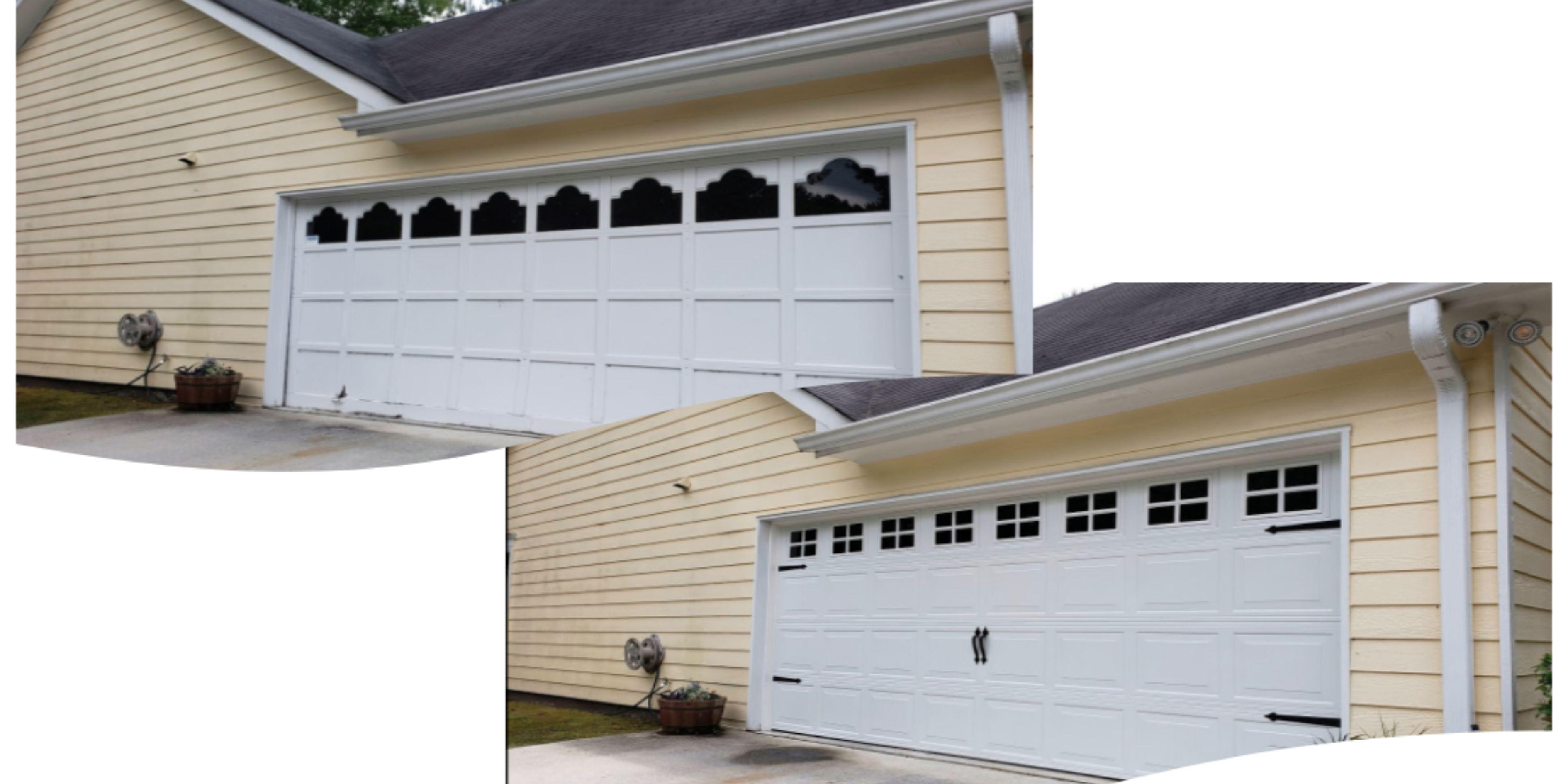
Warm days, frequent rain, and constant humidity—that’s how it feels most of the year in Georgia. People watch the sky when heading out, but rarely think about what all that moisture does inside walls and hinges.
Take the garage door. It moves more than almost anything else in the house, yet it’s often ignored until something sticks or groans. Rain sneaks into rollers. Heat slowly warps panels. Wood swells like a sponge left too long in water. When metal expands under the sun and cools quickly at night, parts begin to misalign without warning.
Knowing these small shifts happen isn’t magic—paying attention helps spot trouble before a cable snaps mid-winter. A little care now means fewer breakdowns later down the road.
Georgia Weather Challenges Garage Doors
Most of the months in Georgia are characterized by a humid atmosphere, which often exceeds 70% humidity, and by the same token, the temperature could go up and down unexpectedly. As a result, garage doors are continually subjected to conditions that put their durability to the test.
Moisture from the air is absorbed by metal parts. Wooden panels either expand or crack. The fog builds up inside the electronic parts that are housed. Each component becomes less functional gradually, and eventually, the doors no longer open and shut as quietly as they did in the past.
Summer heat, along with the changing of seasons, is a major factor in the problem. Cracks are quick to grow when the parts are continually expanding and contracting. The issues that were minor in the first place often turn out to be major ones under constant pressure.
How Humidity Changes Door Materials
In the past, when it was extremely hot and humid, up-and-down garage doors were the best. Moisture makes the door materials look and feel different and work differently. Wood doors, although they are good-looking, suffer from warping in moist conditions. In the process of absorbing the water, they get bigger, crooked, or rotten, which in effect makes them slow and difficult to move. This extra weight eventually takes its toll on hinges, tracks, and lift systems.
Mechanical Parts Under Constant Pressure
Inside the garage, hidden components are exposed to humid air every day. Springs that twist and stretch over time begin to weaken as moisture feeds corrosion. A weakened spring can snap without warning, releasing stored force and creating a serious safety risk. Repairs after a break are often costly and dangerous.
Rollers and bearings also suffer. Humidity mixes with dust and grime, slowly clogging moving parts. Motion becomes tight and uneven. Noises change. Doors hesitate. Without regular cleaning and lubrication, components age faster than expected.
Foggy air accelerates rust and causes metal parts to stick prematurely. When doors start dragging along tracks, homeowners often call the same professionals for automatic gate repair Marietta or driveway openers nearby—because moisture affects all outdoor and semi-outdoor systems the same way.
Seasonal Temperature Changes Affect Alignment
Metal expands and contracts with every temperature shift. Over time, those tiny movements add up. Tracks drift slightly. Cables loosen. The door begins to close unevenly—one side lagging behind the other. A door that once sealed tightly now sits crooked.
Drafts slip through uneven seals, forcing the opener to work harder. Attached garages feel it most, as outside air creeps into living spaces through small gaps.
Regular Upkeep Makes the Difference
Preventive measures can be applied for the majority of garage door issues due to the weather. Regular checks are the best way to ensure that rusty, distorted panels, or misalignment do not get to an extent where they require major repairs. The use of moisture-resistant lubricants allows smooth operation of parts and, at the same time, prevents corrosion of metals.
Sealing and repainting are the two ways to keep the doors made of wood properly maintained and secure against water intrusion. The metal doors should be inspected for places where paint has come off or where the steel is raw, as rust would be likely to spread fast if allowed to. Another thing to consider is the weather stripping. The right kind of seals not only keep moisture, pests, and debris out but also last longer. A seal that is not loose prolongs the life of the door and protects the items stored in it.
When You Need Expert Help
Homeowners can handle basic maintenance, but some tasks require a trained technician. Spring repairs, track adjustments, and electrical diagnostics demand skill and experience. Attempting these without proper training can cause injury or further damage.
Because Georgia’s climate puts additional strain on storage systems, regular professional inspections help prevent sudden failures. A well-maintained door handles seasonal changes without stress, staying safe and reliable year after year.
Conclusion
Morning dew lingers, settling into hinges that creak by afternoon. Heat surges after cold snaps cause wood to expand, then crack. Metal parts wear faster when damp air hangs around day after day. A slight wobble today could mean a cable has fallen tomorrow.
Fixing issues early keeps the entire system running smoothly. Safety depends on consistent performance as much as daily convenience.
Facing Georgia’s challenging weather, homeowners need dependable solutions. Companies like Total Garage Care, LLC, help maintain garage doors when conditions turn rough. What matters most is reliable operation through heat, humidity, and storms.

 English
 Arabic
 French
 Spanish
 Portuguese
 Deutsch
 Turkish
 Italiano
 Russian
 Romaian
 Portuguese (Brazil)
 Greek
Greek