


Ground Engineering and Civil Australia: Building Stable, Sustainable, and Resilient Infrastructure
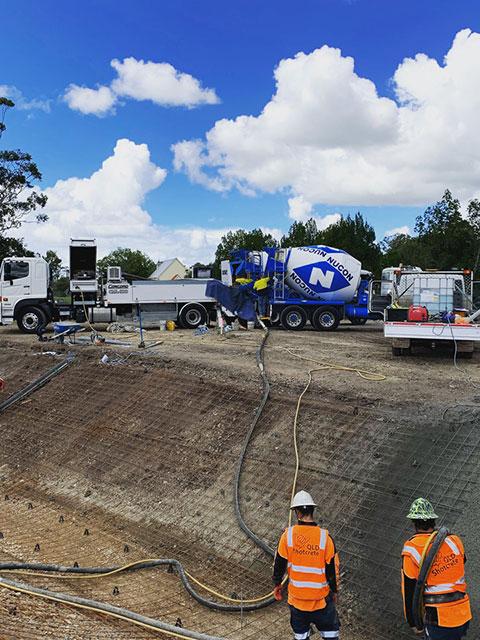
Explore the importance of ground engineering in Australia’s civil projects, focusing on soil stability, foundation performance, and drainage solutions that support long-term infrastructure resilience.
Ground engineering plays a fundamental role in shaping the success of Australia’s civil infrastructure. As cities grow and regional areas expand, construction projects must adapt to diverse soil conditions, environmental requirements, and long-term performance demands. From stabilising slopes and reinforcing foundations to managing subsurface water through effective drainage, ground engineering is essential in ensuring that built assets remain safe, stable, and durable.
Understanding Ground Engineering in Australia
Ground engineering involves the assessment, design, and improvement of subsurface conditions to support civil and structural works. Australia presents unique geological challenges, with soil compositions ranging from coastal sands to expansive clays and rugged rock formations across inland regions. To handle this diversity, engineers conduct detailed investigations using geotechnical drilling, laboratory testing, and modelling techniques to understand how the ground will behave under load.
Civil projects rely heavily on ground engineering expertise to avoid structural failures, excessive settlement, or erosion damage. A thorough understanding of the subsurface environment allows engineers to design efficient foundations, stabilisation systems, and earthworks that support both temporary and permanent developments.
Civil Engineering and the Built Environment
Australia’s built environment continues to transform, with major investments in roads, bridges, utilities, commercial precincts, and public infrastructure. Civil engineering integrates planning, design, and construction to deliver assets that meet communities’ evolving needs. However, civil outcomes can only be as reliable as the ground beneath them. Without proper preparation and reinforcement, even the most advanced civil designs may suffer from instability or performance issues over time.
Ground engineering provides the foundation that civil projects depend on. It creates a stable platform for structures, facilitates safe excavation, protects against soil movement, and helps handle environmental variables such as water flow and erosion. These elements are essential for sustaining long-term infrastructure performance in a rapidly developing nation.
The Importance of Managing Soil Behaviour
One of the most critical aspects of ground engineering is predicting and managing soil behaviour. Soils react differently under various moisture levels, loads, and environmental conditions. For instance, expansive clays common in many regions of Australia swell when wet and shrink during dry periods, creating challenges for foundation stability. Similarly, loose sands may require densification or reinforcement before supporting structures.
To address these concerns, engineers employ strategies such as ground compaction, grouting, soil improvement, and reinforcement systems. These techniques optimise ground performance and reduce the risk of settlement or movement that could compromise civil works. Understanding soil behaviour is not only essential for structural safety but also for reducing long-term maintenance costs associated with repairing damaged assets.
Drainage: The Silent Pillar of Ground and Civil Engineering
One aspect of ground engineering that often goes unnoticed by the public but is crucial for project longevity is drainage. Poor drainage can undermine foundations, weaken slopes, cause erosion, trigger landslides, and damage pavements. Managing surface and subsurface water is therefore a major focus in civil and geotechnical design.
Effective drainage systems help control groundwater, channel stormwater, and prevent soil saturation. Engineers may incorporate subsurface drains, stormwater pipes, catchment systems, and roadside channels to manage water efficiently. In challenging terrains or areas exposed to heavy rainfall, drainage can be the difference between a stable structure and a failing one. Without proper water management, even well-designed projects can suffer from instability or premature deterioration.
The role of drainage extends beyond structural safety. It also supports environmental protection by preventing sediment movement, controlling erosion, and reducing the impact of runoff on ecosystems. As climate variability increases across Australia, incorporating adaptable drainage solutions in civil projects becomes even more important.
Slope Stability and Excavation Support
Slope stability is another vital component of ground engineering, particularly in regions with valleys, riverbanks, or elevated terrain. Civil works such as road widening, bridge construction, or residential development often require excavation into slopes or embankments. Without reinforcement, these areas risk collapse due to gravity, rainfall, or geological conditions.
Engineers use retaining walls, reinforced earth systems, anchoring techniques, and stabilisation materials to secure slopes and reduce the risk of failure. Combining these methods with well-designed drainage ensures that slopes remain resilient during wet conditions or under structural loads.
Excavation support is also important in urban areas where construction occurs near existing buildings or roads. Ground engineering techniques protect infrastructure and provide safe working conditions for construction teams.
Foundations and Civil Stability
Foundations serve as the interface between the structure and the ground below. Their design depends on soil type, structural loads, and environmental dynamics. In some cases, shallow foundations such as spread footings are suitable, while deeper systems like piles are required for weak or compressible soils.
Civil projects rely on foundations that can resist settlement, uplift, lateral movement, and long-term environmental shifts. Engineers analyse water levels, drainage patterns, and soil strength to determine the most appropriate foundation type. When combined with slope stability measures and drainage systems, foundations form a comprehensive stability strategy for civil assets.
Future Growth and Sustainability in Ground Engineering
Australia’s future civil growth will hinge not only on structural innovation but also on sustainable ground engineering practices. Projects now consider environmental impact, carbon emissions, waste management, and water conservation. Sustainable drainage systems, erosion control solutions, and soil recycling methods represent a forward-thinking approach that benefits both communities and the environment.
Technological advancements such as digital modelling, remote monitoring, and 3D mapping are also shaping the future of ground engineering. These tools improve accuracy, reduce risk, and allow engineers to predict long-term performance more effectively.
Conclusion
Ground engineering forms the foundation of Australia’s civil development. Through soil assessment, foundation design, slope reinforcement, and effective drainage, engineers help ensure that infrastructure remains safe, resilient, and sustainable. As the country continues to grow and adapt to new environmental challenges, the role of ground engineering will become even more essential in creating a stable and future-ready built environment.

 English
 Arabic
 Spanish
 Portuguese
 Deutsch
 Turkish
 Dutch
Dutch
 Italiano
 Russian
 Romaian
 Portuguese (Brazil)
 Greek
Greek