


Ground Cover in Agriculture: Benefits and Applications
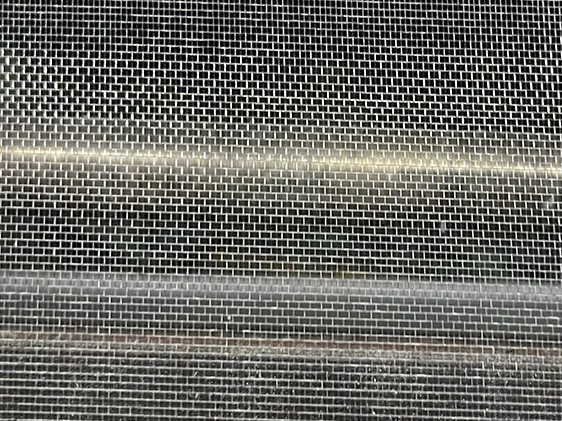
A ground cover fabric is an effective tool for protecting soil surfaces in farms, gardens, and construction zones. Designed from polypropylene fibers, it provides strength, water permeability, and UV resistance, ensuring long-term outdoor performance. Its practical applications span agriculture, landscaping, and temporary work zones.
In farming, ground cover helps reduce weed growth, manage moisture, and maintain clean surfaces in greenhouses and nurseries. The fabric also improves operational efficiency by reducing soil splash and lowering the risk of pathogen transfer during irrigation. Workers benefit from safer and cleaner walkways, enhancing productivity and hygiene in cultivation environments.
In landscaping, ground cover is installed under gravel, mulch, or decorative stones to stabilize surfaces and separate soil layers. In construction and temporary outdoor events, heavier fabrics prevent soil compaction from foot traffic or equipment. Studies show that compaction control improves water absorption and reduces runoff, emphasizing the functional value of ground cover.
Most fabrics are designed for UV resistance and allow water and air to pass through efficiently. Applications extend to walkways, garden paths, event grounds, and temporary installations. The material’s durability and permeability make it suitable for repeated or seasonal use, highlighting its adaptability.
In summary, ground cover is a reliable material that supports soil protection, surface stability, and efficient management in diverse environments. Its use in agriculture, landscaping, and construction demonstrates practical benefits for both daily operations and long-term projects.

 English
 Arabic
 French
 Spanish
 Portuguese
 Deutsch
 Turkish
 Dutch
Dutch
 Russian
 Romaian
 Portuguese (Brazil)
 Greek
Greek