


How Allied Health Sciences Colleges Prepare Healthcare Professionals
Allied Health Sciences colleges play a critical role in strengthening the healthcare ecosystem by training professionals who support diagnosis, treatment, rehabilitation, and patient care. As healthcare delivery becomes more complex and technology-driven, these colleges focus on building a workforce that is skilled, adaptable, and industry-ready. A strong academic foundation is the first pillar of allied health education. Curricula balance core medical sciences such as anatomy, physiology, pathology, and biochemistry with discipline-specific subjects to ensure clinical understanding and technical competence.
Emphasis on Hands-on Practical Training
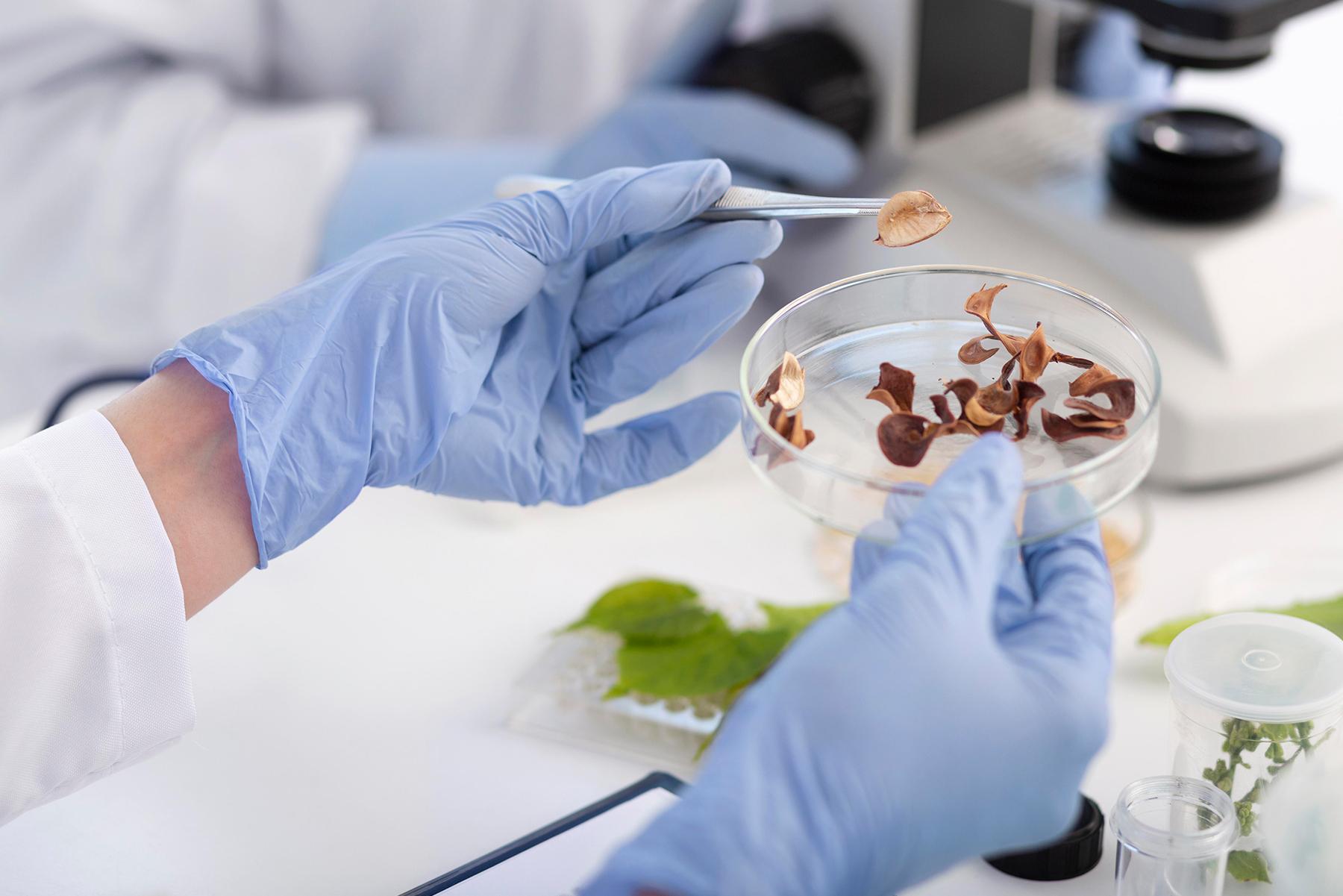
Practical training is where allied sciences courses colleges truly differentiate themselves. Well-equipped laboratories, simulation centres, and skill labs allow students to practice procedures in a controlled environment before interacting with real patients. From operating diagnostic equipment to handling clinical samples and assisting in therapeutic procedures, hands-on exposure builds confidence, accuracy, and professional readiness.
Clinical Exposure and Internship Programs
Clinical exposure and internships form an essential component of allied health education. Colleges collaborate with hospitals, diagnostic centres, and rehabilitation facilities to provide supervised clinical postings. These experiences help students understand hospital workflows, patient care protocols, ethical practices, and interdisciplinary coordination, preparing them for real clinical environments.
Development of Professional and Soft Skills
Beyond technical expertise, allied health sciences colleges focus on developing communication skills, teamwork, documentation practices, and patient empathy. Structured workshops, seminars, and expert sessions help students understand the importance of professionalism, ethical conduct, and effective patient interaction in healthcare settings.
Career Readiness and Industry Alignment
Career preparedness is supported through mentoring, guidance on certifications, and placement assistance. Colleges also expose students to emerging healthcare roles and higher education pathways. By aligning academic training with industry standards and evolving healthcare needs, allied health sciences colleges ensure graduates are competent, confident, and ready to contribute meaningfully to modern healthcare systems.
Conclusion
In an evolving healthcare landscape, allied sciences courses serve as the backbone of professional healthcare training. Through academic rigor, practical exposure, clinical experience, and career-focused guidance, these institutions prepare skilled professionals who enhance healthcare efficiency, improve patient outcomes, and support the growing demand for quality medical services.

 English
 Arabic
 French
 Spanish
 Portuguese
 Deutsch
 Turkish
 Italiano
 Russian
 Romaian
 Portuguese (Brazil)
 Greek
Greek