


How Ease of Use Determines Whether Print Gets Read or Skimmed
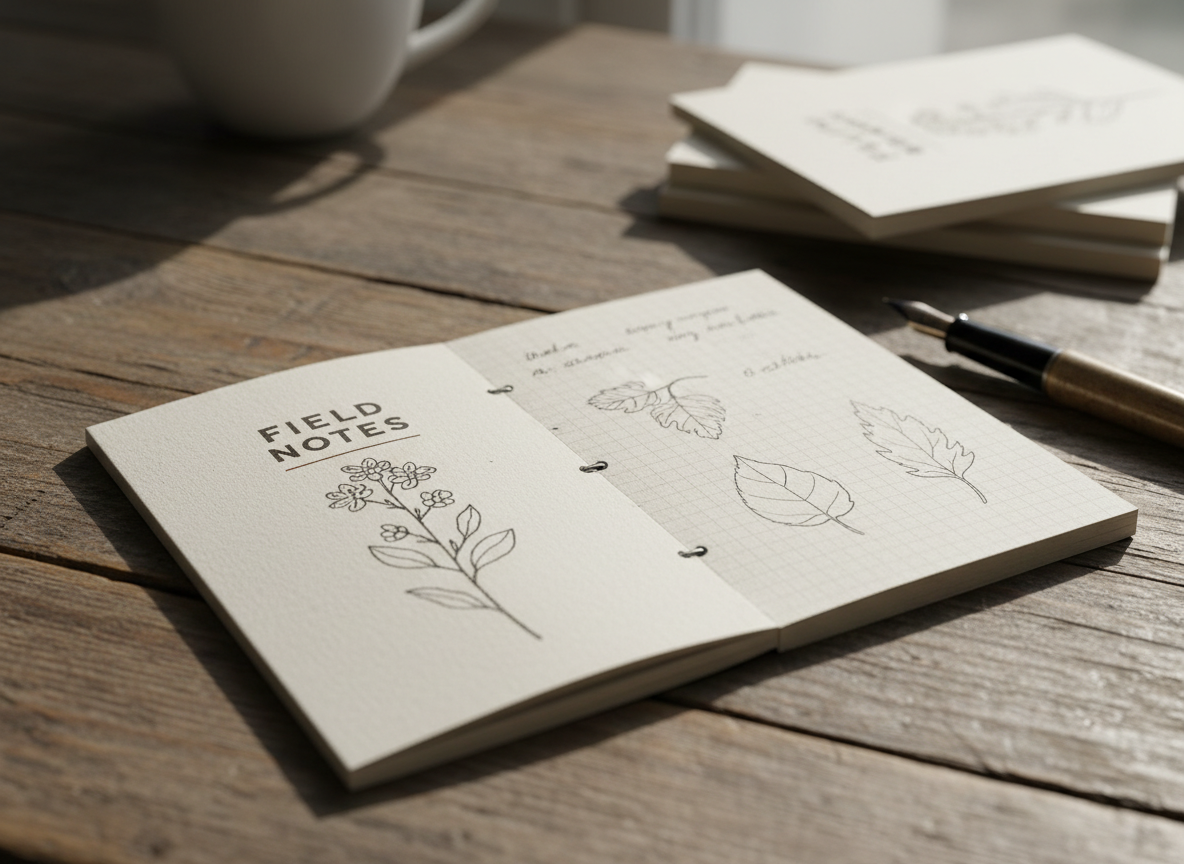
People don’t decide to skim printed material because they’re disinterested. They skim because the material makes reading feel like work.
This is something that often gets missed in print projects. Time is spent refining content, polishing design, and approving proofs, yet very little attention is paid to how easy the finished piece is to live with once it’s in someone’s hands. Ease of use isn’t a bonus feature in print. It’s the deciding factor between careful reading and surface-level engagement.
In everyday settings, printed materials are judged quickly. Not on quality in the abstract, but on how cooperative they feel in real conditions. When print supports the reader, people slow down. When it doesn’t, they adapt by skimming.
Reading Print Competes With Reality
Printed materials are rarely read in ideal circumstances. They’re picked up between tasks, during conversations, in meetings, on counters, or while standing. Attention is fragmented. Time is limited.
In these conditions, ease of use becomes decisive.
If a printed piece:
-
Opens naturally
-
Stays open where it’s left
-
Allows information to be found quickly
-
Doesn’t require constant adjustment
Then reading feels possible. If any of those things are missing, people default to scanning headings, glancing at highlights, and moving on.
This isn’t a failure of interest. It’s a response to friction.
Ease of Use Is Physical Before It’s Cognitive
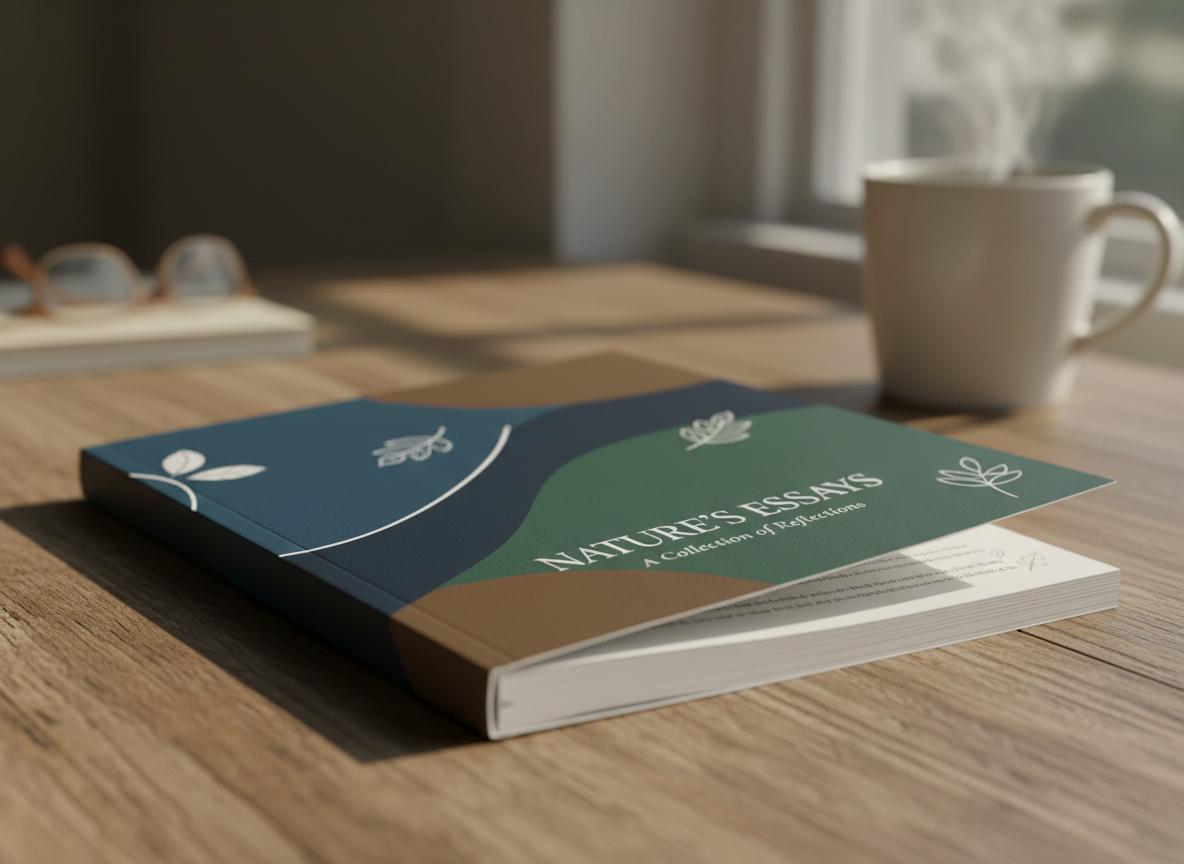
Before anyone engages with the meaning of printed content, they engage with the object itself.
They notice:
-
How it opens
-
How it sits on a surface
-
Whether pages move freely
-
How much effort it takes to hold
These impressions happen immediately and mostly without conscious thought.
If the physical experience feels awkward, the brain shifts into efficiency mode. Readers start looking for shortcuts. Skimming becomes a coping strategy.
When the physical experience feels effortless, the reader has space to engage more deeply.
Small Frictions Add Up Quickly
Most print-related frustrations are minor on their own. A page that won’t stay open. Text that sits too close to a spine. A format that requires two hands when one would do.
Individually, these issues seem insignificant. Collectively, they change behaviour.
Each small adjustment pulls attention away from the content. Over time, readers learn that engaging fully requires more effort than they’re willing to give in that moment.
Skimming becomes the default, not because the content lacks value, but because the format demands too much from the reader.
Ease of Navigation Encourages Reading
People rarely read printed materials straight through. Even when content is well structured, readers move back and forth, look for specific sections, and re-check earlier points.
Ease of use depends heavily on how easily this movement is supported.
When navigation feels intuitive:
-
Readers are more likely to explore
-
They spend longer with the material
-
They return to it later
When navigation feels awkward:
-
Readers stay near the front
-
They rely on memory instead of checking
-
They disengage sooner
This behaviour isn’t about discipline. It’s about energy.
Flat, Stable Formats Change Reading Behaviour
One of the most practical aspects of ease of use is whether printed material stays open without help.
When a document lies flat:
-
Readers can place it alongside other work
-
Notes can be taken without juggling pages
-
Attention stays on the content
When it doesn’t:
-
One hand is always occupied
-
Pages are read at angles
-
The act of holding interferes with thinking
This difference directly affects how deeply someone reads. Materials that cooperate physically encourage reading. Materials that resist it encourage scanning.
Why Familiarity Feels Easier
Formats people recognise tend to feel easier, even before they’re used. Familiarity reduces cognitive load.
If someone knows instinctively how to handle a printed piece, they’re more comfortable engaging with it. If they have to work out how it’s meant to be used, they’re already expending effort before reading begins.
This doesn’t mean unfamiliar formats should be avoided. It means unfamiliar formats need to work especially hard to feel intuitive.
Ease of use is about reducing decision-making, not impressing the reader.
Visual Clarity Supports Physical Ease
Ease of use isn’t only about construction. Visual decisions play a role too.
Clear hierarchy, predictable spacing, and readable text allow readers to orient themselves quickly. When layout supports scanning, readers feel in control.
When layout is dense, inconsistent, or visually demanding, readers skim defensively. They look for the shortest path through the content.
Visual clarity doesn’t simplify content. It makes engagement less tiring.
Why Skimming Is a Rational Response
Skimming is often framed as a problem to be solved. In reality, it’s a rational response to perceived effort.
When a printed piece signals that full reading will be demanding, readers adjust their behaviour. They extract what they can quickly and move on.
This adjustment isn’t a rejection of the content. It’s a negotiation with time, attention, and comfort.
Understanding this reframes the issue. The goal isn’t to force reading. It’s to remove the reasons people skim.
Ease of Use Influences Trust
Printed materials that are easy to use tend to be trusted more.
Trust here doesn’t mean belief in the content. It means confidence that the material will be helpful when needed.
If readers have previously struggled to use a document, they’re less likely to return to it, even if the information is relevant. If previous interactions were smooth, the document earns a place in regular use.
This trust is built quietly, through repeated positive interactions.
Why Good Content Still Gets Skimmed
When strong content is skimmed, the instinct is to revise the writing. Shorten paragraphs. Add highlights. Simplify language.
Sometimes that helps. Often it doesn’t.
If the underlying issue is ease of use, content changes won’t solve it. The reader isn’t avoiding the words. They’re avoiding the effort required to engage with them.
Until that effort is reduced, skimming remains the logical choice.
Ease of Use Is Decided Early
Most ease-of-use issues are baked in early, during format and specification decisions.
Once something is printed, its behaviour is fixed. Margins, binding, paper flexibility, and size all contribute to how easy it is to handle.
When ease of use is considered early, these elements can work together. When it’s considered late, compromises are unavoidable.
Early decisions protect engagement later.
Observation Changes How Print Is Designed
When organisations observe how people actually use printed materials, priorities shift.
They notice:
-
Which documents stay open on desks
-
Which get folded or weighted down
-
Which are returned to repeatedly
-
Which are set aside after one glance
These observations reveal that ease of use isn’t theoretical. It’s visible in behaviour.
Designs that look impressive but resist use don’t last. Designs that quietly support interaction do.
Why Production Experience Matters
Understanding ease of use comes from seeing patterns over time.
Printers who handle repeat work notice which formats lead to reorders and which quietly disappear. They hear informal feedback. They see wear patterns that indicate how materials are handled.
This perspective helps bridge the gap between intention and outcome.
UK-based printers such as I YOU PRINT tend to develop this insight because they’re involved beyond the moment of delivery and see how printed materials perform once they enter real environments.
Final Perspective
Whether print gets read or skimmed is not decided by content alone. It’s decided by how easy the material is to engage with under everyday conditions.
Ease of use reduces friction. Reduced friction encourages attention. Attention creates space for content to be absorbed.
When printed materials support the reader rather than challenge them, reading becomes the natural response — not skimming.

 Arabic
 French
 Spanish
 Portuguese
 Deutsch
 Turkish
 Dutch
Dutch
 Italiano
 Russian
 Romaian
 Portuguese (Brazil)
 Greek
Greek