


NFT Marketplace Development Explained: Key Features and Architecture
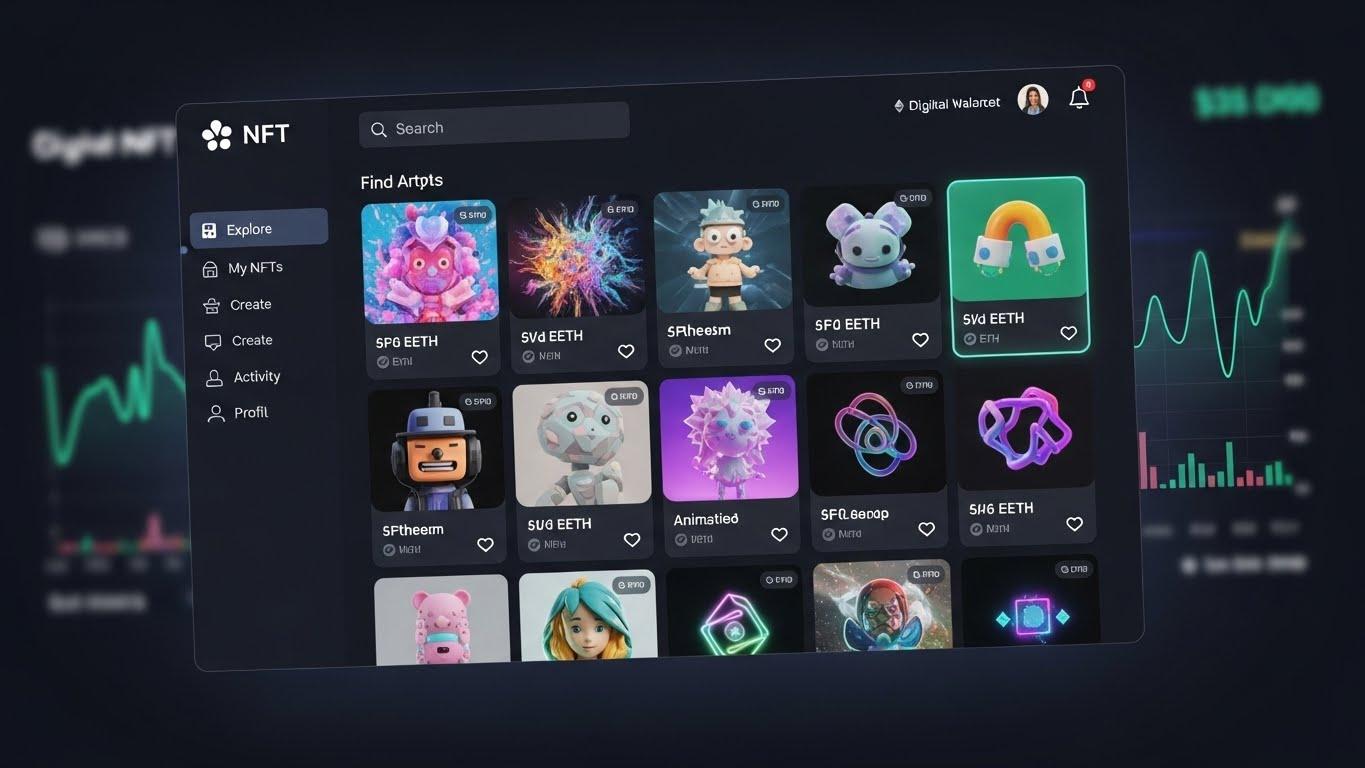
An NFT marketplace is a digital ecosystem designed to facilitate the creation, exchange, and ownership verification of non-fungible tokens. These platforms operate at the intersection of blockchain infrastructure, smart contract logic, and user-centric interfaces. As NFTs continue to gain relevance across industries such as digital art, gaming, entertainment, and asset tokenization, the technical foundation of these marketplaces becomes increasingly important. Understanding how these platforms function internally helps businesses and developers design systems that are secure, scalable, and transparent while supporting evolving digital ownership models within modern decentralized environments.
What Is an NFT Marketplace?
An NFT marketplace functions as a decentralized trading environment where unique digital assets are listed, discovered, and exchanged using blockchain technology. Unlike conventional digital platforms, these marketplaces rely on immutable ledgers to validate authenticity, ownership history, and transaction records. They also provide structured environments for creators and collectors to interact without intermediaries. By integrating token standards, metadata storage, and verification mechanisms, a marketplace ensures that assets remain tamper-proof and traceable. This foundational structure enables trust-driven transactions while maintaining openness and accessibility across global user bases.
Core Features of an NFT Marketplace
The operational strength of an NFT marketplace depends on a carefully designed feature set that supports creators, buyers, and administrators alike. Each feature plays a distinct role in maintaining usability, transparency, and transactional integrity across the platform.
-
User Registration and Wallet Integration
Users access marketplaces through blockchain wallets that act as both identity and asset storage tools. Wallet connectivity enables secure authentication without centralized credentials. This method ensures ownership verification while giving users full control over their digital assets. -
NFT Minting and Asset Management
Minting features allow creators to tokenize assets by defining metadata, supply limits, and ownership details. Asset management tools provide visibility into listed, sold, and owned NFTs. These tools simplify portfolio tracking and content organization. -
Buying, Selling, and Auction Mechanisms
Marketplaces support direct sales, bidding models, and timed auctions. Smart contracts automatically enforce pricing rules and asset transfers. This automation eliminates disputes and ensures transactional accuracy. -
Royalty and Payment Distribution
Royalty mechanisms guarantee that creators receive predefined earnings from secondary sales. Payment flows are executed transparently through blockchain transactions. This system supports sustainable creator participation.
User Experience and Interface Layer
The user experience layer translates complex blockchain operations into accessible interactions for diverse audiences. A well-structured interface allows users to browse collections, analyze asset details, and complete transactions with clarity. Responsive design ensures consistent performance across devices, while intuitive dashboards reduce learning curves. Advanced filtering and search options enhance asset discovery, improving engagement. By abstracting technical processes such as transaction confirmations, the interface supports smoother interactions without reducing transparency or user control.
Blockchain and Smart Contract Architecture
The architectural foundation of an NFT marketplace is built on blockchain networks and smart contracts that govern all core operations. Blockchains store immutable records of ownership, while smart contracts define minting rules, transfer logic, and marketplace fees. In NFT marketplace development, modular contract frameworks are often implemented to support upgrades and interoperability. Backend services index on-chain data and relay it to the interface in real time. This layered architecture ensures reliability, automation, and decentralization across the entire platform lifecycle.
Security, Compliance, and Scalability Considerations
Long-term marketplace success depends on strong security practices, regulatory awareness, and scalable infrastructure. These elements protect users while enabling growth.
-
Smart Contract Audits
Audits evaluate contract logic to identify vulnerabilities before deployment. They reduce the risk of exploits and asset loss. Audited systems strengthen platform credibility. -
Data Protection and Privacy
User-related information stored off-chain requires strong encryption and access controls. Secure handling of this data prevents misuse. Privacy measures align platforms with global compliance standards. -
Scalability and Performance Optimization
High transaction demand can affect performance and cost. Layer-2 solutions and optimized indexing improve throughput. Scalable systems maintain stability during increased usage.
Revenue Models and Monetization
Monetization strategies ensure marketplace sustainability while supporting continuous innovation. These models balance platform profitability with user fairness.
-
Transaction Fees
A percentage-based fee is charged on completed trades. This revenue supports infrastructure and maintenance. Transparent fee structures build user trust. -
Premium Listings and Promotions
Paid promotional options increase asset visibility for creators. These tools help highlight collections without disrupting organic discovery. Revenue is generated without limiting access. -
White-Label and Enterprise Solutions
Businesses may license marketplace frameworks for customized deployment. Support and customization services add recurring income. This expands platform adoption across industries.
Conclusion
NFT marketplaces are complex systems that combine decentralized technology with user-focused design principles. Every component, from wallet connectivity to scalable infrastructure, contributes to platform reliability and trust. By prioritizing security, usability, and modular architecture, developers can create adaptable platforms capable of supporting evolving digital asset ecosystems. As adoption increases across sectors, NFT marketplace development will continue to emphasize transparency, automation, and interoperability, shaping how digital ownership and value exchange are managed in decentralized environments.

 English
 Arabic
 French
 Spanish
 Portuguese
 Deutsch
 Turkish
 Dutch
Dutch
 Italiano
 Romaian
 Portuguese (Brazil)
 Greek
Greek