


Pressure and Water Level Control in Pumps
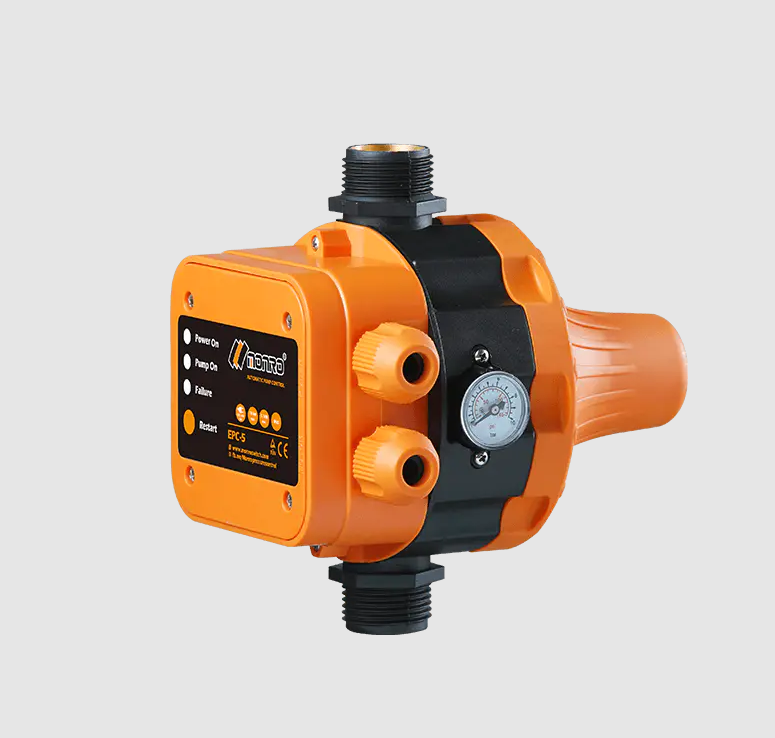
Importance of Automatic Water and Pressure Control
Automatic Pump Control systems are essential in modern water supply, wastewater management, and industrial fluid handling. These systems ensure that water levels and pressure remain stable without the need for constant manual monitoring. By automatically regulating pump operation based on real-time conditions, they improve efficiency, prevent equipment damage, and maintain consistent service. Understanding the mechanisms behind these systems helps engineers, operators, and facility managers optimize performance and reliability.
Sensors: The Core of Automatic Regulation
Sensors play a crucial role in automatic pump control systems. Water level sensors detect the height of water in tanks, reservoirs, or sumps, while pressure sensors monitor the pressure within pipelines or vessels. These sensors provide continuous feedback to the control system, which then determines whether to start, stop, or modulate the pump operation. Float switches, ultrasonic sensors, and pressure transducers are commonly used, each selected based on accuracy, response time, and environmental conditions. Proper sensor placement ensures accurate readings, which are essential for effective automatic control.
Control Logic and Programming
Once sensor data is collected, the control system applies programmed logic to regulate pump behavior. This logic often includes preset thresholds for water level or pressure. For instance, when water drops below a minimum level, the system triggers the pump to operate until the desired level is reached. Conversely, if pressure exceeds a maximum threshold, the system may reduce pump speed or shut down the pump to prevent overpressure. Modern systems use programmable logic controllers (PLCs) or microcontroller-based units, allowing customizable settings for different operational requirements.
Pump Modulation and Variable Speed Drives
Advanced automatic pump control systems often incorporate variable speed drives (VSDs) or frequency converters. These components allow pumps to operate at variable speeds, adjusting flow rates to match demand precisely. By modulating pump speed rather than relying solely on on/off cycling, the system maintains stable pressure and water levels while reducing energy consumption. Variable speed control also minimizes mechanical stress on pumps and pipes, extending equipment life and reducing maintenance costs.
Integration with Remote Monitoring and Alerts
Modern automatic pump control systems frequently integrate with remote monitoring platforms. Real-time data on water levels, pressures, and pump status can be accessed via control panels or mobile applications. Alerts can be configured to notify operators of abnormal conditions, such as sensor failure or unexpected water level fluctuations. This integration enhances system reliability and allows timely intervention, preventing potential damage and ensuring continuous operation.
Benefits and Applications
Automatic regulation of water levels and pressure provides numerous benefits. It ensures a consistent water supply for residential and commercial buildings, maintains pressure in industrial pipelines, and protects pumps and infrastructure from damage caused by dry running or overpressure. Applications include water treatment plants, irrigation systems, pumping stations, and building management systems. By automating control, these systems improve efficiency, reduce labor costs, and enhance overall system safety.
Automatic Pump Control achieves precise regulation of water levels and pressure through a combination of sensors, control logic, variable speed modulation, and remote monitoring. These systems provide reliable, energy-efficient, and safe operation across a wide range of applications. Understanding the mechanisms and benefits of automatic regulation enables operators and engineers to optimize pump performance, extend equipment life, and ensure stable and continuous fluid management.
The working principle of the device adopts dual control of Pressure and flow. It goes auto on and auto off for the water pump when water pressure changes based on water consumption.

 English
 Arabic
 French
 Spanish
 Portuguese
 Deutsch
 Turkish
 Dutch
Dutch
 Russian
 Romaian
 Portuguese (Brazil)
 Greek
Greek