


Nuclear Power Generation in India: Driving the Future of Clean Energy
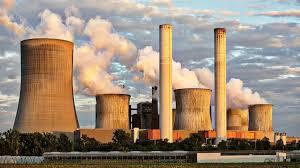
As one of the fastest-growing economies in the world, faces an ever-increasing demand for energy. To meet this demand sustainably, the country has been investing heavily in nuclear power generation, an energy source that offers reliability, low greenhouse gas emissions, and energy security. This article explores the current state of nuclear power in India, its potential, challenges, and future prospects.
What is Nuclear Power Generation?
Nuclear power generation in India involves producing electricity through nuclear fission, a process in which the nucleus of an atom, typically uranium-235 or plutonium-239, splits into smaller parts, releasing a massive amount of energy. This energy is used to heat water, producing steam that drives turbines and generates electricity.
Unlike fossil fuels, nuclear energy does not emit carbon dioxide during electricity production, making it a cleaner alternative to coal and natural gas.
History of Nuclear Power in India
India’s nuclear energy program began in the 1940s, soon after independence, under the guidance of Homi J. Bhabha, a pioneer in Indian nuclear research. The first nuclear power plant, the Tarapur Atomic Power Station, started operations in 1969 in Maharashtra. Over the decades, India expanded its nuclear capabilities, establishing reactors in Kakrapar, Rawatbhata, and Kudankulam.
Today, India has 22 operational nuclear reactors with a total installed capacity of over 7,400 MW, making it a key player in the global nuclear energy landscape.
Importance of Nuclear Power in India
1. Energy Security
India imports a significant portion of its fossil fuels, making the country vulnerable to global energy price fluctuations. Nuclear power helps reduce dependency on imports, contributing to long-term energy security.
2. Environmental Benefits
Unlike coal and natural gas plants, nuclear reactors produce minimal greenhouse gases. This makes nuclear power crucial for India to meet its Paris Agreement commitments and combat climate change.
3. Base-load Power Supply
Nuclear power plants provide a continuous supply of electricity, unlike renewable sources like solar and wind, which are intermittent. This makes nuclear energy ideal for meeting India’s base-load electricity requirements.
Current Nuclear Power Projects in India
India is actively expanding its nuclear energy capacity. Some notable projects include:
· Kudankulam Nuclear Power Plant (Tamil Nadu): A joint venture with Russia, it is currently one of the largest nuclear plants in India.
· Jaitapur Nuclear Power Project (Maharashtra): Planned to be the largest nuclear power station in the world, with six reactors generating 9,900 MW.
· Kakrapar Atomic Power Station (Gujarat): Expanding its capacity with new reactor units to meet regional energy demand.
Challenges in Nuclear Power Generation
Despite its benefits, nuclear power in India faces several challenges:
1. High Capital Costs
Setting up nuclear power plants requires massive initial investments, making it one of the most expensive forms of electricity generation.
2. Nuclear Safety Concerns
Accidents, though rare, can have catastrophic consequences. The government has implemented strict safety protocols, but public apprehension remains.
3. Nuclear Waste Management
Spent nuclear fuel is highly radioactive and requires careful long-term storage, a challenge India continues to address with advanced technologies.
4. Regulatory and Land Acquisition Issues
Large nuclear plants need extensive land, often leading to delays in approvals and local opposition.
Future of Nuclear Power in India
India has ambitious plans to expand its nuclear power generation to 63 GW by 2032, as outlined in its National Electricity Plan. The country is also focusing on advanced technologies like fast breeder reactors and thorium-based reactors, taking advantage of India’s abundant thorium reserves.
The government’s vision aligns nuclear energy with renewable energy initiatives, creating a balanced, sustainable energy mix for the future.
Conclusion
Nuclear power generation in India is a critical component of the country’s energy strategy. It promises clean, reliable, and sustainable electricity that can support India’s rapid industrialization while reducing environmental impact. With ongoing investments, technological advancements, and international collaborations, nuclear energy is poised to play an even more significant role in India’s energy future.

 English
 Arabic
 French
 Spanish
 Portuguese
 Deutsch
 Turkish
 Dutch
Dutch
 Italiano
 Romaian
 Portuguese (Brazil)
 Greek
Greek