


Preventing Overheating in SDS Drill Operations
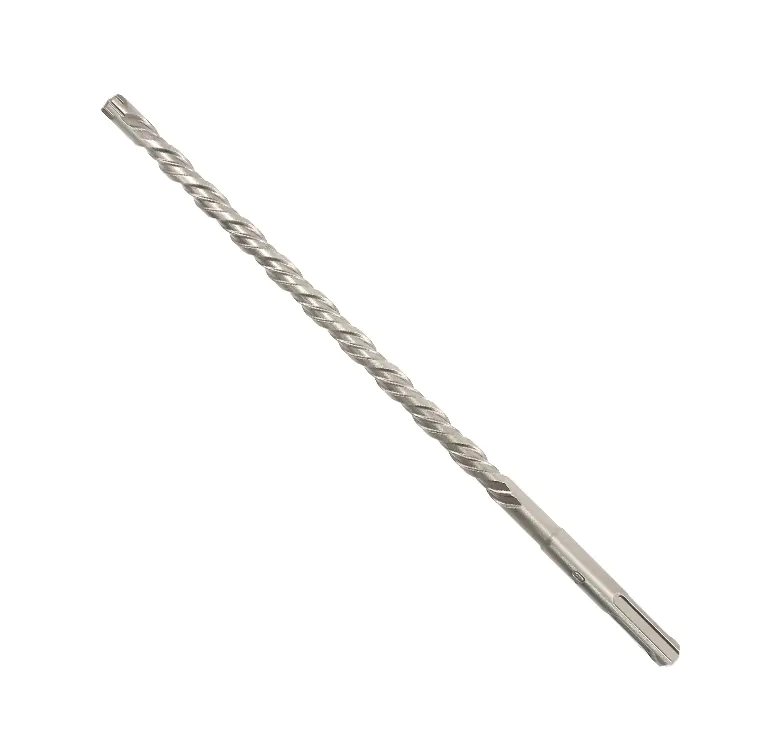
Introduction to SDS Drill Performance
An SDS Drill Factory produces drills designed for high-performance applications such as drilling into concrete, brick, and masonry. One of the common concerns among users is whether these drills overheat during high-speed operation. Overheating can affect not only the performance of the drill but also the lifespan of its motor and internal components. Understanding the factors that contribute to heat buildup and strategies for managing it is essential for both professionals and hobbyists who rely on SDS drills for demanding tasks.
Factors Contributing to Overheating
Several factors influence the likelihood of an SDS drill overheating during high-speed drilling. The first factor is the material being drilled. Harder materials like reinforced concrete require more torque and exert greater stress on the drill motor, generating heat more quickly. Drill bit quality and sharpness are also critical, as dull or worn bits increase resistance and force the motor to work harder. Additionally, continuous operation without pauses can cause the drill to accumulate heat, particularly if the cooling vents are blocked or the drill is used in a high-temperature environment.
Motor Design and Heat Dissipation
High-quality SDS drills are engineered with motors that handle high speeds and torque while minimizing heat buildup. Ventilation systems and cooling fins allow air to circulate the motor, helping dissipate heat during prolonged use. Some drills also incorporate thermal sensors or automatic shutdown features to prevent damage from excessive temperatures. Even so, proper use and maintenance are essential to ensure that these features function effectively. Choosing a drill from a reputable SDS Drill Factory ensures better heat management due to higher-quality components and design standards.
Operational Techniques to Reduce Heat
Users can take several steps to prevent their SDS drills from overheating during high-speed drilling. Applying moderate, steady pressure rather than forcing the drill reduces motor strain. Allowing the drill to pause periodically during extended drilling sessions helps dissipate heat. Selecting the appropriate drill bit for the material also decreases resistance and prevents excessive heat buildup. For deep holes or large-diameter drilling, backing the drill out periodically to remove debris can improve cutting efficiency and reduce friction-induced heating.
Drill Bit Material and Heat Resistance
The material and coating of the drill bit itself significantly affect heat generation. Carbide-tipped or high-speed steel (HSS) drill bits can withstand higher temperatures without losing sharpness, whereas cheaper or lower-quality bits wear more quickly and produce additional heat. Using the correct type of SDS drill bit designed for the specific material being drilled ensures smoother operation and reduces the risk of overheating.
Maintenance and Longevity Considerations
Regular maintenance is another key factor in managing heat. Cleaning dust and debris from vents, lubricating moving parts where applicable, and inspecting the drill for signs of wear all help maintain optimal heat management. Proper care not only prevents overheating but also extends the operational lifespan of the drill, ensuring consistent performance even during intensive tasks.
An SDS drill can overheat during high-speed drilling if factors such as material hardness, drill bit quality, and continuous operation are not properly managed. Choosing a drill from a reliable SDS Drill Factory, using the correct bits, applying steady pressure, and performing regular maintenance are all effective strategies to minimize heat buildup. By understanding these factors and adopting proper techniques, users can safely operate SDS drills at high speeds while preserving both performance and longevity.

 English
 Arabic
 French
 Spanish
 Portuguese
 Deutsch
 Turkish
 Dutch
Dutch
 Italiano
 Romaian
 Portuguese (Brazil)
 Greek
Greek