


Effective Home Remedies for Pyoderma Treatment
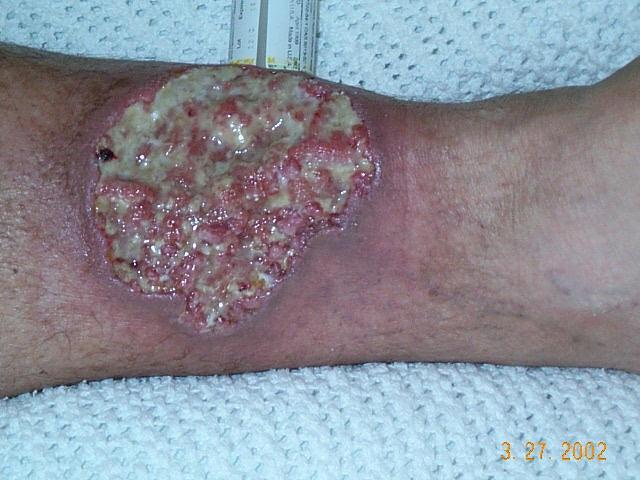
Pyoderma is a bacterial skin infection characterized by pus formation, inflammation, redness, and sometimes ulceration. It is most commonly caused by Staphylococcus aureus and Streptococcus pyogenes and can affect individuals of all ages. While pyoderma often requires medical intervention particularly systemic or topical antibiotics supportive home-based measures can play an important role in symptom relief, infection control, and prevention of recurrence. This article outlines effective home remedies for pyoderma treatment, while clearly emphasizing that these measures complement, rather than replace, professional medical care.
Understanding Pyoderma
Pyoderma encompasses a spectrum of skin infections, including impetigo, ecthyma, folliculitis, furuncles, and carbuncles. It typically develops when bacteria enter the skin through minor cuts, insect bites, or existing dermatological conditions such as eczema. Risk factors include poor hygiene, immunosuppression, diabetes, malnutrition, and crowded living conditions.
Moderate to severe cases often require prescription antibiotics. In clinical practice, injectable antibiotics may be used for systemic infections, and healthcare providers source these from a reliable ceftriaxone injection supplier or similar pharmaceutical distributors. Home remedies should be viewed strictly as adjunctive care.
Importance of Medical Treatment First
Before discussing home remedies, it is critical to note that untreated pyoderma can lead to complications such as cellulitis, abscess formation, lymphangitis, or systemic infection. Therefore:
-
Always seek medical diagnosis for suspected pyoderma.
-
Follow the full course of antibiotics as prescribed.
-
Do not discontinue medication in favor of home remedies alone.
Home-based approaches are most effective when used alongside medical therapy.
Supportive Home Remedies for Pyoderma
1. Proper Wound Hygiene
Maintaining cleanliness is the cornerstone of managing pyoderma at home.
-
Gently cleanse affected areas twice daily with lukewarm water and a mild, non-irritating soap.
-
Avoid harsh antiseptics unless specifically recommended by a healthcare provider.
-
Pat the skin dry with a clean towel; do not rub.
Proper hygiene reduces bacterial load and supports the effectiveness of prescribed antibiotics, including injectable therapies obtained through a certified ceftriaxone injection supplier.
2. Warm Compresses
Warm compresses can help improve local blood circulation and facilitate drainage of pus.
-
Soak a clean cloth in warm (not hot) water.
-
Apply to the affected area for 10–15 minutes, two to three times daily.
-
Always use a fresh, clean cloth to prevent cross-contamination.
This method can reduce discomfort and swelling but should not be used on open ulcers without medical advice.
3. Turmeric (Curcuma longa)
Turmeric contains curcumin, known for its anti-inflammatory and antibacterial properties.
-
Mix turmeric powder with clean water or coconut oil to form a paste.
-
Apply gently around (not deep into) superficial lesions.
-
Leave on for 15–20 minutes before rinsing.
While turmeric may help reduce surface inflammation, it does not eradicate pathogenic bacteria responsible for pyoderma.
4. Neem (Azadirachta indica)
Neem has traditionally been used for skin infections due to its antimicrobial properties.
-
Neem leaves can be boiled in water and cooled to create a cleansing solution.
-
Gently rinse affected areas once daily.
Neem should be used cautiously, especially on sensitive skin, and discontinued if irritation occurs.
5. Aloe Vera Gel
Aloe vera is widely recognized for its soothing and wound-healing properties.
-
Use fresh aloe vera gel or a medical-grade product without added fragrances.
-
Apply a thin layer to inflamed skin to relieve itching and dryness.
Aloe vera does not replace antibiotics but may improve patient comfort during treatment.
6. Coconut Oil
Virgin coconut oil contains lauric acid, which has mild antibacterial effects.
-
Apply a small amount to surrounding skin to maintain moisture and reduce cracking.
-
Avoid occlusive dressings unless directed by a clinician.
Moisturized skin heals more effectively and is less prone to secondary infections.
7. Adequate Nutrition and Hydration
Internal support is as important as topical care.
-
Increase intake of protein-rich foods to support tissue repair.
-
Include vitamins A, C, E, and zinc to enhance immune response.
-
Stay adequately hydrated to promote skin health.
Good nutrition supports recovery alongside pharmacological therapy sourced through established channels, such as a licensed ceftriaxone injection supplier.
8. Avoid Scratching and Skin Trauma
Scratching can worsen infection and spread bacteria to other areas.
-
Keep fingernails trimmed short.
-
Use cotton gloves at night if itching is severe.
-
Cover lesions lightly if recommended to prevent friction.
Preventive Measures at Home
Prevention is essential, especially for individuals with recurrent pyoderma.
-
Practice regular handwashing.
-
Do not share towels, clothing, or personal grooming items.
-
Launder bedding and clothing in hot water during active infection.
-
Manage underlying conditions such as diabetes or eczema effectively.
When to Seek Immediate Medical Attention
Home remedies are not appropriate in the following situations:
-
Rapidly spreading redness or swelling
-
Fever or systemic symptoms
-
Deep ulcers or blackened skin
-
No improvement within 48–72 hours of treatment
In such cases, escalation of care, including intravenous or intramuscular antibiotics supplied by a verified ceftriaxone injection supplier, may be required.
Conclusion
Effective management of pyoderma requires a balanced approach that prioritizes medical treatment while leveraging safe, supportive home remedies. Proper hygiene, warm compresses, soothing natural agents, and nutritional support can enhance comfort and healing when used responsibly. However, antibiotics remain the cornerstone of therapy, particularly in moderate to severe infections. Home remedies should never delay or replace professional medical care.
By combining evidence-based medical treatment with appropriate home care, patients can achieve better outcomes, reduced recurrence, and improved overall skin health.

 English
 Arabic
 Spanish
 Portuguese
 Deutsch
 Turkish
 Dutch
Dutch
 Italiano
 Russian
 Romaian
 Portuguese (Brazil)
 Greek
Greek