


The Future of Construction: How IoT and Tracking Software Revolutionize Equipment Management
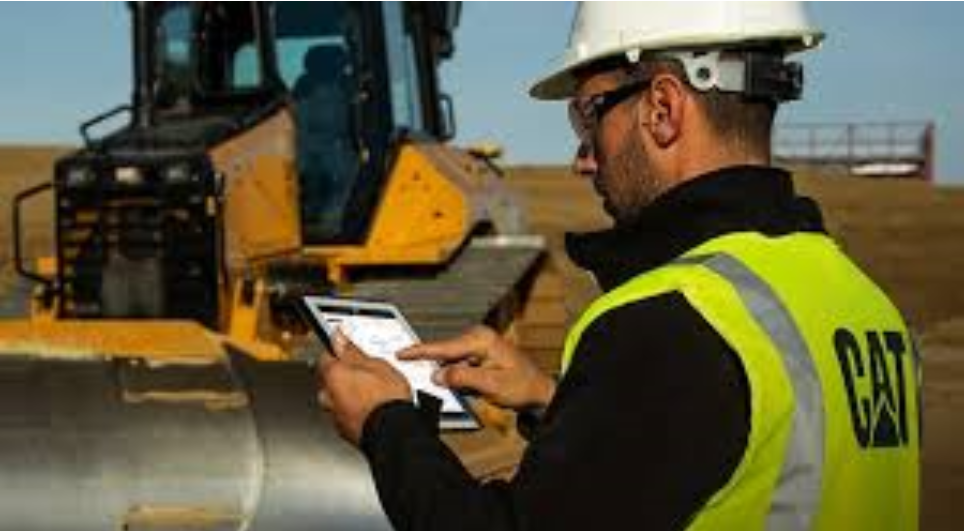
The construction industry is undergoing a digital transformation, and at the forefront of this revolution is the integration of the Internet of Things (IoT) and construction equipment tracking software. These technologies are changing how construction companies manage their fleets, improving efficiency, reducing downtime, and providing real-time insights that were once impossible to obtain.
With the growing need for smarter, more connected construction sites, IoT-enabled equipment and advanced tracking software are becoming crucial tools for project success. In this article, we’ll explore how these technologies are revolutionizing equipment management and shaping the future of the construction industry.
What is IoT and How Does It Apply to Construction Equipment?
IoT, or the Internet of Things, refers to the network of physical devices, vehicles, and machinery that are embedded with sensors, software, and other technologies to connect and exchange data. In the context of construction equipment, IoT allows machines to communicate with each other and with centralized systems in real time, providing critical data about performance, location, and condition.
For construction companies, IoT-enabled equipment tracking allows managers to access detailed performance metrics, track asset location, and monitor equipment health in real time, all through a connected software platform. This real-time data stream makes equipment management more efficient, transparent, and actionable.
How IoT and Tracking Software Enhance Equipment Management
1. Real-Time Location and Utilization Tracking
One of the most valuable benefits of construction equipment tracking software integrated with IoT is the ability to track equipment in real time. GPS-enabled sensors allow construction managers to see exactly where their equipment is located across multiple job sites.
This level of visibility ensures that machinery is being used effectively, minimizing idle time and maximizing productivity. If a piece of equipment is underused or misplaced, managers can easily locate it and reallocate it to the appropriate site. This not only optimizes resource allocation but also reduces rental costs by ensuring that owned equipment is utilized to its full potential.
2. Predictive Maintenance and Reduced Downtime
Unscheduled maintenance and unexpected equipment breakdowns are among the leading causes of delays on construction sites. Construction equipment tracking software, when combined with IoT sensors, enables predictive maintenance by continuously monitoring the condition of each machine.
By collecting data on key metrics such as engine temperature, fuel levels, pressure, and vibration, the software can predict when a machine is likely to need servicing. This allows construction companies to address maintenance needs before a breakdown occurs, reducing downtime and minimizing costly repairs. Predictive maintenance helps keep equipment running efficiently, ensuring projects stay on schedule and within budget.
3. Performance Analytics for Informed Decision-Making
IoT-enabled equipment and tracking software provide a wealth of data that construction managers can use to analyze equipment performance over time. Construction equipment tracking software gathers data on various aspects of machine usage, including operating hours, fuel consumption, and maintenance history.
With this data, managers can identify trends and inefficiencies, such as machines that are frequently underperforming or requiring excessive maintenance. These insights allow companies to make informed decisions about fleet management, such as which equipment to replace, lease, or retire, and which assets to deploy on specific projects.
4. Streamlined Compliance and Safety Monitoring
Construction sites must comply with a wide range of safety regulations, including those related to equipment inspection and maintenance. Construction equipment tracking software can automate safety checks by tracking inspection schedules, maintenance logs, and regulatory compliance data.
This makes it easier for managers to ensure that their equipment meets safety standards and is always ready for use. IoT sensors can also monitor equipment for unsafe operation, such as excessive speeds or sudden movements, which could pose safety risks. Alerts can be sent to managers or operators to correct issues before they result in accidents.
The Benefits of IoT and Tracking Software for the Construction Industry
-
Increased Productivity: Real-time tracking and utilization optimization ensure that equipment is always where it’s needed, keeping projects moving forward without delays.
-
Cost Savings: Predictive maintenance, reduced downtime, and optimized resource allocation result in lower operational costs and fewer repair expenses.
-
Better Decision-Making: Data-driven insights allow for smarter decisions on fleet management, maintenance, and equipment investment.
-
Improved Safety and Compliance: Continuous monitoring of equipment health and safety standards helps minimize risks and ensure compliance with industry regulations.
-
Sustainability: IoT-enabled machines operate more efficiently, reducing fuel consumption and emissions, contributing to more environmentally-friendly construction practices.
The Future of Construction Equipment Management
The future of construction equipment management is undoubtedly tied to advancements in technology. As IoT devices become more sophisticated, and AI and machine learning continue to develop, construction equipment tracking software will evolve to provide even more granular insights and predictive capabilities.
The integration of autonomous equipment, drone inspections, and real-time project management tools will further transform the industry, making construction sites safer, more efficient, and more productive. As construction companies continue to adopt these technologies, IoT-enabled tracking software will become a central tool for managing resources, optimizing performance, and driving success.
Conclusion
Construction equipment tracking software powered by IoT is revolutionizing the way construction companies manage their fleets. By providing real-time tracking, predictive maintenance, and data analytics, these software solutions improve equipment performance, reduce downtime, and help companies make smarter, data-driven decisions.
As the construction industry continues to embrace digital transformation, software like Clue is leading the charge in modernizing equipment management and ensuring that projects are completed on time, within budget, and with maximum efficiency. The future of construction is digital, and construction equipment tracking software is at the heart of this transformation.

 English
 Arabic
 French
 Spanish
 Portuguese
 Deutsch
 Turkish
 Dutch
Dutch
 Italiano
 Romaian
 Portuguese (Brazil)
 Greek
Greek