


Palletised Distribution | Streamlining Modern Logistics for Efficiency and Reliability
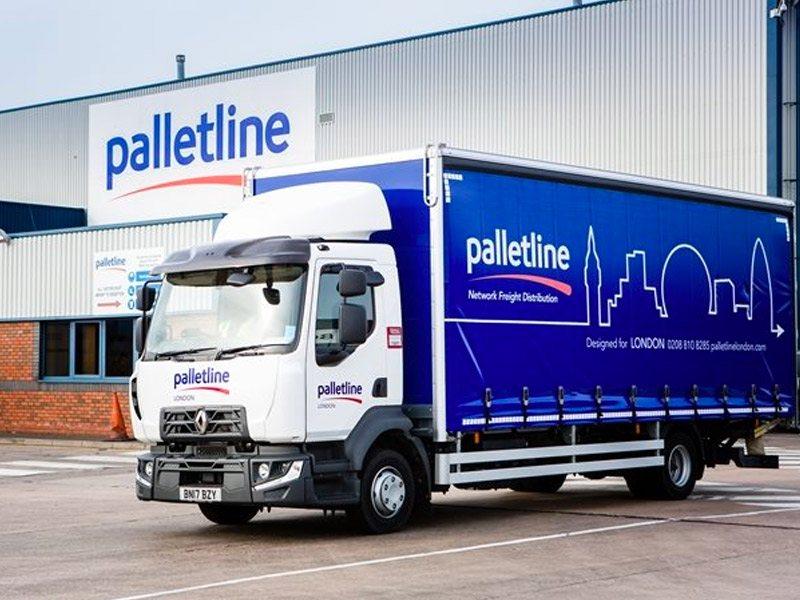
In today’s rapidly evolving global economy, logistics plays a central role in ensuring that goods reach their destinations safely, efficiently, and on time. Among the many logistics systems that have revolutionized the way products are transported and handled, palletised distribution stands out as one of the most effective. This method, which involves consolidating goods onto pallets for easy storage, handling, and transportation, has become a cornerstone of modern supply chains. It brings together efficiency, safety, and cost-effectiveness, benefiting industries ranging from retail to manufacturing and beyond.
Understanding the Concept of Palletised Distribution
Palletised distribution refers to the system of stacking and securing goods on pallets — usually wooden, plastic, or metal platforms — to facilitate easier transportation and storage. Instead of moving individual boxes or items, companies move entire pallets using forklifts or pallet jacks, significantly speeding up the process. This organized method of distribution is particularly valuable in sectors that deal with bulk goods or fast-moving consumer products.
The key idea behind palletisation is standardization. By using a uniform base for goods, companies can simplify processes across multiple stages — from loading and unloading to warehousing and distribution. Palletised systems also make it easier to utilize space efficiently, both in transport vehicles and warehouses, by allowing vertical stacking and structured organization.
The Evolution of Palletised Distribution in Global Trade
The concept of pallets emerged in the early 20th century, primarily to meet the growing needs of industrialization and mass production. Initially, goods were loaded manually, a process that was both time-consuming and labor-intensive. However, as businesses sought greater efficiency, the introduction of the forklift in the 1920s and the standardized wooden pallet in the 1930s completely transformed the logistics landscape.
By the mid-20th century, palletised distribution had become the global standard. The widespread adoption of containers in maritime shipping further enhanced this system, as pallets fit perfectly inside shipping containers, making international trade faster and more cost-efficient. Today, palletisation remains a fundamental element of supply chain management, especially as e-commerce, automation, and global logistics networks continue to expand.
Why Palletised Distribution is Essential for Modern Businesses
The primary advantage of palletised distribution lies in its ability to streamline logistics operations. Businesses that use pallets experience faster turnaround times and reduced labor costs since goods can be moved in bulk rather than individually. Additionally, pallets protect products from damage during handling, improving overall quality control.
Another significant benefit is the reduction in transport time. Since pallets can be easily loaded and unloaded using mechanical equipment, transportation schedules become more predictable, reducing delays. This system also minimizes physical strain on workers, promoting safer workplace conditions and compliance with occupational safety standards.
Palletised systems are also scalable, making them suitable for companies of all sizes. Small businesses benefit from cost savings and improved efficiency, while large corporations leverage the system for managing complex, high-volume supply chains that span multiple countries and continents.
How Palletised Distribution Enhances Supply Chain Efficiency
Efficiency is the cornerstone of successful logistics, and palletised distribution contributes to this in multiple ways. Firstly, it enables rapid handling of goods. A single pallet can hold hundreds of kilograms of products, meaning that forklifts can move large quantities quickly and safely.
Secondly, inventory management becomes simpler. Since pallets are easy to count, label, and track using barcodes or RFID technology, warehouses can maintain precise inventory records. This reduces errors in order fulfillment and improves customer satisfaction.
Thirdly, space optimization plays a major role. Pallet racking systems in warehouses are designed to utilize vertical space effectively, allowing more products to be stored without increasing the physical footprint. This spatial efficiency is particularly crucial in high-cost urban warehouse environments.
Finally, transport efficiency improves as well. Palletised goods are easier to load into trucks or containers in a structured and balanced manner, reducing the risk of damage and maximizing the use of available vehicle space.
The Role of Technology in Modern Palletised Systems
With the advancement of logistics technology, palletised distribution has evolved far beyond simple stacking and transport. Today’s systems integrate automated warehouses, robotic palletizers, and intelligent tracking systems that ensure precision and efficiency at every stage.
Automation has made a significant impact. Automated guided vehicles (AGVs) and robotic arms can now pick, stack, and move pallets without human intervention, operating continuously and with remarkable accuracy. This level of automation not only reduces operational costs but also minimizes human error.
Additionally, modern tracking technologies such as RFID tags and IoT sensors enable real-time visibility across the supply chain. Businesses can monitor the exact location and condition of palletised goods during transit, ensuring transparency and reducing the risk of loss or damage.
The integration of data analytics also helps in optimizing routes, predicting maintenance needs, and managing inventory more effectively. In essence, technology has made palletised distribution smarter, faster, and more reliable than ever before.
Sustainability and Environmental Impact
In recent years, sustainability has become a critical consideration in logistics. Palletised distribution contributes positively to environmental goals by reducing waste, energy use, and emissions.
Recyclable materials, such as plastic or metal pallets, are increasingly replacing traditional wooden ones. These modern pallets are durable, reusable, and require less maintenance. Furthermore, pallet pooling — where companies share and reuse pallets through centralized systems — helps reduce the overall production of new pallets, conserving natural resources.
Efficient pallet loading also reduces the number of trips required for transportation, leading to lower fuel consumption and a smaller carbon footprint. As industries move toward greener logistics solutions, palletised systems continue to align with these sustainability objectives.
Common Challenges in Palletised Distribution
Despite its many advantages, palletised distribution also presents certain challenges. One major issue is standardization across borders. Different regions may use varying pallet sizes or materials, making international shipping more complex.
Another challenge involves pallet quality and maintenance. Damaged pallets can compromise product safety and disrupt operations. Regular inspection and repair are essential to ensure smooth handling and transport.
Storage and retrieval systems also need to be well-planned. Poorly organized warehouses can negate the efficiency benefits of palletisation, leading to wasted time and potential safety hazards.
Additionally, as automation and smart systems become more prevalent, companies face the challenge of training staff and upgrading infrastructure to integrate new technologies effectively.
The Future of Palletised Distribution
The future of palletised distribution lies in innovation, automation, and global connectivity. As the logistics sector embraces Industry 4.0 technologies, palletised systems will become increasingly digitalized and intelligent.
Smart pallets embedded with IoT sensors will provide detailed data about temperature, humidity, and location in real time. This will be particularly useful for industries such as pharmaceuticals and food, where maintaining optimal storage conditions is crucial.
Moreover, sustainable materials and circular economy models will continue to gain importance. The use of biodegradable pallets and environmentally friendly logistics processes will further reduce waste and environmental impact.
In addition, artificial intelligence will optimize every stage of palletised logistics — from packing algorithms that maximize space utilization to predictive analytics that forecast demand and reduce downtime.
As global trade expands, the role of palletised systems in ensuring reliable and efficient goods movement will only grow stronger.
Conclusion
Palletised distribution is far more than a simple method of moving goods; it represents the foundation of modern logistics efficiency. By combining organization, safety, and speed, it enables companies to manage complex supply chains with precision and reliability. From reducing manual labor and optimizing space to promoting sustainability and technological advancement, palletisation continues to redefine how products are stored, shipped, and delivered worldwide.
In an era where time, cost, and sustainability are critical success factors, the evolution of palletised distribution remains a vital element of global commerce. As technology continues to advance and industries grow more interconnected, this system will remain at the forefront of innovation — ensuring that the world’s goods move smoothly, safely, and sustainably from origin to destination.

 English
 Arabic
 French
 Spanish
 Portuguese
 Turkish
 Dutch
Dutch
 Italiano
 Russian
 Romaian
 Portuguese (Brazil)
 Greek
Greek