


How Laser Therapy Accelerates Soft Tissue Healing
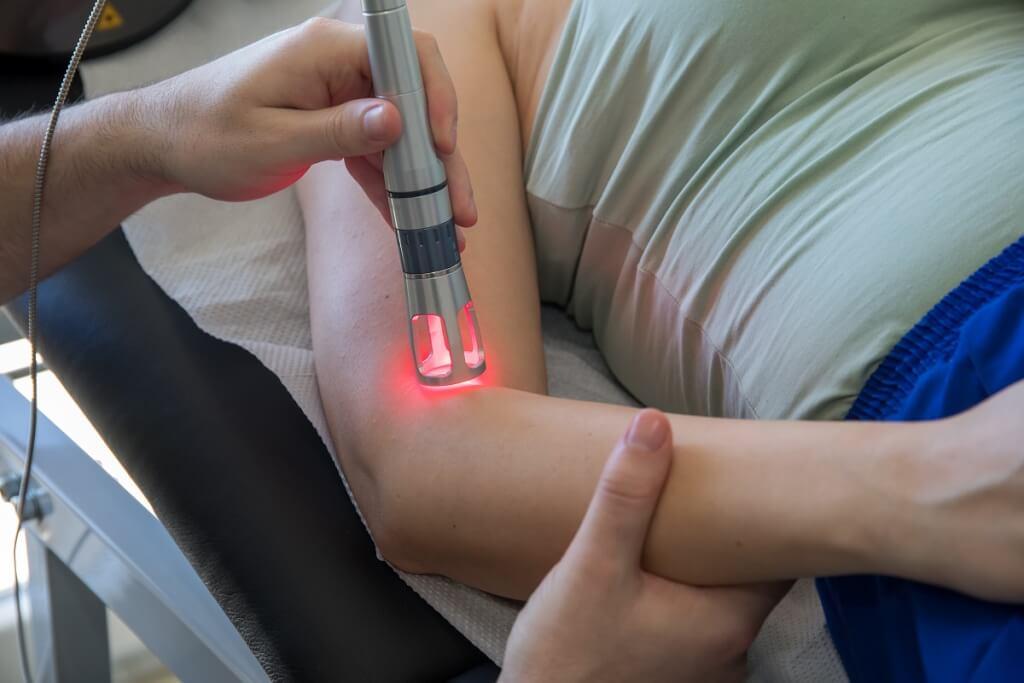
Soft tissue injuries are common in sports, accidents, and daily activities. These injuries often cause pain, inflammation, and limited mobility, making daily tasks difficult. Over the years, medical science has explored various treatments to speed recovery. One of the most effective solutions is laser therapy. Laser therapy has gained popularity for its ability to promote healing at a cellular level. Unlike traditional methods, it targets damaged tissues directly, stimulating the body’s natural repair mechanisms.
Cold Laser therapy works by using focused light energy to penetrate the skin and reach injured tissues. The energy stimulates cellular activity, increasing blood circulation and oxygen supply. This process helps repair damaged cells more efficiently. Improved circulation also reduces swelling and inflammation, which are common after soft tissue injuries. Patients often notice a reduction in pain and stiffness shortly after treatment. Over time, this accelerates the healing process significantly compared to conventional approaches.
The science behind laser therapy is rooted in photobiomodulation. This process occurs when light energy interacts with cells to produce chemical changes. Mitochondria, the energy centers of cells, absorb the light and increase production of adenosine triphosphate (ATP). ATP is essential for cellular repair and regeneration. With higher energy levels, cells can function optimally, repairing damaged soft tissue faster. This cellular boost also supports collagen synthesis, a critical component of connective tissue repair.
Laser therapy is effective for various soft tissue injuries. Conditions such as tendonitis, ligament sprains, muscle strains, and joint inflammation respond well to this treatment. Athletes, in particular, benefit from laser therapy because it reduces downtime and enhances recovery. Chronic conditions like arthritis also improve with consistent therapy. Unlike invasive treatments, laser therapy is non-surgical, making it safer with minimal risk of side effects. Patients report better mobility and reduced pain after just a few sessions.
One of the key advantages of laser therapy is its ability to manage pain naturally. The treatment reduces nerve sensitivity and releases endorphins, which act as natural painkillers. This helps patients avoid heavy reliance on pain medications, which can have long-term side effects. Additionally, laser therapy addresses the root cause of inflammation rather than just masking symptoms. By improving cellular function and blood flow, it promotes long-term healing and tissue restoration.
Cold laser treatment, a specialized form of laser therapy, has proven especially beneficial for soft tissue repair. This approach uses low-level laser energy to target deep tissues without generating heat. As a result, it is painless and safe for repeated sessions. Studies have shown that cold laser treatment accelerates healing time, reduces inflammation, and improves tissue strength. It has become a preferred option for both acute injuries and chronic conditions.
Laser therapy also plays a role in reducing scar formation. By promoting proper collagen alignment and controlled tissue repair, it minimizes the risk of fibrotic scarring. Patients recovering from surgery or traumatic injuries often experience improved skin texture and flexibility. Additionally, the therapy can enhance nerve regeneration, which is particularly useful in injuries involving peripheral nerves. This makes laser therapy a comprehensive solution for soft tissue recovery.
Consistency is crucial for achieving optimal results with laser therapy. Treatments are usually administered multiple times a week, depending on injury severity. Each session lasts between a few minutes to half an hour. While individual responses vary, most patients notice gradual improvements within weeks. Combining laser therapy with physical rehabilitation exercises can further enhance recovery. A multidisciplinary approach ensures that the tissues regain strength, flexibility, and full functionality.
Technological advancements have improved laser devices, making them more effective and accessible. Modern lasers offer adjustable wavelengths and intensities, allowing practitioners to customize treatments. This precision ensures that energy penetrates the exact depth of injury. It also reduces the risk of tissue overheating or unintended damage. Patients can now receive targeted treatment with consistent outcomes, improving overall satisfaction and recovery rates.
Research supports the effectiveness of laser therapy in soft tissue healing. Numerous clinical trials highlight faster recovery, reduced inflammation, and improved functional outcomes. Scientific evidence also emphasizes the therapy’s safety and non-invasive nature. As awareness grows, more healthcare professionals integrate laser therapy into standard treatment protocols. This integration offers patients a holistic approach to recovery without resorting to surgical interventions prematurely.
In addition to physical benefits, laser therapy can enhance patient mental well-being. Chronic pain and prolonged recovery often cause stress and anxiety. By reducing discomfort and promoting visible improvements, laser therapy positively impacts emotional health. Patients gain confidence in performing daily activities and returning to work or sports. The combination of physical and psychological benefits makes laser therapy a preferred choice for soft tissue injuries.
In conclusion, laser therapy represents a significant advancement in soft tissue injury management. By stimulating cellular repair, increasing blood flow, and reducing inflammation, it accelerates healing naturally. Its non-invasive, painless approach makes it suitable for a wide range of patients. Whether addressing acute injuries or chronic conditions, laser therapy supports recovery effectively. With proper treatment protocols, patients can regain mobility, strength, and overall well-being in less time. The growing body of evidence and technological improvements continue to position laser therapy as a cornerstone in modern rehabilitation.
?

 English
 Arabic
 French
 Spanish
 Deutsch
 Turkish
 Dutch
Dutch
 Italiano
 Russian
 Romaian
 Portuguese (Brazil)
 Greek
Greek