


Environmental Restoration After Construction and Mining
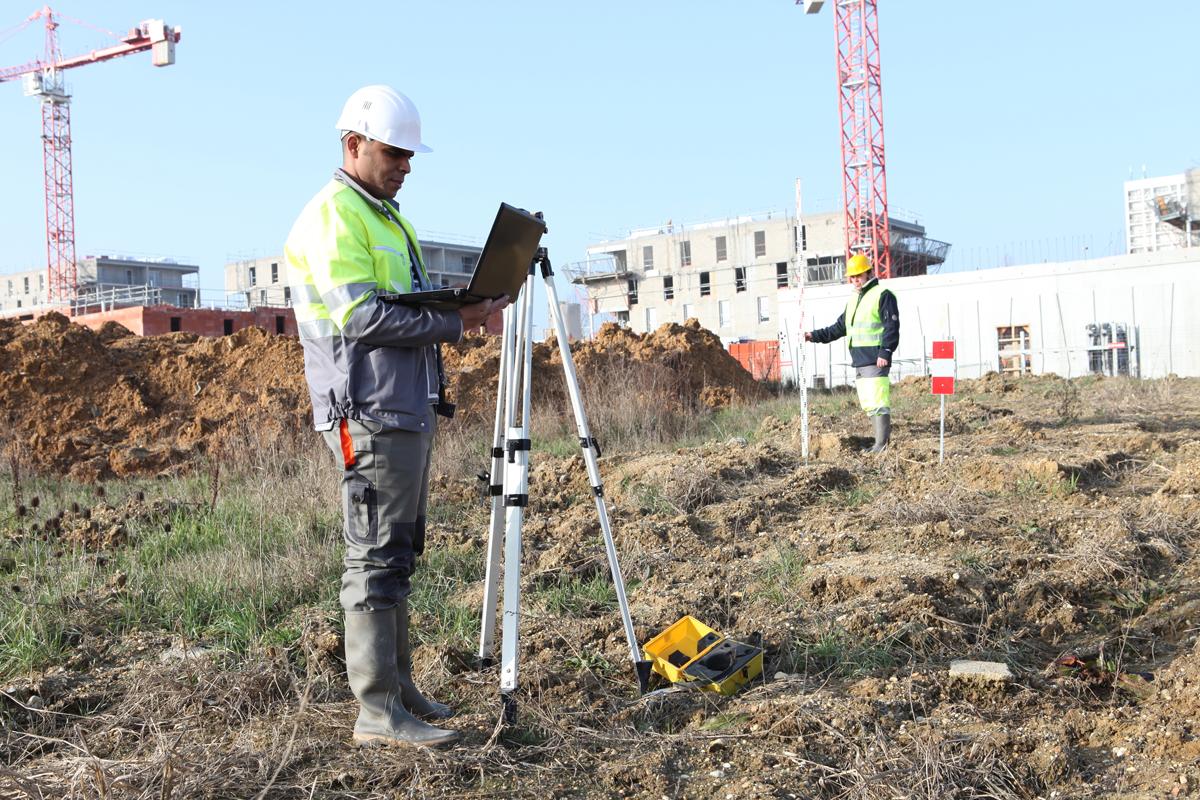
The earth bears deep scars from human industrial activities every single day. Construction sites and mining operations fundamentally alter natural landscapes across our planet. These activities strip away vegetation, disrupt soil structures, and contaminate water sources. The environmental impact extends far beyond the immediate project boundaries and timelines.
Companies now face growing pressure to restore damaged ecosystems to healthy states. Environmental restoration has become a critical responsibility for the construction and mining sectors. This process involves careful planning, significant resources, and long-term commitment to success.
Understanding the Scale of Environmental Damage
Large-scale construction projects remove topsoil and destroy existing plant communities completely. Heavy machinery compacts the ground, reducing its ability to absorb rainwater effectively. The natural drainage patterns shift, often causing erosion in surrounding areas permanently.
Mining operations create even more severe environmental challenges for restoration teams worldwide. Open-pit mines leave massive craters that alter local geography for generations. Underground mining can cause ground subsidence, damaging surface structures and natural features. Toxic chemicals used in mineral extraction often contaminate soil and groundwater supplies.
The removal of vegetation eliminates habitats for countless species of wildlife populations. Birds, mammals, insects, and reptiles lose their homes to industrial expansion. Streams and wetlands disappear under roads, buildings, and excavated mining sites. The biodiversity loss weakens entire ecosystems and reduces their natural resilience.
The Critical Importance of Ecosystem Recovery
Restored environments provide essential services that benefit both nature and human communities. Healthy ecosystems filter water, clean air, and regulate local climate patterns. They prevent flooding by absorbing excess rainfall during severe weather events.
Native vegetation prevents soil erosion on slopes and along waterways quite effectively. Plant roots stabilize the ground and reduce sediment runoff into rivers. This protection maintains water quality for downstream communities and aquatic life.
Wildlife populations recover when their natural habitats receive proper restoration and care. Biodiversity returns gradually as native plants reestablish themselves across restored landscapes. These species create balanced ecosystems that require minimal human intervention over time.
Local communities benefit economically from successful environmental restoration projects throughout their regions. Restored lands can support agriculture, recreation, and tourism activities that generate income. Property values often increase in areas where environmental quality improves significantly.
Essential Steps in the Restoration Process
Site assessment begins with thorough analysis of existing conditions and damage extent. Environmental scientists collect soil samples and test for contamination levels carefully. They document existing vegetation, water sources, and wildlife presence before planning begins.
Soil remediation addresses contamination from chemicals, heavy metals, and other pollutants. Specialists may remove severely contaminated soil and replace it with clean material. Bioremediation uses microorganisms to break down certain pollutants naturally over time.
Topsoil replacement recreates the foundation necessary for successful plant growth patterns. Construction and mining sites often require importing high-quality topsoil from external sources. The new topsoil must match the chemical properties of the surrounding areas.
Grading and contouring reshape the land to resemble its original natural form. Engineers design drainage patterns that prevent erosion and manage water flow properly. The goal involves creating stable slopes that will endure weather conditions.
Native plant selection ensures vegetation matches the local ecosystem's historical composition accurately. Botanists choose species adapted to regional climate, soil conditions, and rainfall patterns. Native plants require less maintenance and support local wildlife populations better.
Revegetation begins with preparing the soil and planting seeds or seedlings. Land reclamation specialists often use hydroseeding for large areas requiring quick coverage. This technique sprays a mixture of seeds, mulch, and fertilizer efficiently.
Monitoring and Long-Term Management Requirements
Initial planting represents just the beginning of successful environmental restoration efforts. Sites require regular monitoring to track plant survival rates and growth. Environmental teams check for erosion, invasive species, and signs of wildlife return.
Adaptive management allows restoration teams to adjust strategies based on observed results. If certain plant species struggle, teams may introduce different varieties better suited. Water management systems might need modification if drainage patterns prove inadequate.
Invasive species control protects native vegetation from aggressive non-native plants competing aggressively. Teams must remove invasive plants before they dominate and exclude native species. This work continues for many years until native ecosystems establish strong dominance.
Wildlife monitoring documents which species return to restored areas over extended periods. Camera traps, surveys, and tracking studies provide valuable data about recovery. The presence of sensitive species indicates successful habitat restoration and quality.
Technological Advances Supporting Restoration Success
Modern restoration projects benefit from drone technology for site mapping and monitoring. Aerial imagery tracks vegetation growth and identifies problem areas requiring immediate attention. Drones cover large mining sites much faster than ground-based survey teams.
Geographic information systems help planners design optimal restoration strategies for complex sites. These digital tools integrate topography, soil data, and vegetation information into models. Scientists can predict outcomes and identify potential challenges before work begins.
Soil testing equipment has become more sophisticated and provides faster, accurate results. Portable devices allow field teams to test contamination levels on-site immediately. This capability speeds decision-making and reduces delays in restoration timelines significantly.
Native seed banks preserve genetic diversity of regional plant species indefinitely. These facilities collect, store, and distribute seeds for restoration projects nationwide. Access to genetically appropriate seeds improves restoration outcomes and long-term viability.
Regulatory Framework and Industry Standards
Environmental regulations require companies to develop comprehensive restoration plans before project approval. Government agencies review these plans to ensure they meet established standards. Permits often include specific performance benchmarks that companies must achieve over time.
Financial assurance mechanisms guarantee restoration funding remains available even if companies fail. Mining companies typically post bonds that cover estimated restoration costs completely. These bonds protect taxpayers from inheriting cleanup responsibilities when businesses abandon sites.
Third-party certification programs verify restoration work meets rigorous environmental quality standards. Independent auditors inspect completed projects and assess their ecological health objectively. Certification demonstrates corporate commitment to environmental responsibility and stakeholder accountability.
Building a Sustainable Future Through Restoration
Environmental restoration transforms damaged landscapes into thriving ecosystems supporting diverse life. The practice represents our collective responsibility to repair harm from development. Every successfully restored site demonstrates that healing our planet remains possible.
Companies investing in quality restoration protect their reputations and secure social licenses. Communities appreciate businesses that prioritize environmental stewardship alongside profit generation consistently. This commitment builds trust and strengthens relationships with local stakeholders permanently.
The future demands even better restoration practices as environmental pressures intensify globally. Innovation will continue improving our ability to heal damaged lands effectively. Through dedication and proper technique, we can ensure sustainable coexistence.

 English
 Arabic
 French
 Portuguese
 Deutsch
 Turkish
 Dutch
Dutch
 Italiano
 Russian
 Romaian
 Portuguese (Brazil)
 Greek
Greek