


Transforming Long-Term Storage into Smart Digital Access
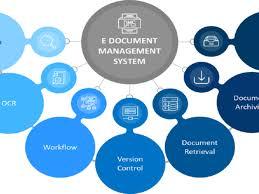
In a world where information is constantly being created, finding effective ways to store and access data is more critical than ever. Digital Archiving technology is revolutionizing the way businesses handle long-term storage, providing smarter, more efficient solutions for managing vast amounts of information. Instead of relying on traditional storage methods, organizations are now digitizing their archives to ensure that data is not only safely stored but also easily accessible when needed. In this article, we’ll explore how Digital Archiving is transforming long-term storage and providing businesses with smarter, faster access to critical information.
What is Digital Archiving and Why Does It Matter?
Digital Archiving involves the process of converting physical records and documents into digital formats and storing them securely in a digital environment. This technology ensures that information is not only preserved but also made easily accessible and searchable. Traditional methods of storing data, like paper files or physical storage devices, are often prone to deterioration, theft, or misplacement. By moving these records to a digital archive, businesses can mitigate these risks and ensure long-term preservation.
A well-managed Digital Archiving system allows for easy retrieval of documents at any time, from anywhere, and ensures compliance with regulations, such as data retention laws. Moreover, digital archiving allows businesses to organize their records more efficiently, cutting down on time spent searching for information and ensuring that vital documents are never lost.
Key Benefits of Digital Archiving for Businesses
1. Faster Access to Information
One of the most compelling reasons businesses are turning to Digital Archiving is the speed at which information can be retrieved. Searching through stacks of physical paperwork or stored files can be time-consuming and inefficient. In contrast, digital archives allow for fast, keyword-based searches that enable employees to find the exact document they need in seconds.
For example, consider a law firm that needs to quickly locate a client’s contract from 10 years ago. In a traditional filing system, this would involve manually flipping through physical folders. With a digital archive, the contract can be located instantly with a quick search, improving both productivity and response times. According to research from IDC, businesses that implement digital archiving solutions experience a 40% increase in productivity by reducing time spent searching for information.
2. Cost Savings on Storage and Maintenance
Physical storage takes up valuable space and requires ongoing maintenance, such as filing, sorting, and protecting records from environmental hazards. With Digital Archiving, businesses can reduce or completely eliminate the need for physical storage, saving on both office space and the costs associated with maintaining paper records.
A study by Gartner suggests that companies can save up to 50% on storage costs by transitioning to a digital archiving solution. The cost of managing physical files includes expenses related to storage space, materials, and labor, all of which can be drastically reduced with a digital system. Additionally, digital storage systems eliminate the need for printing, further driving down costs.
3. Enhanced Security and Compliance
Security is one of the biggest concerns when it comes to long-term data storage. Paper documents are susceptible to theft, loss, or damage from environmental factors such as fire or flooding. Digital archives, on the other hand, can be protected with encryption, multi-factor authentication, and regular backups, ensuring that sensitive information remains secure.
Moreover, Digital Archiving helps businesses comply with industry regulations regarding data retention. Many sectors, including healthcare and finance, have strict requirements for how long certain documents must be stored. With digital archives, businesses can automate retention schedules, ensuring compliance while minimizing the risk of human error.
For instance, healthcare providers are required by law to keep patient records for a specific number of years. Digital archiving not only helps organizations meet these requirements but also ensures that records are stored securely and can be accessed quickly when needed, reducing the administrative burden.
How Digital Archiving is Revolutionizing Industries
1. Legal Sector: Streamlining Case Management
The legal industry is one of the most significant adopters of Digital Archiving. Law firms deal with an overwhelming volume of legal documents, from contracts and court filings to client communications. By digitizing these documents, firms can streamline case management, improve efficiency, and reduce the time spent searching for critical information.
For example, a law firm that adopts digital archiving can quickly retrieve past case files, client agreements, and legal precedents, saving valuable time during litigation or contract negotiations. This shift not only enhances operational efficiency but also improves client service, as firms can respond more quickly and accurately to client needs.
2. Healthcare: Improving Patient Record Management
In the healthcare industry, patient records must be retained for years, making long-term storage a crucial aspect of business operations. Digital Archiving allows healthcare providers to move away from paper-based filing systems, reducing the risk of misplacing or losing important patient data.
A healthcare provider that uses digital archiving to store patient records ensures that data is secure, easily accessible, and complies with healthcare regulations like HIPAA. This not only improves patient care by ensuring accurate and timely access to information but also helps streamline administrative tasks and reduce the overhead costs associated with managing paper records.
3. Education: Streamlining Record-Keeping and Alumni Management
Educational institutions handle vast amounts of records, including student grades, transcripts, and alumni communications. By implementing Digital Archiving, these institutions can improve their record-keeping systems, making it easier to store and access student data.
For example, a university that adopts a digital archive for student transcripts can provide faster responses to alumni requests for academic records. The digital system also helps reduce the risk of lost or misplaced documents and ensures compliance with education regulations regarding data retention.
Looking Ahead: The Future of Digital Archiving
The future of Digital Archiving is closely tied to advances in cloud storage, artificial intelligence, and automation. As businesses continue to generate increasing amounts of data, digital archiving solutions will become even more essential for managing and accessing this information efficiently. The ability to integrate digital archives with other business systems, such as customer relationship management (CRM) or enterprise resource planning (ERP), will further enhance their value.
Moreover, innovations in AI and machine learning are making it possible to not only archive but also analyze large volumes of data, helping businesses unlock valuable insights. For example, AI-powered digital archiving systems can automatically tag and categorize documents based on content, making it even easier for businesses to manage their archives.
Conclusion:
The benefits of Digital Archiving are clear. From cost savings and improved efficiency to enhanced security and compliance, transitioning to digital archives offers businesses a smarter, more reliable way to manage long-term storage. In an era where access to information is more important than ever, implementing a digital archiving solution is not just a choice; it’s a necessity for businesses that want to stay competitive.
Embrace Digital Archiving today to ensure that your business remains agile, secure, and ready to tackle the challenges of tomorrow.

 Arabic
 French
 Spanish
 Portuguese
 Deutsch
 Turkish
 Dutch
Dutch
 Italiano
 Russian
 Romaian
 Portuguese (Brazil)
 Greek
Greek