


Innovation Trends in Automotive Plastic Mold Manufacturing
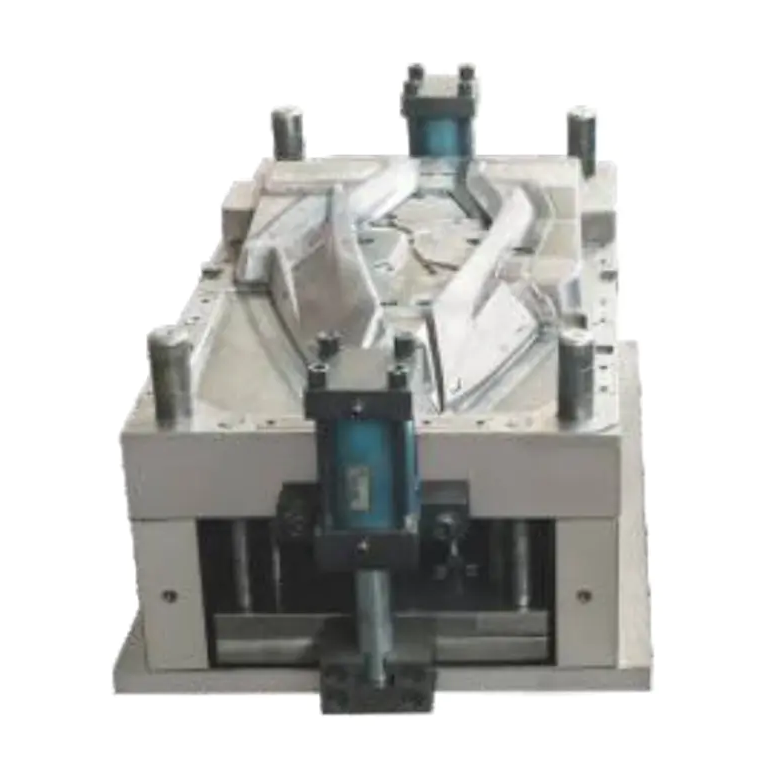
Introduction to Plastic Automobile Parts Mold
The Plastic Automobile Parts Mold is a core element in the production of modern vehicles, enabling manufacturers to create lightweight, durable, and highly consistent components. As the automotive industry continues to pursue fuel efficiency, safety, and cost optimization, plastic parts have become increasingly important. From interior trims to functional under-the-hood components, the quality of the mold directly determines the performance and appearance of the final product. Understanding the role of molds helps explain why they are central to automotive manufacturing competitiveness.
Role in Lightweight Vehicle Design
Lightweight design is a major trend in the automotive sector, driven by stricter emission regulations and the rise of electric vehicles. Plastic molds allow manufacturers to replace traditional metal components with engineered plastics that offer comparable strength at a lower weight. A well-designed Plastic Automobile Parts Mold ensures precise wall thickness and structural reinforcement, making it possible to reduce material usage without compromising durability. This contributes to improved fuel efficiency and extended driving range in electric cars.
Mold Design and Engineering Complexity
Automotive plastic parts often feature complex geometries, tight tolerances, and high surface quality requirements. Mold design must account for material flow, cooling efficiency, and shrinkage control to avoid defects such as warping or sink marks. Advanced simulation software is commonly used to optimize gate location and cooling channels before production begins. Through precise engineering, molds can consistently produce parts that meet strict automotive standards and fit seamlessly into vehicle assemblies.
Manufacturing Accuracy and Production Stability
High production volumes are typical in the automotive industry, which places significant demands on mold durability and stability. Precision machining and proper heat treatment help molds maintain accuracy over long production cycles. Stable mold performance reduces downtime and ensures uniform part quality across thousands or even millions of units. This reliability is essential for automotive manufacturers who rely on just-in-time production systems and strict quality control processes.
Applications Across Automotive Systems
Plastic molds are used to produce a wide range of automobile components, including dashboards, door panels, air intake systems, lamp housings, and connectors. Each application has unique performance requirements, such as heat resistance, impact strength, or aesthetic finish. The flexibility of mold design allows manufacturers to tailor solutions for different vehicle platforms and models, supporting both mass production and customized designs.
Quality Control and Compliance Standards
Automotive parts must comply with rigorous international standards related to safety, durability, and environmental impact. Mold quality plays a key role in meeting these requirements, as consistent dimensions and surface finishes are critical for part performance. Regular inspection, maintenance, and process monitoring help ensure long-term mold reliability. Investing in high-quality mold manufacturing reduces defect rates and supports compliance with global automotive regulations.
Plastic automobile parts molds are essential to the efficiency and innovation of modern vehicle manufacturing. By enabling lightweight design, complex part geometry, and stable mass production, these molds support the evolving needs of the automotive industry. As technology advances and vehicle designs continue to change, high-precision mold solutions will remain a key factor in achieving performance, quality, and sustainability goals.

 Arabic
 French
 Spanish
 Portuguese
 Deutsch
 Turkish
 Dutch
Dutch
 Italiano
 Russian
 Romaian
 Portuguese (Brazil)
 Greek
Greek