


The Rise of Cheek Fillers in Modern Aesthetics
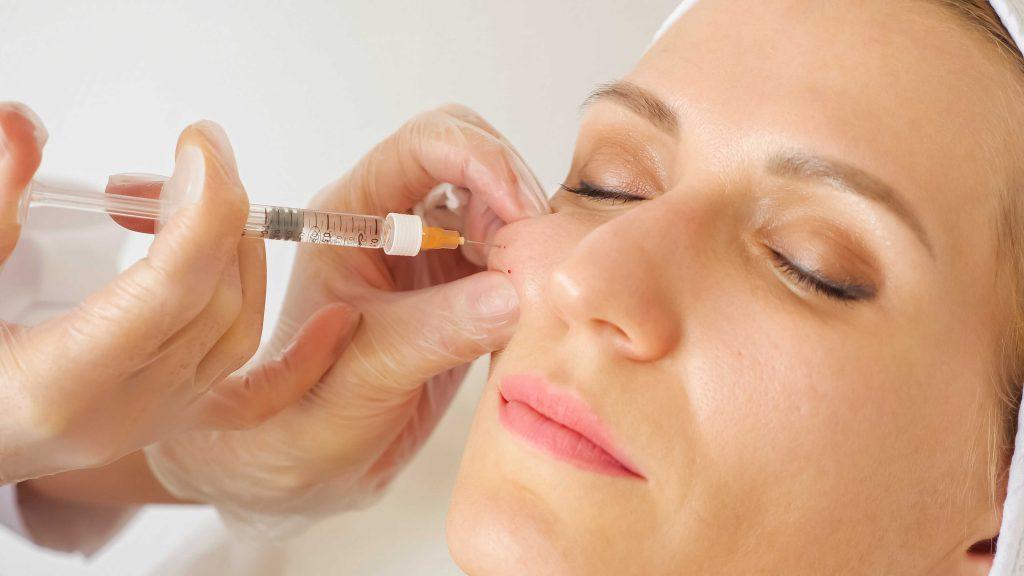
Cheek fillers have moved from a niche cosmetic treatment to a mainstream aesthetic option. Once associated with celebrities and high-gloss magazine shoots, injectable cheek augmentation is now common among people seeking subtle facial refinement.
Age-reversing volume restoration, or a defined profile for photos and everyday life. This article traces why cheek fillers have become so popular, what techniques and products are involved, the cultural and social forces behind the trend, safety considerations, and what the future may hold.
From structural aging to instant volume
Facial aging is as much about volume loss as it is about lines. As we age, the fat pads and supportive structures in the midface thin and descend, which flattens the cheeks, deepens nasolabial folds, and lengthens lower-face contours.
Cheek fillers, typically hyaluronic acid (HA) gels, offer a minimally invasive way to restore that lost projection and contour. Instead of just treating wrinkles, injectors can recreate the youthful “apple” of the cheek or sculpt a higher, more defined cheekbone.
The appeal is immediate: results appear during the appointment, downtime is short, and effects are reversible in many cases (HA fillers can be dissolved with hyaluronidase if needed). Those features fit modern consumer desires for quick, low-commitment solutions that still produce noticeable changes.
Who’s getting them — demographics and motivations
The demographic for fillers is broadening. Initially most common among women in their 30s–50s, the treatment now spans younger adults seeking facial definition to older patients trying to regain lost fullness. Motivations also vary:
Cosmetic enhancement: People who want sharper cheekbones or a chiseled side profile.
Age-reversal: Patients hoping to restore lost midface volume and reduce the appearance of sagging.
Photo and social media influence: Desire for features that “read well” in selfies and videoconferencing.
Non-surgical alternative: Those avoiding surgical options such as implants or facelifts.
The normalization of aesthetic procedures—through celebrities, influencers, and even friends sharing their experiences—has reduced stigma and increased acceptance. Many view fillers as a routine self-care choice rather than a dramatic transformation.
Techniques, materials, and artistry
Cheek augmentation isn’t one-size-fits-all. Providers select product type, placement, and volume according to facial anatomy and aesthetic goals. Hyaluronic acid fillers are most common because they integrate well with tissue, are adjustable, and—importantly—reversible. Other options, such as calcium hydroxylapatite, exist but are used more selectively.
Injection techniques vary from superficial placement targeting the subcutaneous plane to deeper bolus injections onto the zygomatic bone. Skilled injectors combine knowledge of facial anatomy with an artistic eye to create balance—enhancing cheekbones without over-projecting or throwing off other facial proportions.
A careful assessment will consider skin quality, existing bone structure, symmetry, and how augmentation will interact with the nose, lips, and jawline. Many practitioners use a conservative, staged approach—adding small amounts and asking patients to return for refinement—rather than large-volume immediate changes.
The role of social media and “look” trends
Social media has amplified the desire for certain facial proportions. High-contrast, contour-heavy photography and popular filters emphasize cheek definition, which people increasingly seek in real life. Influencers openly discussing their procedures and before/after images create both aspiration and practical demand.
Platforms also propagate specific “looks” (e.g., defined cheekbones, lifted midface), accelerating trends. While social channels can educate consumers about options and realistic outcomes, they can also distort expectations: images may be edited, lighting can flatter, and individual results vary.
Safety, risks, and responsible practice
Cheek filler injections are generally safe when performed by trained professionals, but they are not risk-free. Common temporary side effects include swelling, bruising, and tenderness. Less common complications can include infection, vascular occlusion (if injected into a blood vessel), prolonged nodules, or asymmetry.
Key safety practices include:
Choosing a qualified, experienced injector—preferably a board-certified dermatologist, plastic surgeon, or trained medical professional.
A thorough consultation that reviews medical history, allergy risks, and realistic expectations.
Small, gradual treatment plans with follow-up visits for refinement.
Clear discussion of product type and reversibility (HA fillers can be dissolved; some fillers cannot).
Avoid providers who offer bargain prices for high-volume sessions in non-clinical settings.
Regulation varies by country and region; consumers should verify credentials and clinic hygiene standards before proceeding.
Cultural implications and body image
The growth of chin fillers raises broader questions about beauty norms and accessibility. On one hand, non-surgical options democratize aesthetics—people can tweak features without costly surgery. On the other hand, trends driven by social media may encourage conformity to narrow standards of attractiveness, and the incremental nature of injectables can make it easier to chase repeated small changes.
There’s also a growing conversation about transparency and informed choice. Consumers increasingly want honest before/after photos, clear pricing, and full disclosure of potential risks. Clinics that combine ethical marketing with patient education tend to foster healthier decision-making.
Market trends and the future
The aesthetic market is likely to continue favoring minimally invasive procedures. Advances in filler technology (longer-lasting formulations, improved rheology) and techniques (microcannula use, guided injection methods) will refine outcomes and safety. We may also see integrated approaches—combining fillers with energy-based skin treatments, threads, or biologic boosters—to achieve more natural, longer-lasting rejuvenation.
Patient education and regulation will likely ramp up in response to increasing demand. Clinics that emphasize outcomes, safety, and natural aesthetics will stand out.
Choosing to proceed — practical tips.
If you’re considering cheek fillers, take these steps:
Research credentials—look for experienced medical injectors, verified reviews, and before/after galleries.
Schedule a consultation—discuss goals, ask about the product and technique, and get a realistic preview of results.
Start conservatively—smaller initial volumes allow for adjustment and reduce the likelihood of overcorrection.
Ask about aftercare and follow-up—many complications can be minimized with proper care and early detection.
Be wary of unusually low prices or pop-up venues—quality and safety matter.
Conclusion
Cheek fillers have become a defining feature of modern aesthetics because they deliver quick, tunable, and often subtle enhancements that align with contemporary desires for non-surgical improvement. Their rise reflects technological improvements, changing beauty norms, and the influence of social media.
As with any medical aesthetic procedure, the most important factors for a good outcome are realistic expectations, a skilled injector, and an approach grounded in safety and facial harmony.
When chosen and executed responsibly, fillers can be a powerful tool for restoring youthful volume or refining facial proportions—helping people look like a more refreshed, confident version of themselves.

 English
 Arabic
 French
 Portuguese
 Deutsch
 Turkish
 Dutch
Dutch
 Italiano
 Russian
 Romaian
 Portuguese (Brazil)
 Greek
Greek