


What Does an Electrician Inspection Include?
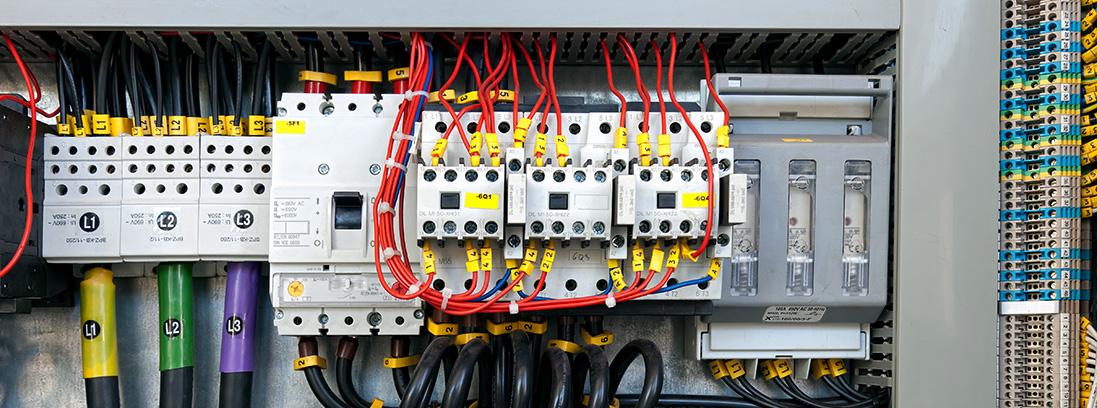
Electrical safety remains a critical concern for every property owner today. Regular inspections help prevent potential hazards and ensure your home operates efficiently. Understanding what electricians examine during these visits helps you prepare adequately.
Understanding the Scope of Electrical Inspections
Professional electricians conduct thorough evaluations of your entire electrical system. These comprehensive assessments identify existing problems and potential future issues. The inspection process typically takes several hours depending on property size.
Licensed professionals follow strict safety codes and industry standards throughout their work. They document every finding and provide detailed reports for your records. This systematic approach ensures nothing gets overlooked during the examination process.
Service Panel and Circuit Breaker Examination
The main electrical panel serves as your home's power distribution center. Electricians carefully inspect this crucial component for signs of wear or damage. They check for proper labeling, appropriate breaker sizes, and correct wire connections.
Corrosion, rust, or burning smells indicate serious problems requiring immediate attention. The inspector verifies that circuit breakers match the wire gauge specifications. Overloaded panels pose significant fire risks that professionals identify and address.
Double-tapped breakers represent another common issue found during panel inspections. This occurs when two wires connect to a single breaker terminal. Most breakers cannot safely handle this configuration without special design features.
Wiring Assessment Throughout Your Property
Inspectors examine visible wiring in basements, attics, and accessible wall areas. They look for outdated materials like aluminum wiring or knob-and-tube systems. These older installations may not meet current safety standards or codes.
Frayed insulation, exposed conductors, and improper splicing all raise red flags. The electrician checks that wires have adequate support and proper protection. Junction boxes must remain accessible and contain appropriate wire connections inside.
Ground fault circuit interrupters require testing in bathrooms, kitchens, and outdoor areas. These safety devices prevent electrical shock in wet or damp locations. Proper installation and functionality of GFCIs can literally save lives daily.
Outlet and Switch Functionality Testing
Every outlet undergoes testing to ensure proper grounding and correct polarity. Reversed polarity creates shock hazards that aren't immediately obvious to homeowners. Three-prong outlets must have genuine grounding, not just cosmetic upgrades.
Warm or discolored outlets indicate loose connections or excessive electrical resistance. These conditions can lead to electrical fires if left unaddressed over time. The inspector identifies which outlets need repair or complete replacement soon.
Switches receive similar scrutiny to confirm they operate safely and correctly. Dimmer switches must match the fixtures they control for safe operation. Improper switch installations can cause flickering, buzzing, or premature bulb failure.
Grounding System Verification
A proper grounding system protects your home from electrical surges and lightning. Inspectors verify that grounding electrodes meet code requirements for your area. The grounding conductor must maintain continuous connection to the main panel.
Bonding between electrical and plumbing systems prevents dangerous voltage differences from developing. Metal water pipes often serve as supplemental grounding paths when properly bonded. Gas lines require bonding but never serve as grounding electrode conductors.
The inspector tests ground resistance to ensure effective fault current dissipation. Poor grounding compromises your entire electrical system's safety and performance levels. Modern homes need robust grounding systems to protect sensitive electronic equipment.
AFCI and Safety Device Inspection
Arc fault circuit interrupters detect dangerous electrical arcing in home circuits. These devices have become code requirements in bedrooms and living spaces. Inspectors test AFCIs to confirm they trip appropriately when detecting arcs.
Smoke detectors with electrical connections receive testing during comprehensive electrical inspections. Proper placement and functionality of these devices provides essential fire protection. Interconnected detectors ensure all units sound when one device activates.
Carbon monoxide detectors near sleeping areas and fuel-burning appliances need verification. These safety devices prevent deadly gas poisoning that claims lives annually. Battery backup ensures detectors function even during complete power outages.
Exterior Electrical Component Review
Outdoor lighting fixtures require weatherproof housings and proper sealing against moisture intrusion. Inspectors check that exterior outlets have appropriate covers for weather protection. GFCI protection remains mandatory for all outdoor electrical receptacles and circuits.
Service entrance cables and weatherheads undergo visual inspection for damage or deterioration. The connection point where utility lines attach needs secure mounting hardware. Proper clearances from windows, doors, and walkways ensure safety compliance.
Landscape lighting systems receive evaluation for correct transformer sizing and installation methods. Buried cables must have appropriate depth and protective conduit where required. Low voltage systems still require proper installation to prevent failures or hazards.
Identifying Code Violations and Upgrades
Building codes evolve constantly to incorporate improved safety standards and technologies. Older homes often contain installations that were legal when originally installed. Inspectors note these grandfathered conditions and recommend modern safety upgrades accordingly.
Permit history review helps identify whether previous electrical work received proper inspections. Unpermitted modifications may contain dangerous errors that compromise your safety significantly. Professional electricians document these concerns in their comprehensive inspection reports thoroughly.
Sometimes situations arise where you need an emergency electrician for urgent repairs. However, scheduled inspections help prevent many crisis situations from developing unexpectedly. Proactive maintenance always costs less than reactive emergency service calls later.
Load Calculation and Capacity Assessment
Modern homes use far more electricity than structures built decades ago. Inspectors evaluate whether your electrical service meets current and future demands. Undersized services cause frequent breaker trips and limit appliance installation options.
The electrician calculates total connected load including major appliances and equipment. They compare this demand against your service panel's rated capacity limits. Recommendations for service upgrades come when existing capacity proves insufficient moving forward.
Dedicated circuits for heavy-draw appliances receive verification during load assessments too. Refrigerators, microwaves, and washing machines often need their own protected circuits. Sharing circuits causes nuisance tripping and potential equipment damage over extended periods.
Final Inspection Report and Recommendations
Professional electricians provide detailed written reports documenting all inspection findings comprehensively. These reports categorize issues by severity from immediate hazards to minor concerns. Clear explanations help property owners understand the significance of each finding.
Priority recommendations guide you toward addressing the most critical safety issues first. Cost estimates for repairs help you budget for necessary electrical improvements. The report serves as a valuable reference for future maintenance planning.
Regular electrical inspections protect your investment and ensure family safety daily. Schedule professional evaluations every few years or when purchasing property. This proactive approach prevents costly repairs and provides invaluable peace of mind.

 English
 Arabic
 French
 Spanish
 Portuguese
 Deutsch
 Turkish
 Dutch
Dutch
 Italiano
 Russian
 Romaian
 Portuguese (Brazil)