


Inspecting Fire Alarm Cable and Systems: A High Level Overview
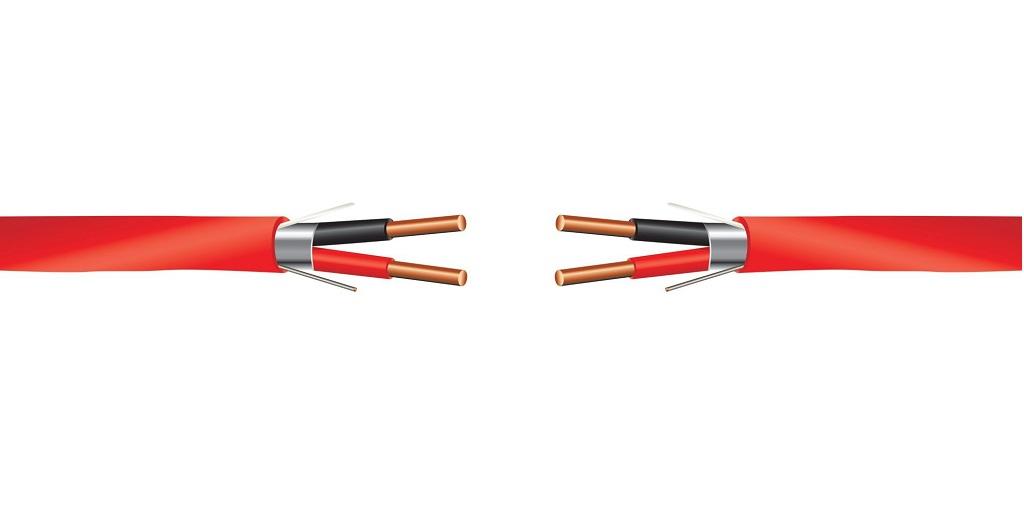
Even though fire alarm systems must be installed in accordance with law and applicable regulations, their presence in public buildings, and their operability, is not just a matter of compliance with code; it is a matter of public safety.
Consequently, it is necessary to periodically inspect the fire alarm system, inclusive of the alarms and cables, as well as to test the system for functionality and responsiveness. Here’s a high level look into the basic process.
Why Inspect Fire Alarm Cable and Systems?
Verifying the functionality of a fire alarm system requires conducting a thorough, in-depth analysis of the system and its components.
Doing so ensures that the system is functioning as intended according to a predetermined schedule, as frequently as weekly, and often requires the involvement of a certified third-party inspector.
Conducting these investigations will also help you catch issues early so that they can be rectified before they become a much bigger matter of legal compliance of a public safety risk.
How to Do It/What to Look for
An inspection of a fire alarm system involves a multiple-step process. Generally, these are the following aspects of a comprehensive inspection:
- Visual inspection: A visual inspection of a fire alarm system requires a qualified professional physically and visually assessing the fire alarm system, including the fire alarm cable, connections, and nodes on the system. During the visual inspection the inspector will look for signs of tampering, wear, or other damage, and ensure that all cables are properly connected to their requisite components (alarms, switches, etc.). If necessary, during the visual inspection the inspector will clean any components that are obstructed, dusty, or dirty. This component of the inspection will also require a comprehensive checklist to ensure that no elements or parts of the system are overlooked.
- Function test: After the visual inspection of the fire alarm cables and system has been completed, the inspector will need to execute a function check to ensure that the alarm system works as intended. This involves reviewing a system manual or map to ensure that all components are properly accounted for, and then activating each of them in sequence to ensure that they are operational, as intended. Heat and smoke may be simulated in order to test or activate each of the components of the system. Beforehand, it is critical to inform those nearby that a test will be performed so as not to cause confusion or alarm.
- Control panel inspection: The control panel is the heart of any fire alarm system and is the center from which the entire system is coordinated and controlled. As a result, this part of the system should also be inspected and evaluated. During the inspection, the inspector should ensure that all governing software is up to date, that all fire alarm cable and connectors are properly installed and not damaged, and that the control panel is functioning as intended, with no error codes or warning messages present that must be addressed.
- Battery inspection: Since most fire alarm systems are regulated/backed up by a battery system, the system must also be checked for operability during the inspection. The battery should be charged, if necessary, its terminals cleaned, connections inspected, and if the battery health is flagging, the battery should be replaced.
- Reporting: After the inspection has been satisfactorily concluded, a report should be completed according to all company, building, and legal protocols. The reporting should also follow a standardized procedure, and all reports should be logged and reviewed accordingly.
Here for Quality Fire Alarm Cable
From a high level, this post illustrates the basic procedure for inspecting a fire alarm system, which naturally may be simpler or more involved in accordance with the complexity of the alarm system and installation, as well as the size of the system.
That being the case, in the event that you are here for high-quality fire alarm cable, visit EWCS Wire first. They carry a wide range of specialty electrical cable, including instrumentation and alarm cable, and their customer service team can help you find what you’re looking for if you have any questions.
For more information about Awg Marine Battery Cable and Welding Cable Supply Please visit: Electrical Wire & Cable Specialists.

 English
 Arabic
 French
 Spanish
 Portuguese
 Deutsch
 Turkish
 Dutch
Dutch
 Italiano
 Russian
 Romaian
 Greek
Greek