


How Pom Pulleys Are Revolutionizing The Manufacturing Industry
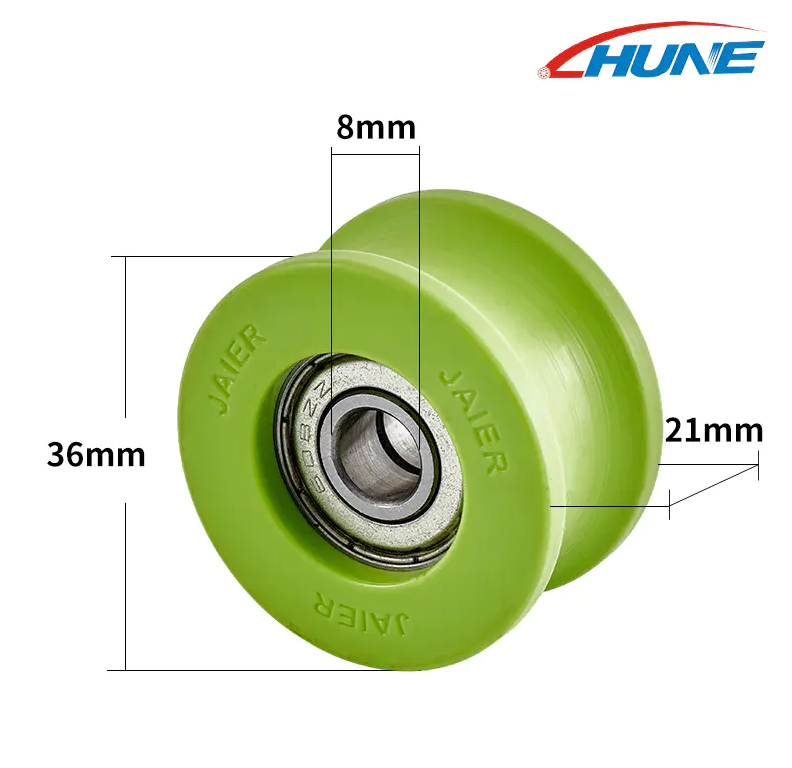
In modern manufacturing, efficiency, durability, and precision are key to optimizing operations. Polyoxymethylene (POM) pulleys, also known as acetal or Delrin, are increasingly becoming the material of choice for pulleys in various industrial applications. This article explores how POM pulleys are revolutionizing the manufacturing industry by offering improved performance, reduced maintenance, and enhanced operational efficiency.
Introduction to POM (Polyoxymethylene), Also Known as Acetal or Delrin, and Its Properties
Polyoxymethylene (POM) is a high-performance engineering thermoplastic known for its excellent mechanical properties, including high strength, stiffness, and dimensional stability. POM is also called acetal or Delrin, the latter being a brand name for a specific type of acetal polymer developed by DuPont. POM is highly resistant to wear, abrasion, and chemical exposure, making it an ideal choice for applications that require both durability and precision.
Key properties of POM include:
Low friction: POM has a very low coefficient of friction, which helps reduce wear and tear in mechanical systems.
High strength and stiffness: POM is known for its outstanding tensile strength, making it ideal for applications that demand high load-bearing capacity.
Chemical resistance: It is resistant to a wide range of chemicals, oils, and solvents, ensuring longevity even in harsh industrial environments.
Thermal stability: POM maintains its integrity and performance even at elevated temperatures, making it suitable for high-temperature applications.
Brief History of POM and Its Evolution in Manufacturing Applications
The development of POM dates back to the 1950s when it was first synthesized by DuPont under the trade name Delrin. Since then, it has become a crucial material in engineering, particularly in applications that require high precision and durability. Initially, POM was widely used in the automotive and aerospace industries for its lightweight and high-strength properties. Over the years, its use expanded to various sectors, including manufacturing, electronics, and medical devices.
In the manufacturing sector, POM pulleys have become increasingly popular due to their performance advantages over traditional materials such as metals and rubber. As industries have moved toward automation and increased precision, the demand for materials like POM, which offer low friction, high strength, and chemical resistance, has risen dramatically.
Importance of Pulleys in Manufacturing
Role of Pulleys in Machinery and Manufacturing Systems
Pulleys are essential mechanical components used to transfer rotational motion and power between shafts or axles. They are used extensively in various manufacturing systems, including conveyors, automated machinery, and material handling systems. Pulleys facilitate smooth movement by reducing friction between moving parts, and their ability to transmit force efficiently makes them integral to the functioning of a wide range of industrial equipment.
Significance of Material Choices in Pulley Design
The material chosen for a pulley has a significant impact on its performance, longevity, and overall efficiency. Pulleys made from durable materials like POM ensure lower wear rates, reduced maintenance, and extended life cycles. For example, POM pulleys are often preferred in systems where traditional steel or aluminum pulleys would wear out too quickly due to friction, heat, and chemical exposure.
What Are POM Pulleys?
Definition of POM Pulleys
POM pulleys are pulleys made from Polyoxymethylene (POM), a high-performance plastic known for its superior mechanical properties. These pulleys are engineered to provide smooth, low-friction operation in a variety of industrial applications. POM pulleys are commonly used in machinery where precise movement, durability, and low maintenance are required.
Description of Pulleys Made from Polyoxymethylene (POM) and Their Design
POM pulleys are designed with the same basic structure as traditional pulleys: a central hub, a groove to accommodate belts or ropes, and bearings for smooth rotation. The key difference is that POM’s material properties allow for greater efficiency in energy transfer and less wear over time. POM pulleys are particularly useful in systems where precision and longevity are essential.
Key Features of POM Pulleys:
Lightweight: POM is significantly lighter than metals, which reduces the overall weight of machinery and enhances the efficiency of moving parts.
Low Friction: POM’s inherent low friction properties reduce the energy required to move the system and minimize the need for lubrication.
High Strength: POM pulleys offer high tensile strength, making them suitable for heavy-duty applications without the risk of deformation.
Comparison with Other Materials (e.g., Metal, Plastic)
When compared to other materials like metal, rubber, and traditional plastics, POM offers several advantages that make it the material of choice for many industrial pulleys.
POM vs. Metal: While metal pulleys (typically made from steel or aluminum) are strong, they suffer from higher friction, require lubrication, and are prone to corrosion over time. POM pulleys, on the other hand, provide low friction, are self-lubricating, and do not corrode, making them more reliable and cost-effective in the long run.
POM vs. Rubber: Rubber pulleys, although flexible, can wear out quickly under heavy load and high-speed conditions. POM pulleys, being much stronger and more wear-resistant, can handle higher loads and last longer in demanding environments.
POM vs. Other Plastics: Compared to other plastics like nylon or polyethylene, POM stands out due to its higher mechanical strength, stiffness, and superior resistance to wear and chemical exposure, making it more suitable for high-performance pulley systems.
Basic Structure of POM Pulleys
The design of POM pulleys generally consists of the following components:
Hub: The central component of the pulley, where it connects to the shaft or axle.
Groove: A V-shaped or flat groove that accommodates the belt or rope, ensuring proper alignment and tension.
Bearings: The bearing system is crucial for smooth rotation. POM pulleys often feature high-quality ball bearings or roller bearings, further reducing friction and wear.
Tread Surface: The outer surface of the pulley that comes in contact with the belt, designed to minimize wear and ensure efficient power transmission.
Advantages of POM Pulleys in Manufacturing
POM pulleys offer numerous benefits that enhance manufacturing processes:
Low Maintenance: Due to their low friction and self-lubricating properties, POM pulleys require minimal maintenance, reducing operational costs.
Energy Efficiency: The reduced friction in POM pulleys leads to lower energy consumption in machinery, enhancing overall system efficiency.
Longer Lifespan: POM’s resistance to wear and tear results in longer-lasting pulleys, reducing the frequency of replacements and downtime.
Chemical and Corrosion Resistance: POM pulleys are resistant to a wide range of chemicals and corrosive environments, making them ideal for use in industries such as food processing, pharmaceuticals, and chemicals.
Key Applications of POM Pulleys in the Manufacturing Industry
POM pulleys are used in various applications across different sectors, including:
Automated Systems: POM pulleys ensure smooth and efficient movement in robotic arms, conveyor systems, and assembly lines.
Material Handling: Used in trolleys, carts, and hoisting systems, POM pulleys help move materials efficiently and safely.
Packaging Machinery: POM pulleys reduce friction and increase the speed of packaging machines, improving productivity in industries like food and pharmaceuticals.
Textile and Paper Manufacturing: Their ability to handle heavy loads while maintaining low friction makes POM pulleys ideal for textile looms and paper machines.
How POM Pulleys Improve Manufacturing Efficiency
POM pulleys contribute to greater manufacturing efficiency in the following ways:
Reduced Downtime: The durability and reliability of POM pulleys minimize the risk of system failures and costly downtime.
Higher Throughput: POM pulleys enable smoother operation, reducing friction and improving the speed of automated processes.
Lower Operational Costs: Reduced maintenance, energy consumption, and longer pulley lifespans lead to cost savings for manufacturers.
The Role of Huaneng in the Development of POM Pulley Technology
Zhejiang Huaneng Micro Bearing Co., Ltd. has played a pivotal role in the development and manufacturing of high-quality POM pulleys. Huaneng’s expertise in precision engineering and commitment to innovation have made it a leader in producing POM pulleys that meet the diverse needs of the manufacturing industry.
Research and Development: Huaneng's continuous investment in R&D has resulted in the development of advanced POM pulley systems that offer improved performance and efficiency.
Customization: Huaneng provides customized pulley solutions tailored to the specific needs of clients in industries like automation, material handling, and packaging.
Global Reach: With a strong global presence, Huaneng ensures reliable supply and support for manufacturers worldwide.
POM pulleys are transforming the manufacturing industry by offering exceptional durability, low friction, and high efficiency. Their ability to reduce maintenance, improve energy efficiency, and extend the lifespan of machinery makes them a crucial component in modern industrial systems. https://www.hunepulley.com/ continues to lead the way in producing high-quality POM pulleys, helping manufacturers enhance their operations and stay competitive in the global marketplace.

 Arabic
 French
 Spanish
 Portuguese
 Deutsch
 Turkish
 Dutch
Dutch
 Italiano
 Russian
 Romaian
 Portuguese (Brazil)
 Greek
Greek