


Drive-In Pallet Racking Installation and Safety Guide
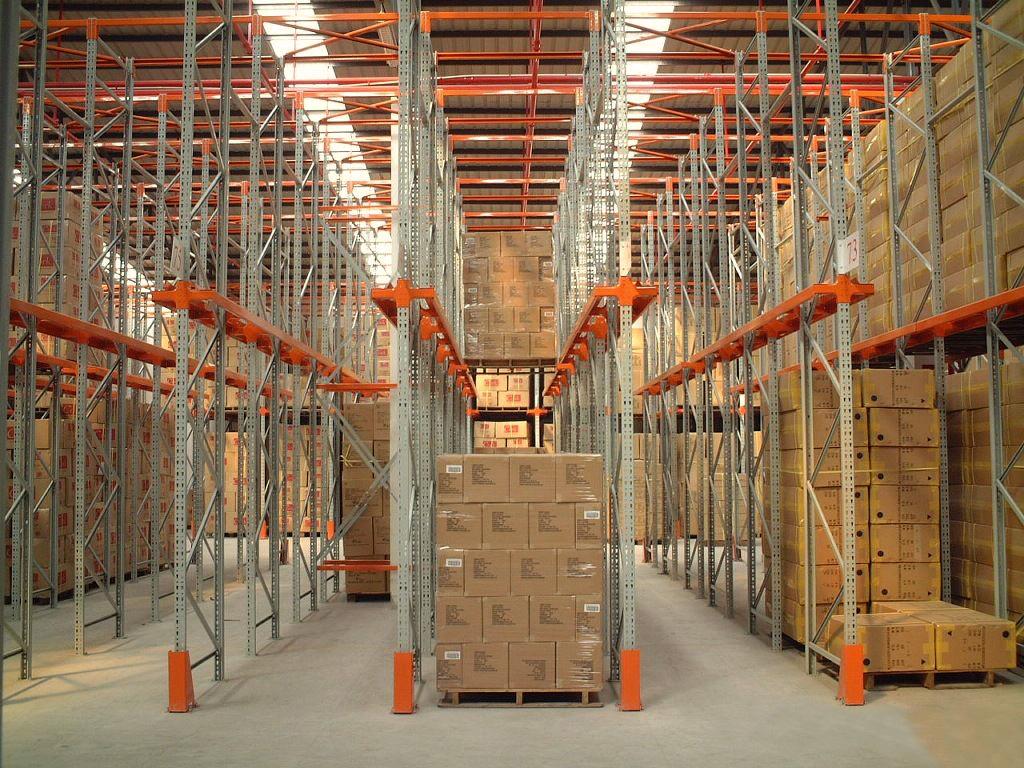
Drive-in pallet racking is a popular warehouse storage system designed for high-density storage. It helps businesses maximize space by reducing aisle requirements and storing pallets deep within the racking structure. However, proper installation and strict safety practices are essential to ensure smooth operations and prevent accidents. This guide explains the key steps for drive-in pallet racking installation and the most important safety guidelines to follow.
Understanding Drive-In Pallet Racking
Drive-in pallet racking allows forklifts to enter the racking lanes to load and unload pallets. Pallets are stored on support rails instead of beams and follow a Last-In, First-Out (LIFO) system. This system is ideal for warehouses storing large volumes of similar products, such as cold storage facilities and bulk inventory warehouses.
Planning Before Installation
Proper planning is the first step in a successful drive-in pallet racking installation. Warehouse managers should assess the available floor space, ceiling height, pallet sizes, and load weights. Forklift type and turning radius should also be considered to ensure smooth movement inside the racking lanes.
A professional site survey helps identify potential challenges and ensures the racking system meets storage and safety requirements.
Professional Installation Is Essential
Drive-in pallet racking should always be installed by trained professionals. Precise alignment is critical, as forklifts operate inside the racking structure. Upright frames, guide rails, and pallet support rails must be positioned accurately to avoid damage during operation.
Anchoring the uprights securely to the floor ensures stability and prevents movement under heavy loads. Incorrect installation can lead to rack failure and safety hazards.
Importance of Floor Quality
The warehouse floor must be strong, level, and capable of supporting heavy loads. Uneven or weak flooring can cause instability and increase the risk of accidents. Before installation, the floor should be inspected and repaired if necessary.
A solid floor foundation improves racking performance and ensures long-term safety.
Key Safety Features to Include
Safety features play a vital role in drive-in pallet racking systems. Guide rails help forklift operators enter and exit racking lanes safely. Rack protectors and column guards protect uprights from accidental impact.
Load limit signage should be clearly displayed to prevent overloading. Proper lighting inside racking lanes also improves visibility and reduces operator errors.
Forklift Operator Training
Since forklifts drive directly into the racking structure, operator skill is crucial. Forklift drivers should be trained specifically for drive-in pallet racking operations. They must understand safe entry angles, correct pallet placement, and proper exit techniques.
Well-trained operators reduce rack damage and ensure safe, efficient pallet handling.
Regular Inspections and Maintenance
Routine inspections are essential to maintain safety. Warehouse staff should regularly check for bent uprights, damaged rails, loose anchors, and worn safety components. Any damage should be repaired immediately to prevent further risks.
Scheduled maintenance helps extend the life of the racking system and ensures compliance with safety standards.
Load Management and Pallet Quality
Using damaged or low-quality pallets increases the risk of collapse. Only pallets in good condition and within the recommended weight limits should be stored. Loads should be evenly distributed on the pallet to maintain balance.
Proper load management prevents stress on the racking structure and improves overall system safety.
Emergency Procedures and Clear Signage
Clear signage indicating load capacity, forklift routes, and safety instructions should be visible throughout the warehouse. Emergency procedures should be communicated to all staff.
In case of an incident, quick action and proper training can minimize damage and protect workers.
Conclusion
Drive-in pallet racking is an excellent solution for high-density warehouse storage, but it requires careful installation and strict safety practices. Professional installation, trained operators, regular inspections, and proper load management are key to safe operations.
By following this installation and safety guide, warehouses can maximize space, improve efficiency, and maintain a safe working environment.

 English
 French
 Spanish
 Portuguese
 Deutsch
 Turkish
 Dutch
Dutch
 Italiano
 Russian
 Romaian
 Portuguese (Brazil)
 Greek
Greek