


Sensory Therapy: Enhancing Development, Focus, and Emotional Well-Being
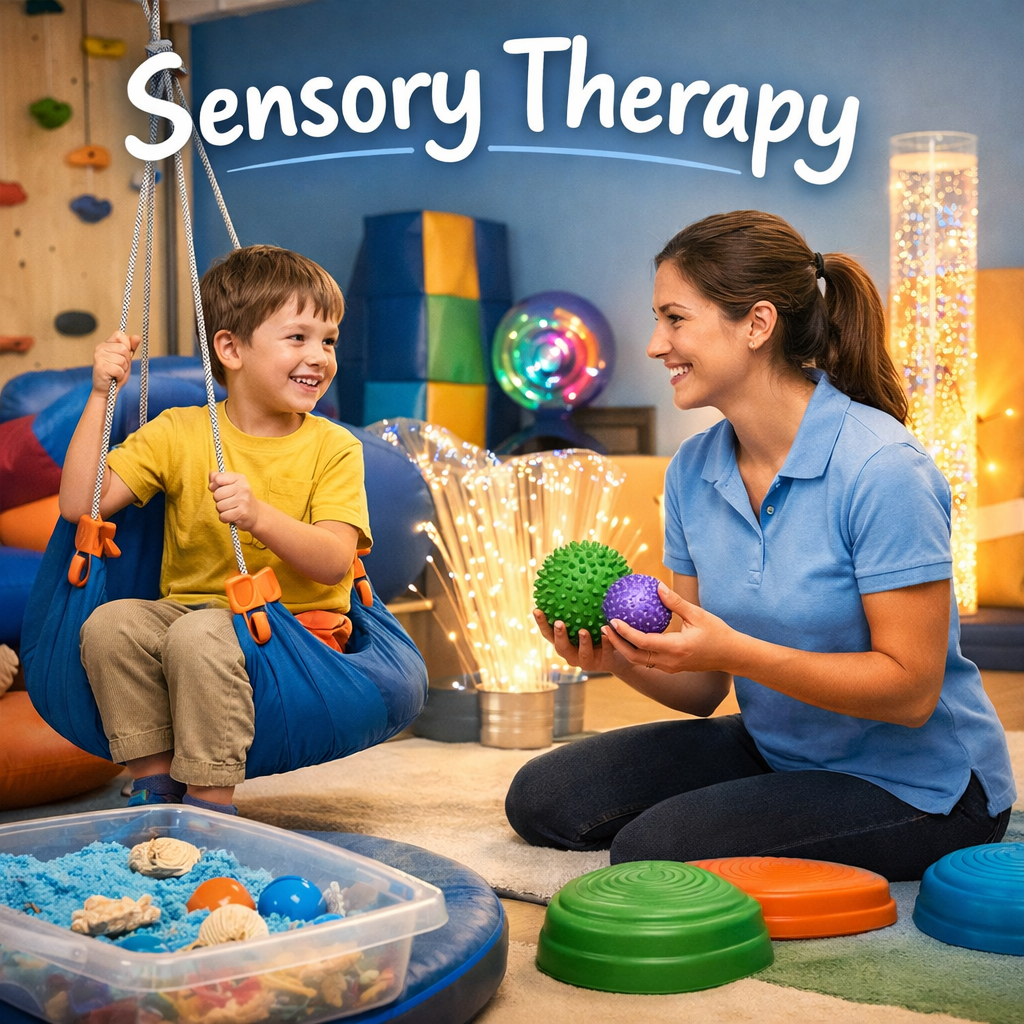
Sensory therapy, also known as sensory integration therapy, is a specialized therapeutic approach designed to help individuals process and respond to sensory information more effectively. It is widely used for children and adults who experience sensory processing challenges, including those with autism spectrum disorder (ASD), ADHD, developmental delays, learning difficulties, and anxiety-related conditions.
By engaging the senses in a structured and supportive environment, sensory therapy promotes improved motor skills, emotional regulation, attention, and daily functioning.
What Is Sensory Therapy?
Sensory therapy focuses on how the brain interprets information received through the senses—touch, sight, sound, smell, taste, movement (vestibular), and body awareness (proprioception). When sensory processing is disrupted, individuals may become over-sensitive or under-responsive to sensory input, leading to behavioral, emotional, or coordination difficulties.
A trained therapist uses carefully planned activities to help the nervous system respond to sensory stimuli in a more organized and adaptive way.
Who Can Benefit from Sensory Therapy?
Sensory therapy is beneficial for individuals of all ages, especially those who experience:
-
Autism spectrum disorder (ASD)
-
Sensory processing disorder (SPD)
-
Attention deficit hyperactivity disorder (ADHD)
-
Developmental delays
-
Learning disabilities
-
Anxiety and emotional regulation issues
-
Poor balance, coordination, or motor planning
-
Difficulty with focus, transitions, or social interaction
Early intervention through sensory therapy can significantly improve long-term developmental outcomes.
Common Signs of Sensory Processing Difficulties
Some individuals may benefit from sensory therapy if they show signs such as:
-
Sensitivity to loud sounds, bright lights, or textures
-
Avoidance of touch or excessive craving for movement
-
Difficulty sitting still or focusing
-
Poor coordination or frequent falls
-
Emotional outbursts or anxiety in busy environments
-
Challenges with daily activities like dressing or eating
Identifying these signs early allows for timely therapeutic support.
Key Techniques Used in Sensory Therapy
Sensory therapy sessions are engaging and play-based, designed to feel enjoyable while addressing therapeutic goals. Common techniques include:
1. Tactile Activities
Using textured materials like sand, foam, or soft brushes to improve touch tolerance and awareness.
2. Vestibular Input
Swinging, spinning, or balance exercises to enhance coordination and spatial awareness.
3. Proprioceptive Activities
Pushing, pulling, climbing, or carrying weighted objects to improve body awareness and self-regulation.
4. Visual and Auditory Integration
Activities that help manage sensitivity to light and sound, improving focus and calmness.
Each therapy plan is customized based on individual sensory needs.
Benefits of Sensory Therapy
Consistent sensory therapy can lead to meaningful improvements, including:
-
Better emotional regulation and reduced anxiety
-
Improved attention span and concentration
-
Enhanced motor skills and coordination
-
Increased independence in daily activities
-
Better social interaction and communication
-
Improved classroom or workplace performance
These benefits support overall quality of life for both individuals and families.
Sensory Therapy for Children
For children, sensory therapy plays a vital role in early development. Through structured play, children learn how to interact with their environment confidently and calmly. Therapy sessions often resemble playtime, making them enjoyable while promoting essential developmental skills.
Parents may also receive guidance on home-based sensory activities to reinforce therapy outcomes.
Sensory Therapy for Adults
Adults with sensory challenges may experience difficulties in work environments, social settings, or daily routines. Sensory therapy helps adults manage stress, improve focus, and adapt to sensory triggers, leading to better emotional balance and productivity.
The Role of Occupational Therapists in Sensory Therapy
Sensory therapy is commonly provided by licensed occupational therapists trained in sensory integration techniques. Therapists assess sensory needs, develop personalized treatment plans, and track progress over time to ensure effective results.
Conclusion
Sensory therapy is a powerful, evidence-based approach that helps individuals better understand and respond to the world around them. By improving sensory processing, it supports emotional stability, physical coordination, learning, and independence.
Whether for a child facing developmental challenges or an adult seeking better sensory regulation, sensory therapy can make a lasting positive impact on everyday life.

 English
 Arabic
 French
 Spanish
 Portuguese
 Deutsch
 Turkish
 Dutch
Dutch
 Italiano
 Russian
 Portuguese (Brazil)
 Greek
Greek