


The Complete Guide to Creating a Standout Team Look on the Court
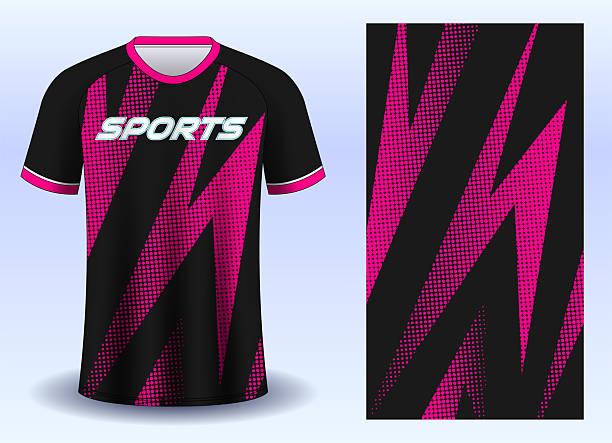
Basketball uniform design plays a powerful role in how a team is seen, remembered, and respected on the court. A well-crafted outfit is more than just clothing; it reflects identity, discipline, and competitive spirit. From fabric selection to color balance and logo placement, every detail contributes to performance and branding. Modern teams now expect apparel that supports movement, manages sweat, and keeps players comfortable under pressure. At the same time, visual appeal remains essential because fans, sponsors, and media all connect with how a team presents itself. This article explores how to build high-quality team apparel with smart design thinking, advanced manufacturing, and cross-sport inspiration—without overcomplicating the process.
The Role of Visual Identity in Team Apparel
A team’s outfit is often the first impression it makes. Before a single point is scored, the colors and layout communicate confidence and unity. Strong visual identity comes from consistency in shades, typography, numbering style, and logo position. Designers today focus on contrast and readability so numbers remain clear from a distance and under arena lighting. Good layout also considers motion, ensuring graphics don’t distort when players run or jump.
Color psychology matters as well. Dark tones often express strength and control, while brighter palettes project speed and energy. The smartest creators don’t just pick trendy colors; they match tones with team personality and competitive goals. When identity and purpose align, apparel becomes a silent motivator.
Performance Fabric and Fit Innovation
Modern sports clothing must support athletic movement without distraction. Stretchable, breathable, and moisture-managing textiles are now standard expectations. Fabric blends are engineered to reduce friction and prevent overheating. Lightweight mesh panels are often added in high-sweat zones to improve ventilation.
Fit also affects performance. Too loose creates drag; too tight restricts motion. Today’s advanced tailoring uses ergonomic cuts that follow the body’s natural lines. Armholes, side seams, and waist shaping are carefully measured to allow explosive movement. Compression layering is sometimes added to support muscles and improve circulation during intense play.
Manufacturing Quality and Production Standards
When teams invest in professional gear, they expect durability and consistency. This is where choosing a trusted Basketball Uniforms Manufacturer becomes essential. Reliable production partners use calibrated printing systems, colorfast dyes, and reinforced stitching methods. They test materials under repeated wash and stretch cycles to ensure long-term performance.
High-end production also includes digital mockups, size grading accuracy, and sample approvals before bulk creation. These steps reduce errors and ensure every player receives a consistent garment. Quality manufacturing is not only about appearance; it directly impacts comfort, lifespan, and athlete confidence.
Customization Trends in Professional Leagues
Personalization has become one of the strongest trends in sports apparel. Teams and clubs now want details that set them apart rather than generic templates. This demand has increased interest in custom nba basketball jerseys that feature unique typography, signature trims, heritage symbols, or city-inspired graphics.
Customization today goes beyond printing names and numbers. It includes sublimation artwork, micro-patterns inside fabric textures, and special collar or side panel treatments. These elements create depth without making apparel look crowded. The key is balance—adding personality while keeping the overall layout clean and readable.
Modern Creative Approaches to Court Apparel
Designers are moving toward layered visual storytelling instead of flat graphics. Texture effects, gradient transitions, and subtle background motifs are increasingly popular in jersey basketball uniform design concepts. These approaches help garments look dynamic even when players are standing still.
Another growing technique is asymmetry. Instead of mirrored side panels, some modern layouts use offset striping or angled color blocking to create motion illusions. When done carefully, this gives apparel a futuristic look without sacrificing clarity. Smart creators also preview designs under different lighting conditions to avoid unexpected color shifts during televised matches.
Cross-Sport Inspiration in Apparel Development
Many creative breakthroughs come from studying other sports categories. For example, pattern placement and fabric durability standards from football gear influence court apparel. The rise of custom soccer uniforms has pushed manufacturers to improve lightweight durability and advanced sublimation printing methods.
Cross-sport learning also helps in fit engineering. Football kits emphasize speed and airflow, which inspires ventilation mapping in other athletic garments. By borrowing successful elements and adapting them, designers create hybrid solutions that raise performance standards across multiple sports.
Authenticity and Material Transparency
Teams and athletes increasingly care about product authenticity and material sourcing. That’s why demand continues to grow for authentic soccer uniforms and similarly certified gear across other sports. Authentic apparel ensures tested materials, verified color stability, and approved branding standards.
Transparency also builds trust with fans and sponsors. When apparel origin, fabric quality, and print methods are clearly documented, organizations feel more confident in their investment. Authentic gear tends to maintain shape and color longer, making it suitable for both competition and official merchandise.
Choosing the Right Production Partner Across Sports
Working with a specialized Soccer Uniforms Manufacturer or multi-sport production company can provide broader technical knowledge. These producers often understand sport-specific stress points, ventilation needs, and durability requirements. Their experience across categories allows them to recommend smarter fabric blends and print techniques.
Multi-discipline manufacturers also tend to invest in better machinery because they serve varied athletic markets. This results in sharper graphics, smoother stitching, and more reliable sizing. A capable production partner doesn’t just make garments—they help refine concepts into high-performance finished products.
The Growing Influence of Sporting Wearing Culture
The line between competition gear and lifestyle apparel continues to blur. Today, sporting wearing culture influences street fashion, fan merchandise, and youth apparel trends. Supporters want clothing that looks professional but feels comfortable enough for daily use. This demand pushes designers to merge performance structure with casual comfort.
As a result, apparel creators now think beyond game day. They consider how garments look in photos, social media, and public events. Breathable fabrics, softer inner linings, and cleaner graphics help sports clothing transition into lifestyle wardrobes without losing athletic credibility.
Sustainability and Future Direction
Eco-conscious production is becoming more important in athletic apparel. Recycled polyester, water-based inks, and reduced-waste cutting methods are increasingly common. Teams now ask about environmental impact alongside performance metrics. Sustainable production doesn’t mean lower quality; in many cases, recycled fibers now match or exceed traditional durability.
Future innovation will likely focus on smart textiles that regulate temperature and monitor movement. Embedded stretch sensors, adaptive ventilation zones, and biodegradable performance fibers are already under development. The next generation of team apparel will combine technology, sustainability, and personalization in one unified approach.
Conclusion
Creating high-impact team apparel requires thoughtful planning, advanced materials, and reliable production support. From identity and fit to customization and sustainability, every layer of development contributes to athlete confidence and brand visibility. Whether it’s Sporting Wearing for training sessions or competitive matches, when design strategy and manufacturing quality come together, the result is apparel that performs as strongly as it looks. For teams seeking dependable craftsmanship and modern performance standards, brands like Xsportswears are helping shape the next generation of professional athletic gear.
FAQs
How long does it usually take to produce a full team apparel set?
Production time varies based on customization level and order size, but most professional orders are completed within a few weeks after design approval and size confirmation.
Which fabric features matter most for high-intensity games?
Breathability, moisture control, stretch recovery, and lightweight durability are the most important performance factors in competitive play.
Can one design approach work across multiple sports?
Yes, core visual identity can stay consistent, but fabric structure and fit should be adapted for each sport’s movement and stress patterns.

 English
 Arabic
 French
 Spanish
 Portuguese
 Deutsch
 Turkish
 Italiano
 Russian
 Romaian
 Portuguese (Brazil)
 Greek
Greek